The Puzzle Knights
Young Knights Learn to Think Together
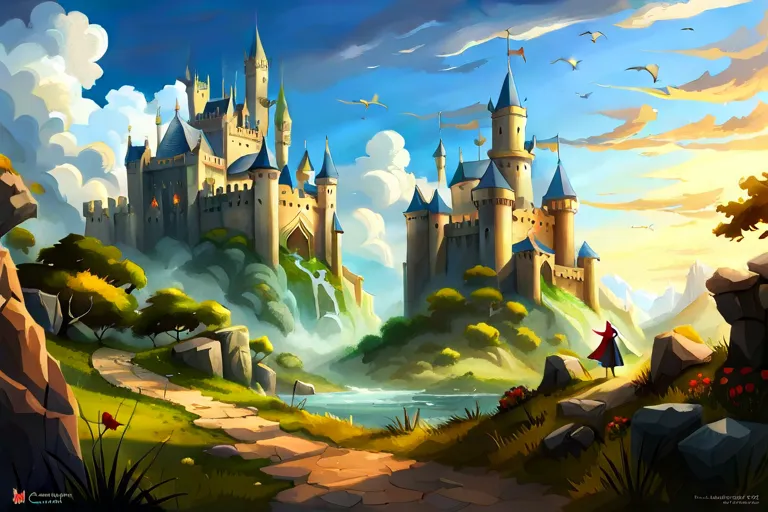
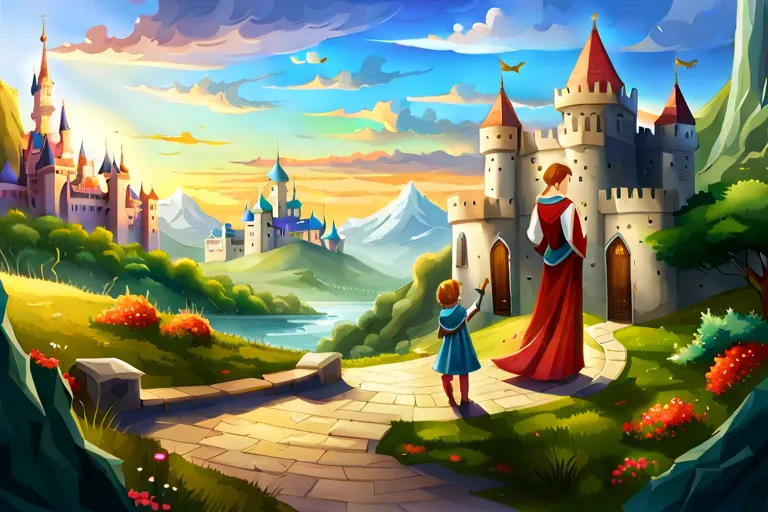
In Camelot, young knights-in-training visit a castle learning wing where each classroom opens with a puzzle. With their teacher nearby, they solve map symbols, riddles, number patterns, and history questions while learning how to think together.
The Puzzle Door
In Camelot’s castle, the learning wing had four oak doors. Each door opened only when students solved the puzzle on its brass plate.
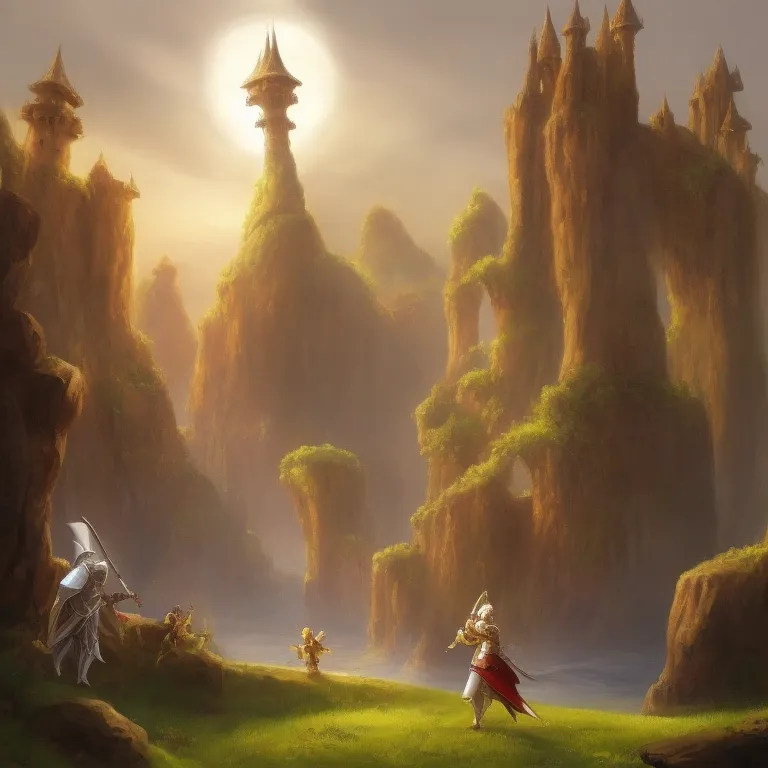
Sir Ada, their teacher, stood beside the first door. “No guessing wildly,” she said. “Look for patterns.”
The young knights studied the symbols. One looked like a mountain. One looked like waves. One looked like a desert sun.
“Map clues,” said Tessa.
“Geography door,” said Rowan.
They matched each symbol to a place on the wall map. Click. The door opened into a room of globes, maps, and travel journals.
Riddle Me This
The second door held a riddle.
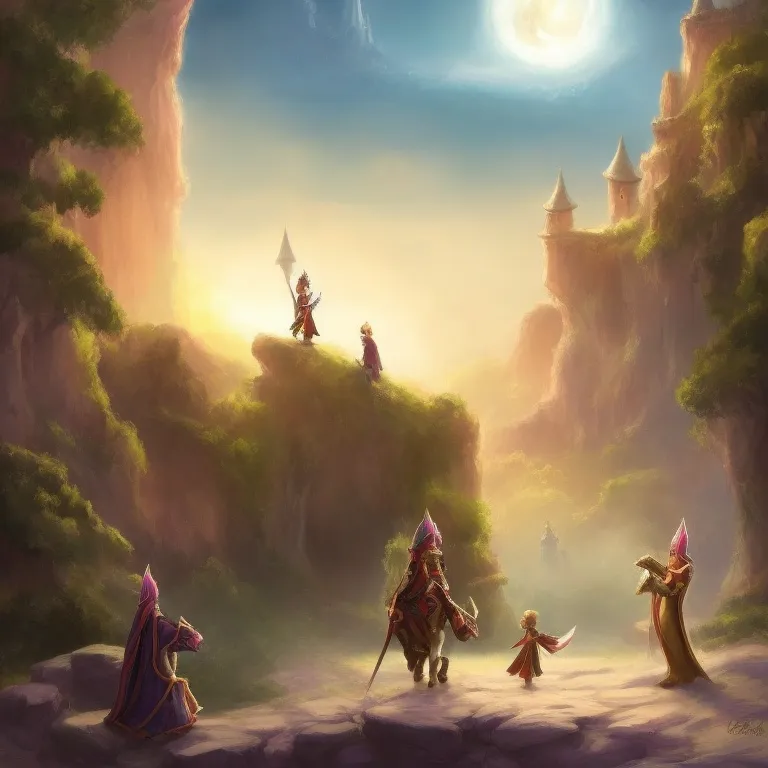
“I am not alive, but I grow. I need air, but I have no lungs. Water can stop me. What am I?”
“Fire,” said Tessa.
“And where does fire belong?” asked Sir Ada.
“In a hearth with a grown-up nearby,” said Rowan.
Click. The door opened into the literature room, where stories waited on low shelves.
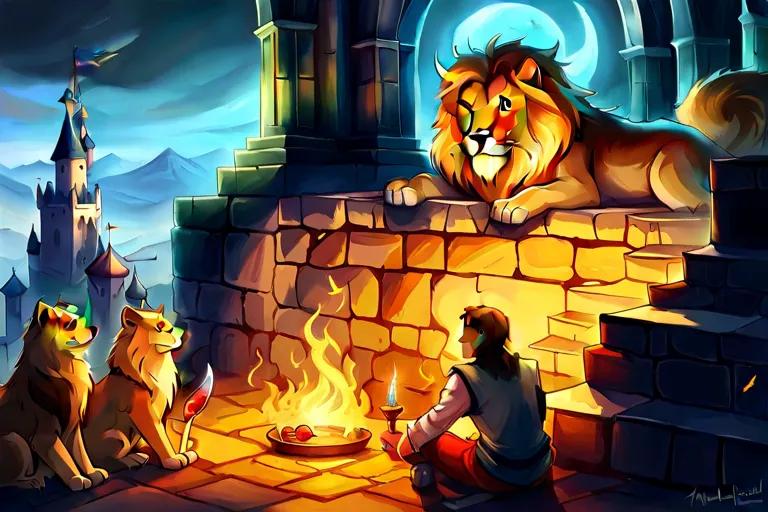
They read fables, poems, and tales of clever choices. Then they wrote their own riddle about a candle.
Counting Challenge
The third door was covered in carved shapes: seeds, apples, stones, and shields.
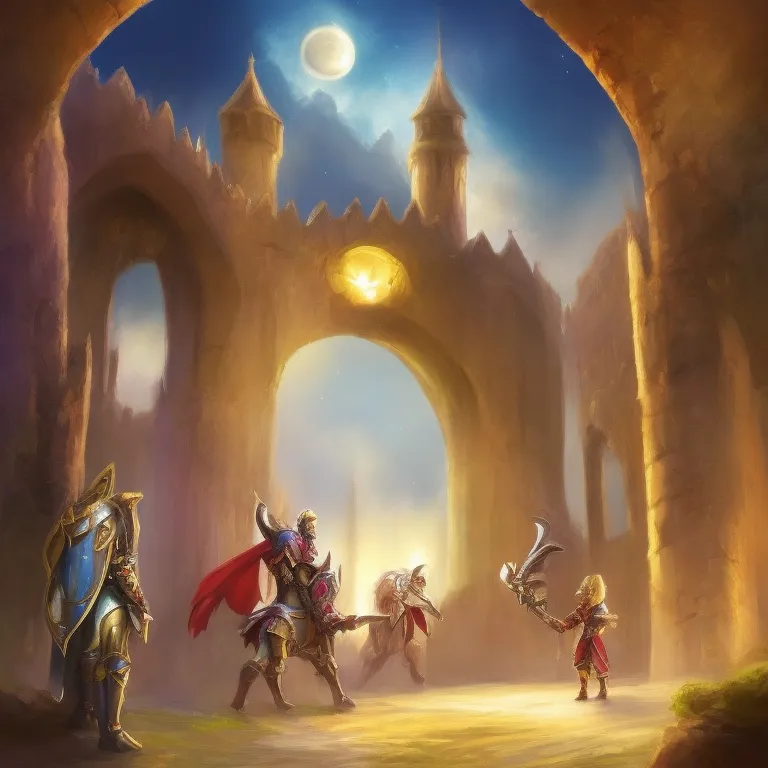
“A counting challenge,” said Rowan. “Easy.”
Sir Ada raised one eyebrow. “Then explain your answer before you touch the latch.”
The knights counted, sorted, and compared. Ten seeds were many, but still smaller than one apple. Three stones weighed more than three feathers.
“Number is not the only thing to notice,” said Tessa.
Click. The math room opened.
Inside were measuring ropes, balance scales, pattern tiles, and counting games.
“You are getting more than answers,” Sir Ada said. “You are getting reasons.”
The History Question
The final door was not locked. It had a question painted across it:
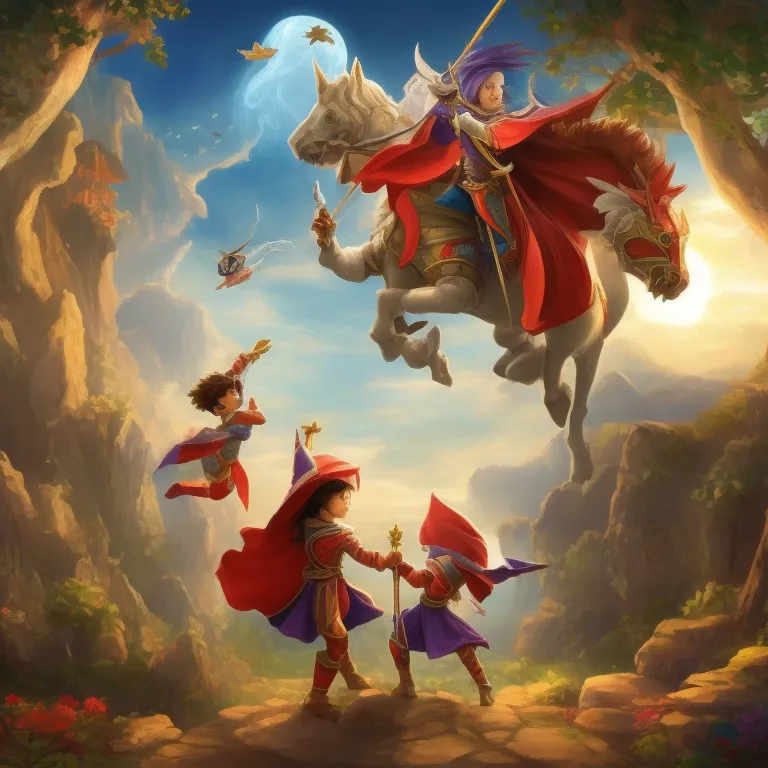
“What should Camelot remember?”
The knights expected dates. Instead, Sir Ada gave each of them a small card.
“Write one event, one person, or one choice that matters,” she said.
Rowan wrote about the day the castle well was repaired, because clean water helped everyone.
Tessa wrote about the queen who opened the library to village children.
Malik wrote about a peace treaty signed after both sides listened.
When they read their cards aloud, the door opened into the history room.
“History is not only dates,” said Sir Ada. “It is what people choose to keep and learn from.”
The Knights Who Kept Learning
After the four doors, the young knights did not know everything. They knew something better: how to keep learning.
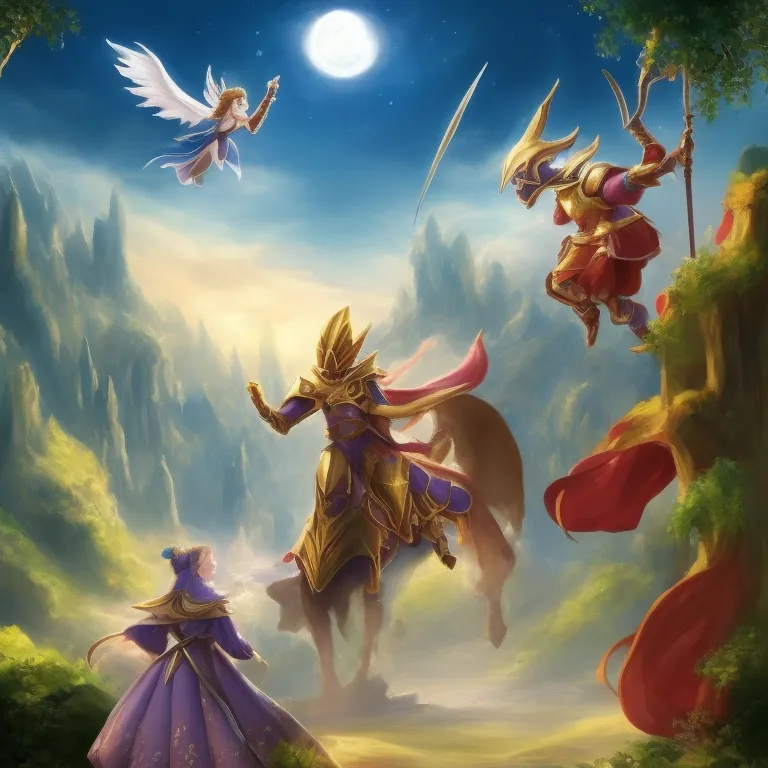
They returned to the first hallway and looked at the doors again.
“Can we try new puzzles tomorrow?” asked Tessa.
“Yes,” said Sir Ada. “A good castle always has more questions.”
Rowan touched the geography door gently. “And we have better questions now.”
That made Sir Ada smile more than any perfect answer.