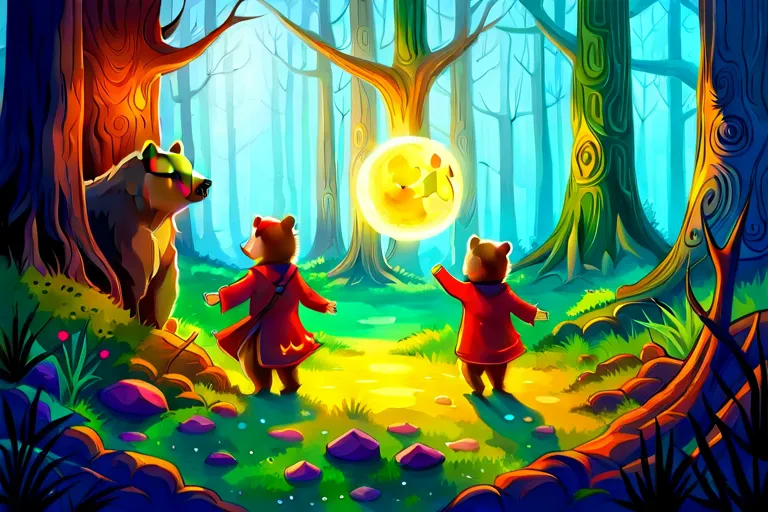
Leo's Language Adventure
Leo loves traveling with the circus, but new towns can feel confusing when he does not know the local words. His friends help him build a word board, make mistakes kindly, and welcome others who are learning too.
Welcome to our collection of empathy stories specially designed for toddlers ages 1 to 3. These gentle, engaging tales introduce your little ones to the fundamental concept of understanding and caring about how others feel. At this crucial developmental stage, toddlers are just beginning to recognize that other people have feelings too, and our carefully crafted stories provide the perfect foundation for this important social-emotional skill. Each story in this collection features simple language, repetitive phrases, and relatable situations that resonate with toddler experiences. Whether it's a bunny who shares a hug with a sad friend or a puppy who notices someone needs help, these narratives present empathy in concrete, age-appropriate ways that very young children can grasp.
The stories use colorful, expressive characters and familiar settings like playgrounds, homes, and parks to help toddlers connect the lessons to their own lives. What makes these empathy stories particularly special for the toddler age group is their focus on emotional recognition and basic caring actions. Rather than complex moral dilemmas, these tales emphasize identifying feelings through facial expressions, body language, and simple situations. They encourage natural responses like offering a toy to a crying friend or giving a gentle pat to someone who fell down. Parents and caregivers will find these stories ideal for lap reading, bedtime routines, or calming moments throughout the day.
The short length and rhythmic text hold toddler attention while the emotional themes open opportunities for meaningful conversations. Teachers in toddler programs can use these stories during circle time to foster classroom compassion and help little ones navigate early peer interactions. By regularly sharing these empathy stories, you are planting essential seeds of kindness and emotional intelligence that will grow throughout your child's life.
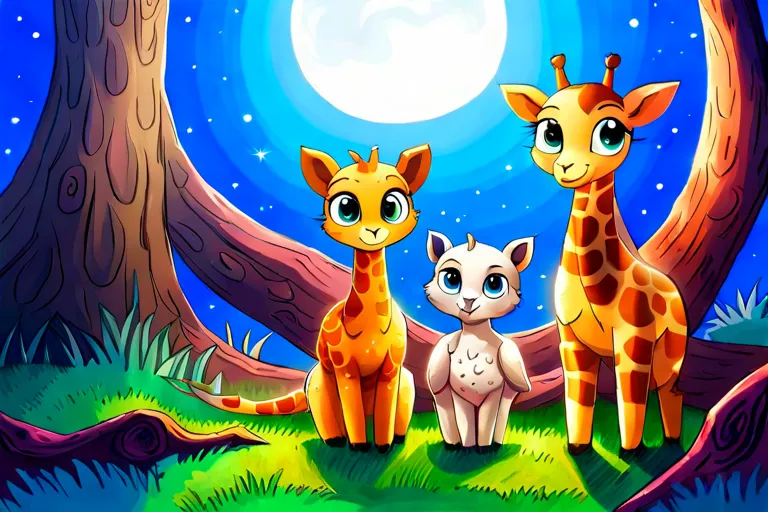
Gigi loves to dance, but she freezes when anyone watches. With help from Ollie the owl and Pippa the gazelle, she practices with one kind audience member at a time until she is ready to share a sunset dance.
Leo loves traveling with the circus, but new towns can feel confusing when he does not know the local words. His friends help him build a word board, make mistakes kindly, and welcome others who are learning too.
Lila is practicing with her acrobat troupe when she notices a hungry little monkey near the circus fence. Instead of treating him like a prop or a trick, Lila asks for help, gives him space, and learns how to respect a wild visitor with patience.
A new clown named Niko joins the circus with blue face paint, green hair, and a quiet way of being funny. At first the other clowns do not understand his style, but a prop mix-up helps them see that different kinds of humor can make the same show stronger.
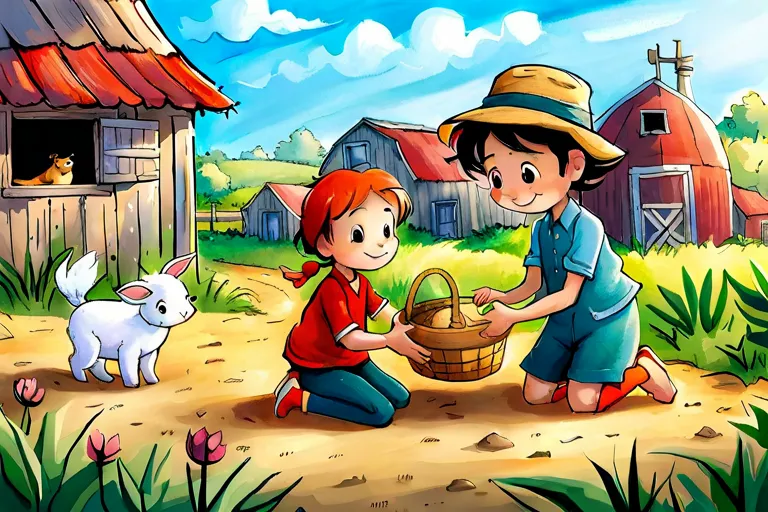
Lenny loves helping on his family's farm, especially near Betsy the cow. When Dad gives him a small supervised barn job, Lenny learns that good animal care means following a checklist, asking adults for help, and noticing what Betsy needs.
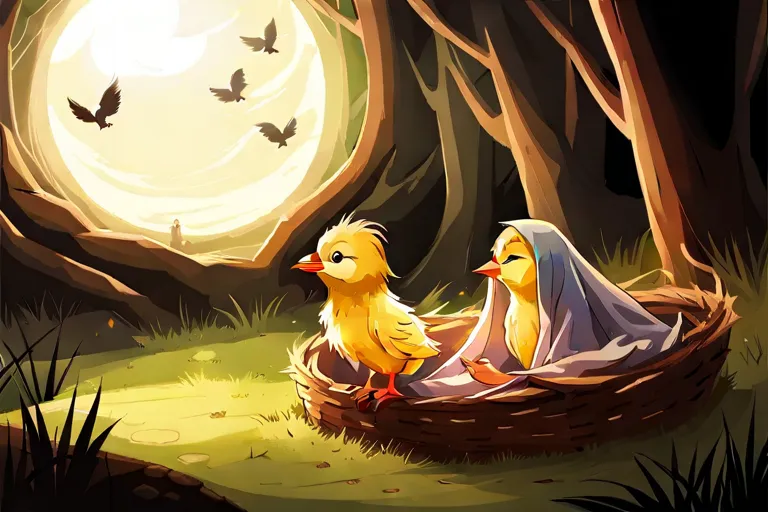
Peep wakes from a nap and cannot see Mama Hen. Instead of wandering far, she stays near the coop and asks nearby farm friends for help.
Tiny Carl the caterpillar feels left out because he is smaller than the other garden insects. When he helps an ant with a heavy leaf, he discovers that a kind heart can be one of the strongest gifts of all.
Lucy the ladybug notices that her favorite heart-shaped spot is missing. With help from ants, bees, flowers, and a careful spider, she learns that asking for help can turn a worrying morning into a friendly forest search.
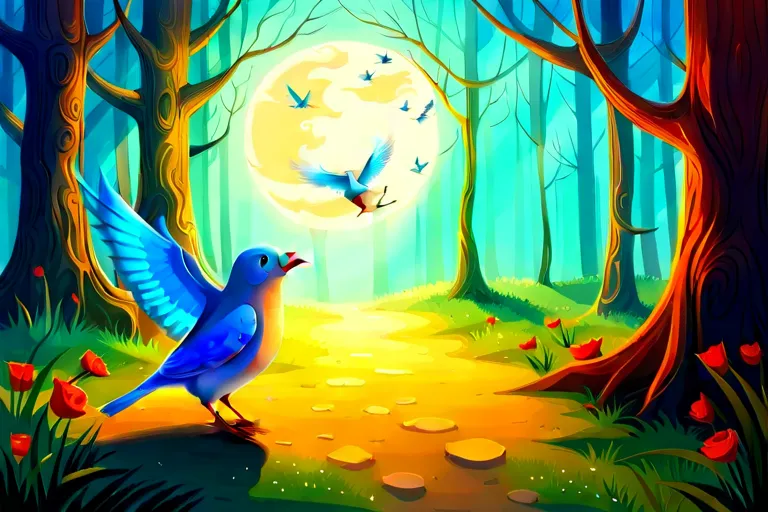
Once upon a time, in a beautiful forest filled with vivid colors and cheerful animals, there lived a bluebird. It was known throughout the woodland for its sweet melodies that would make everyone stop and listen. One day, however, something unexpected happened - Feeling Bluebird's voice went quiet.
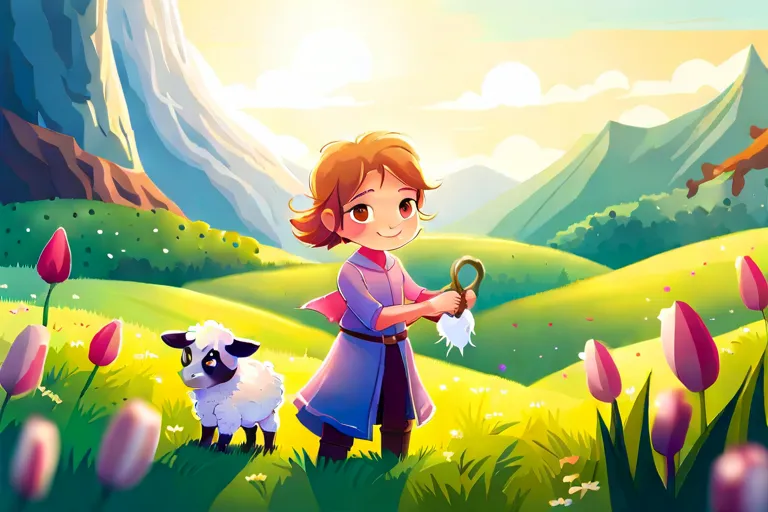
Meet Lily, the little lamb who loves nothing more than playing with her animal friends on the farm. One day, she notices that some of her friends are struggling to do their daily tasks and decides to lend a helping hoof.
Once upon a time, in a beautiful forest, lived Mama Bear, Papa Bear, and Little Bear. They loved spending time together exploring the woods and having fun.
Once upon a time, in the heart of a magical forest, there lived a little bunny named Betsy. She loved to hop and play with her friends all day long. But one day, while playing with her friends, she wandered off the path and could not find her way back home.
While toddlers are just beginning to develop empathy, they can absolutely start learning the basics. Simple stories help them recognize emotions in others and understand that their actions can make someone feel better. This early exposure creates a foundation for more complex empathetic behaviors as they grow.
Point out feelings in everyday situations using the same language from the stories, like saying "Your friend looks sad" or "That made him happy." Model empathetic behavior yourself by comforting others and narrating your caring actions. Praise your toddler when they show concern for others, even in small ways like offering a toy or gentle touch.
Reading empathy stories 2 to 3 times per week is ideal for toddlers, though daily reading is wonderful if your child enjoys it. Repetition is key at this age, so don't hesitate to reread favorite stories multiple times. Consistency helps toddlers internalize the emotional concepts and recognize patterns in caring behaviors.