The Strongman and the Ringmaster
When the ringmaster drops his notes before the show, the strongman steps in to help without making a fuss. Their small moment of teamwork shows the whole circus how kindness can keep a busy day moving.
Welcome to our collection of gratitude stories designed specifically for early readers ages 6 to 8. At this pivotal age, children are developing their independent reading skills while also forming important social and emotional habits that will serve them throughout life. These carefully crafted stories introduce the concept of gratitude in relatable, age-appropriate scenarios that resonate with young readers. Each story features characters who discover the joy of appreciating what they have, saying thank you, and recognizing the kindness of others. The vocabulary and sentence structure are tailored to match early reader capabilities, with repetition and context clues that build confidence while encouraging comprehension.
What makes this collection special is how seamlessly it weaves character education into engaging narratives. Rather than lecturing about gratitude, these stories show children natural situations where thankfulness emerges organically, whether it's appreciating a friend's help, being grateful for family support, or finding joy in simple everyday moments. Parents and teachers will find these stories perfect for bedtime reading, classroom discussions, or independent reading time. The themes align beautifully with social-emotional learning curricula and provide excellent springboards for conversations about appreciation and mindfulness.
Early readers at this age are ready to explore bigger ideas beyond basic phonics, and gratitude offers a perfect entry point into understanding emotions and relationships. These stories help children recognize blessings both big and small, from having food on the table to enjoying a sunny day at the park. By regularly reading gratitude stories, children develop a positive mindset and learn to express appreciation genuinely and frequently, skills that strengthen friendships and family bonds while fostering emotional resilience.

Tilly the sea turtle explores near the shore and learns how beaches change at night. She watches trained turtle volunteers keep a safe distance from nests, guide people away from marked areas, and protect the beach with quiet care.
When the ringmaster drops his notes before the show, the strongman steps in to help without making a fuss. Their small moment of teamwork shows the whole circus how kindness can keep a busy day moving.
One stormy day, the Johnson family found themselves without electricity in their dim apartment. But instead of feeling bored and grumpy, they decided to have fun together without technology. With candles, flashlights, and glow stickers, they played games, told stories and even went on a scavenger hunt around their building.
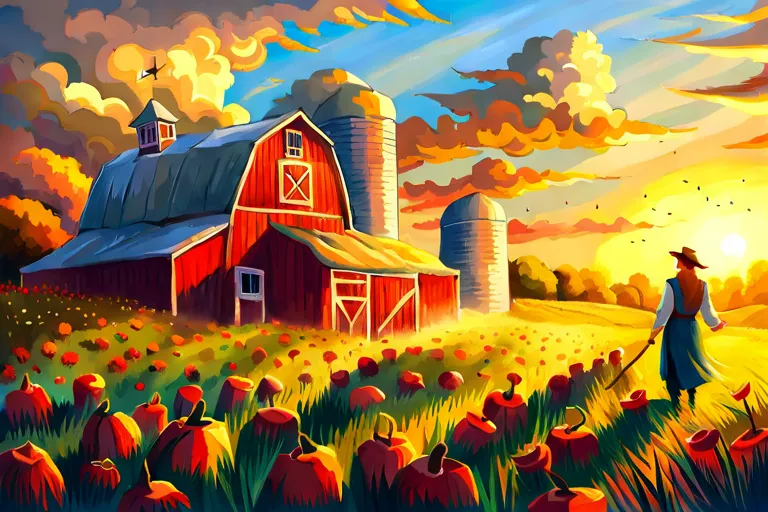
Harvest morning gets tricky when Farmer John's tractor will not start. While the mechanic checks the machine, the animals help with the jobs they can do safely: finding fallen apples, carrying small seed packets, and keeping the yard tidy.
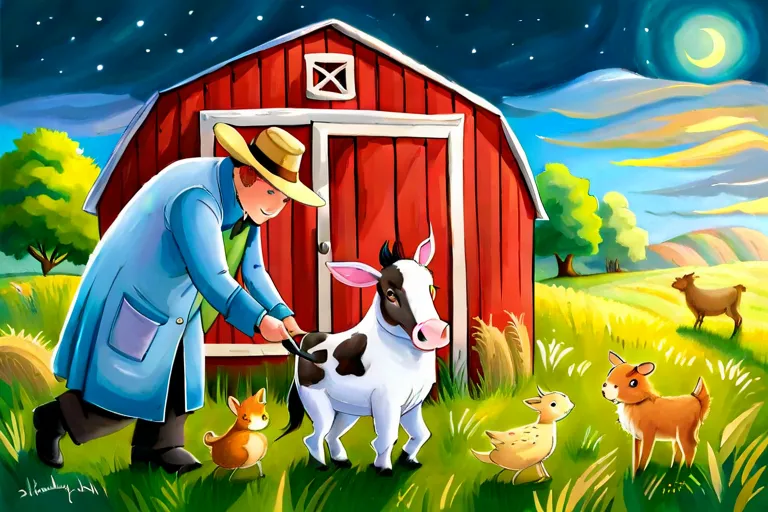
"Farmer John's Big Birthday Surprise" is a heartwarming story about a group of farm animals who plan a special surprise for their kind farmer on his birthday. From baking him a hay cake to taking him on a horseback ride, the animals show how small acts of kindness can make a day brighter.
Gratitude stories support both literacy and emotional development simultaneously. As your child practices reading skills like decoding and comprehension, they're also learning to identify and express thankfulness, which research shows contributes to greater happiness and resilience. These stories provide vocabulary and frameworks for expressing appreciation in their own lives.
These stories work wonderfully both ways! The vocabulary and sentence structure support independent reading for children at the early reader level. However, reading together allows for rich discussions about the gratitude themes and helps children connect story lessons to their own experiences.
After reading, ask your child what the character was grateful for and discuss things your family appreciates. Create a simple gratitude routine like sharing one thing you're thankful for at dinner or before bed. Point out real-life examples when you notice your child or others expressing gratitude.