Big Earth Romps3 minutes read
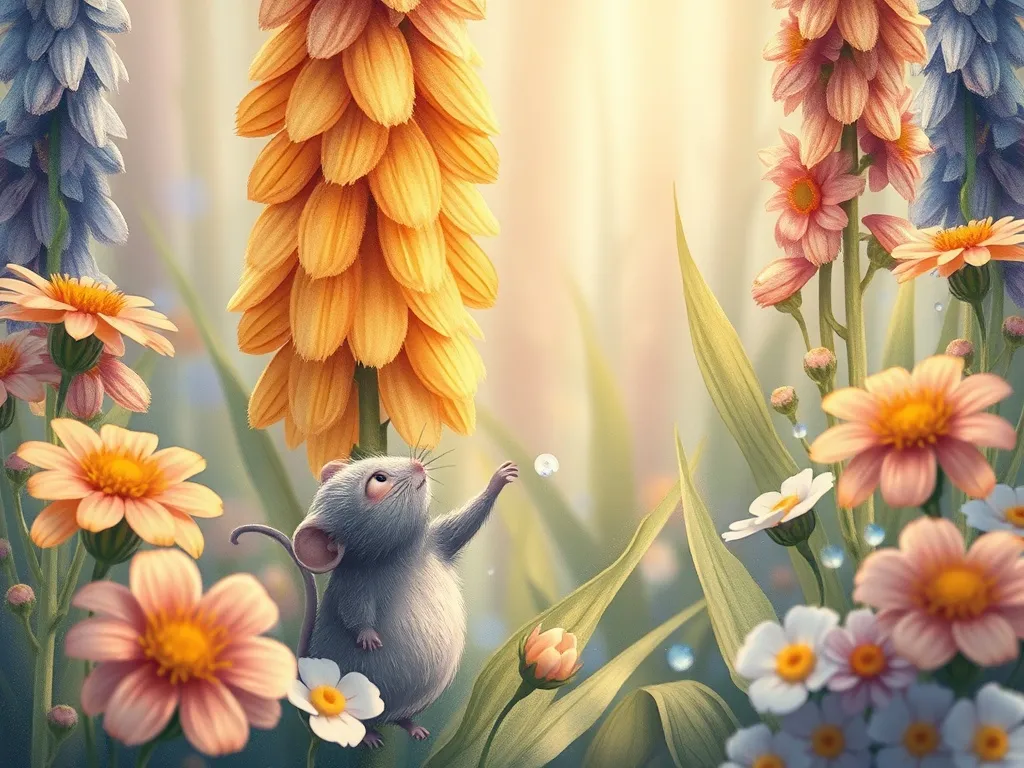
Max and the Sunflower Symphony
Max the mouse feels small in the meadow, but caring for a drooping sunflower seedling helps him find patient friendship and a place to belong.
Welcome to our patience stories collection, thoughtfully designed for early readers ages 6 to 8. At this pivotal stage in their development, children are learning to navigate increasingly complex social situations, manage their emotions, and understand that good things often take time. Our patience stories provide relatable scenarios that help young readers recognize the value of waiting, persevering through challenges, and controlling impulses. Each story in this collection features age-appropriate vocabulary and sentence structures that support emerging reading skills while delivering meaningful life lessons. The narratives follow characters who face familiar situations like waiting for a special event, working toward a long-term goal, learning a new skill, or dealing with disappointment when things don't happen immediately.
Through these engaging tales, children discover that patience isn't about passive waiting but rather about staying positive and productive while working toward something worthwhile. The stories demonstrate practical strategies for managing impatience, such as finding enjoyable activities while waiting, breaking big goals into smaller steps, and celebrating progress along the way. Parents and teachers will appreciate how these stories open natural conversations about self-control, delayed gratification, and emotional regulation. The characters model healthy responses to frustration and show that mistakes and setbacks are normal parts of any learning process.
Whether read independently or shared aloud, these stories reinforce that developing patience is itself a journey that requires practice and persistence. Perfect for classroom read-alouds, independent reading time, or bedtime stories, this collection supports both literacy development and social-emotional learning in a format that respects the growing independence of early readers while still providing the guidance and reassurance they need.

Lily brings her red and yellow kite to the beach, but the string tangles and the wind keeps changing. With her dad's help, she pauses, fixes one knot at a time, and waits for a steady breeze.
Max the mouse feels small in the meadow, but caring for a drooping sunflower seedling helps him find patient friendship and a place to belong.
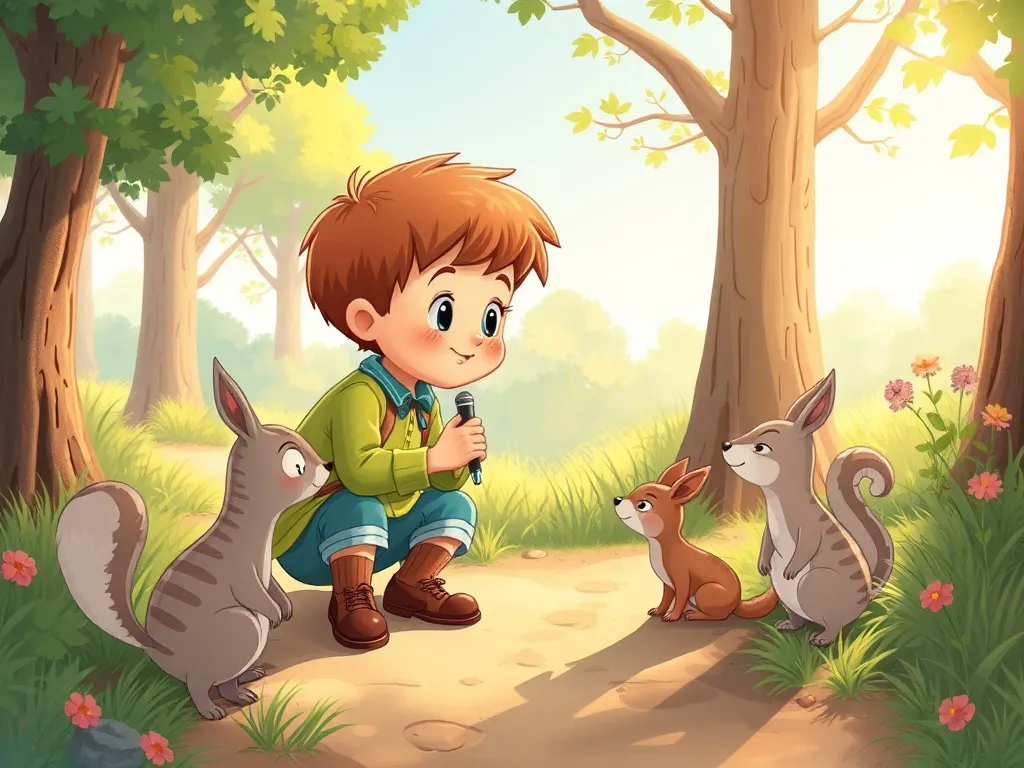
Alex finds a magical map to rainbow berries that might help Tommy Squirrel's sick grandmother. The grove lies beyond the familiar oak tree, so Alex and a small group of forest friends must solve each challenge together.
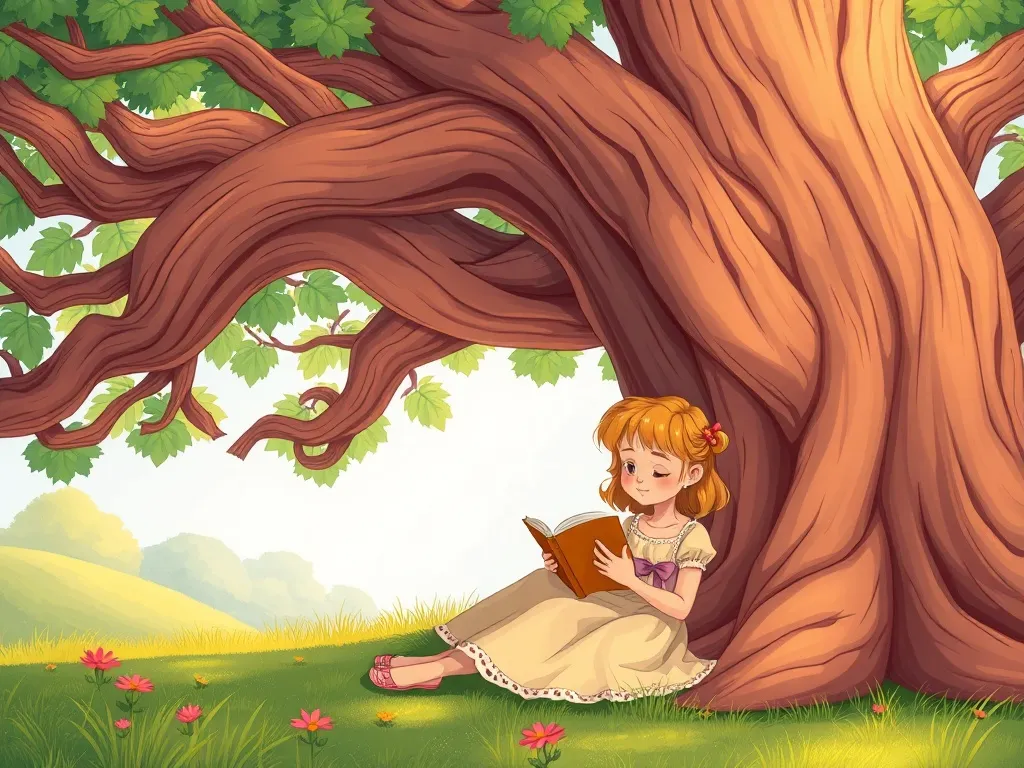
Emma discovers a magical friend who communicates differently than she does. With patience and creativity, they build their own language of leaves, lights, pictures, and stories.
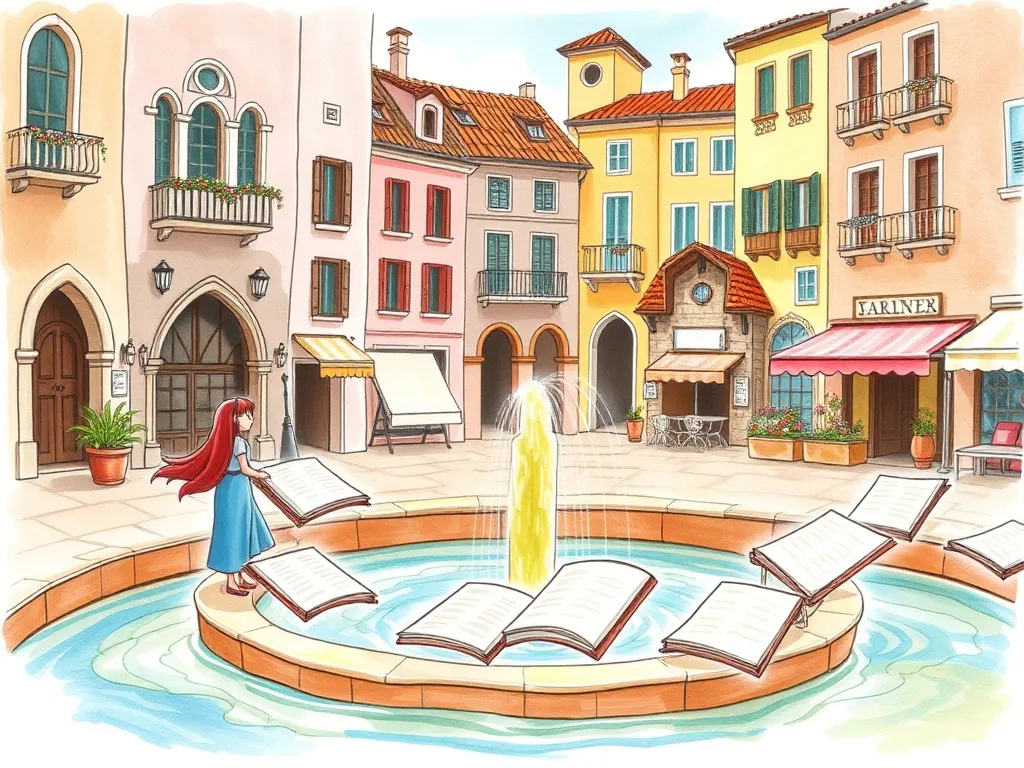
Mia wants to grow rainbow seeds, but gardens need more than beautiful ideas. With help from her neighbors, she turns care routines into part of her art.
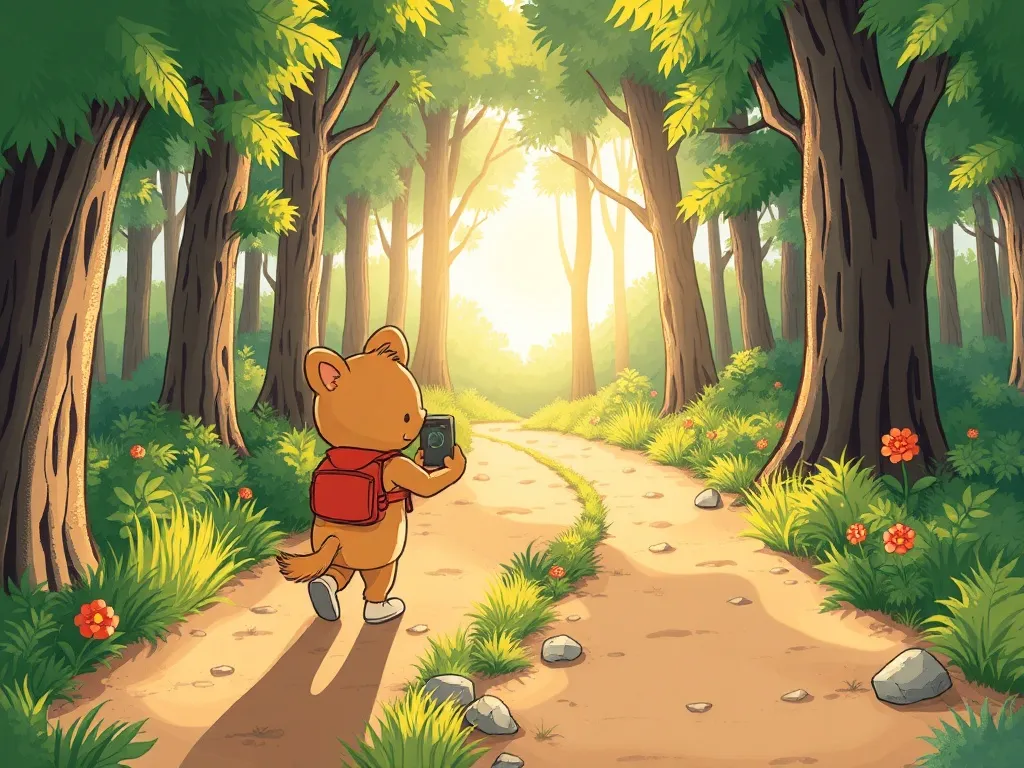
Buddy wants to befriend Owen Owl, but his bouncy greeting is too loud. By watching, waiting, and speaking softly, Buddy learns a kinder way to say hello.

Professor Wren welcomes children into his castle classroom for safe, hands-on lessons with colored water, measuring scales, magnifying glasses, bridge blocks, and a telescope under the night sky.

Chuckles loves making people laugh, but learning to juggle feels harder than he expected. With patient practice, honest help from a skilled performer, and the courage to recover from mistakes, Chuckles finds a routine that is truly his own.

Ellie the elephant feels nervous when the circus gets loud. Her friend Tom helps her practice a calm parade role, one tiny step at a time, until Ellie learns that confidence grows best when she is listened to.

In the heart of the jungle, Leo the lion helps prepare a bright circus parade. When the monkey drummers wander off to fix a noisy problem by themselves, Leo gathers friends with different strengths and learns that a good leader listens before rushing ahead.

Lila helps care for animals at the circus. When a worried lion cub arrives on his way to a wildlife sanctuary, Lila uses patience, quiet kindness, and careful listening to help him feel safe.

A playful circus monkey slips away and starts hiding props before the big show. When the performers grow worried, three siblings follow clues, stay patient, and find a kind way to bring the monkey back safely.

Lily plans a sunny picnic in the park, but work calls and screens keep pulling her parents away. With patience and determination, she helps her family slow down and enjoy the day together.
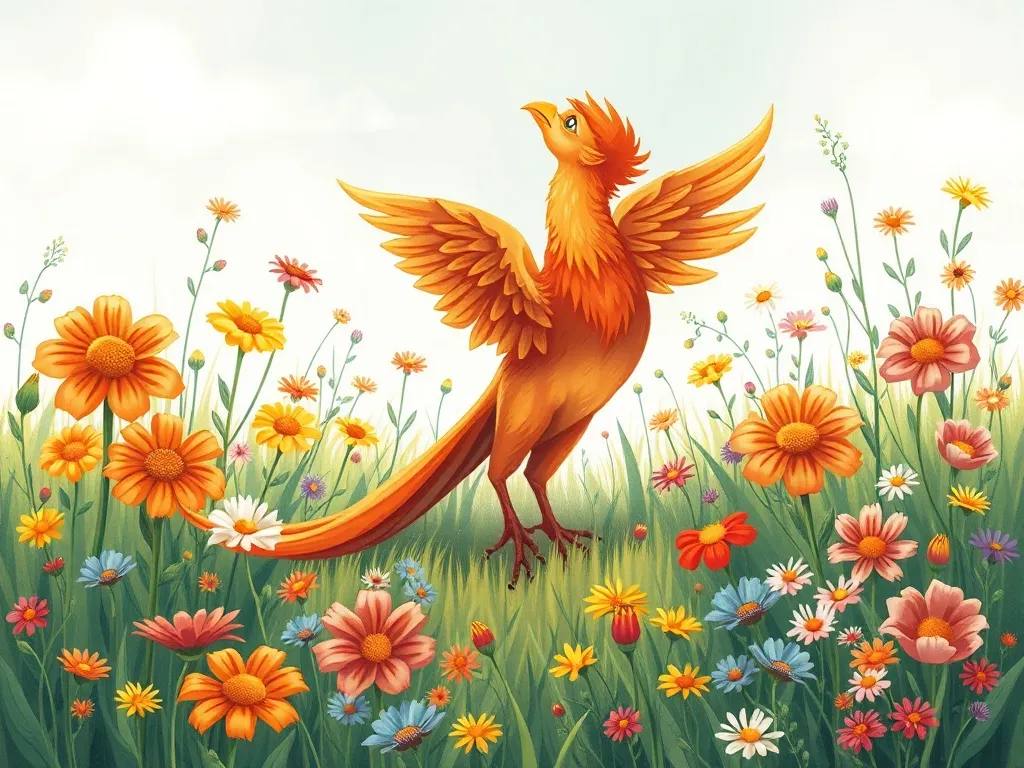
Ember, a young phoenix with bright feelings, learns calming breaths while tending a garden with friends. As the flowers grow, so does her patience.

Sparky is a lively pony who loves to race around the meadow. When he is invited to a small horse show, Mrs. Smith helps him practice listening, stopping, starting, and staying calm.
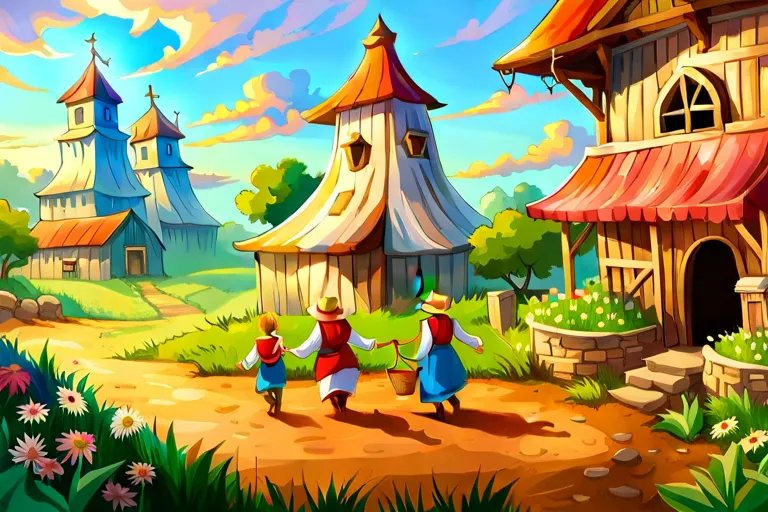
On a busy farm morning, Jimmy notices that a gate has not latched. Instead of chasing the animals, he tells Mama and Papa, then helps from a safe spot while the grown-ups guide everyone back calmly.
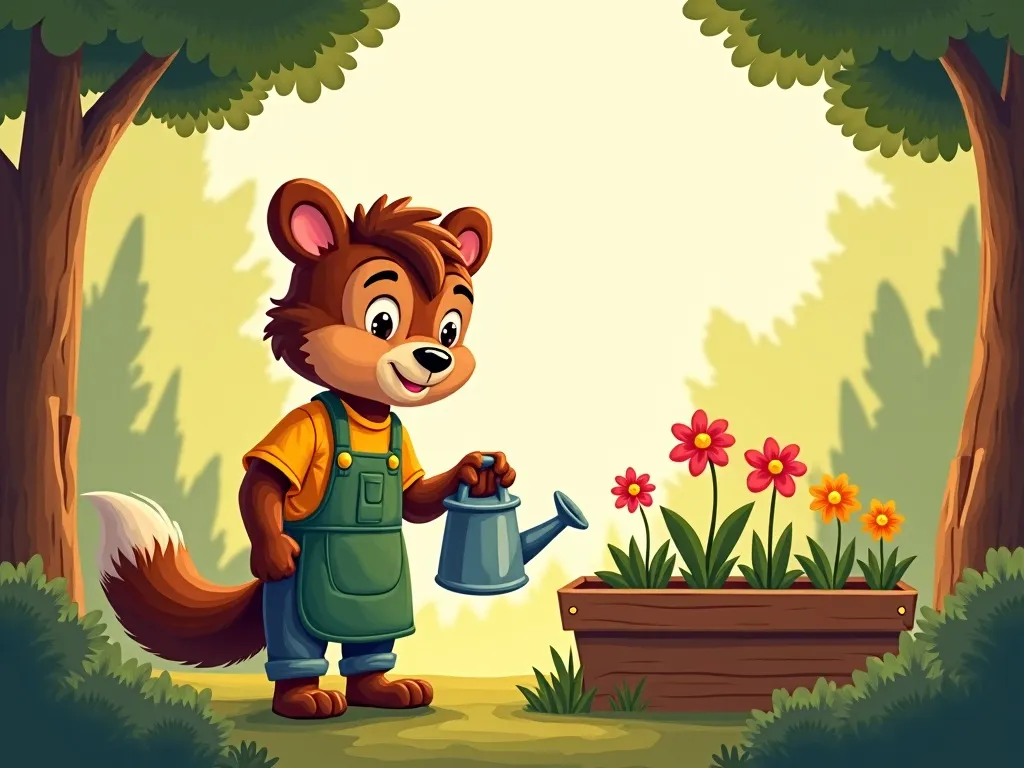
Bruno the bear likes his tidy cottage exactly as it is. When Pip the porcupine needs a dry place for autumn, the two friends learn how small changes, patient questions, and shared work can make room for everyone.
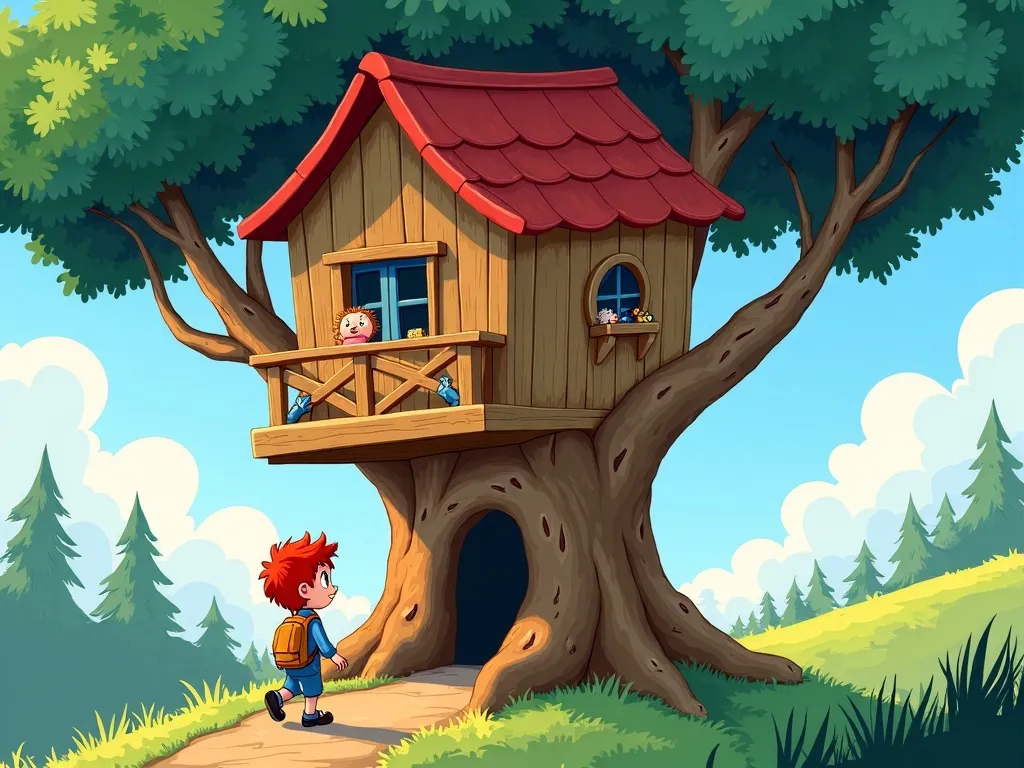
Pip is a cautious rabbit who learns to venture beyond his comfort zone with the help of a kind hedgehog. The story combines friendship, courage, and the magic of forest life.
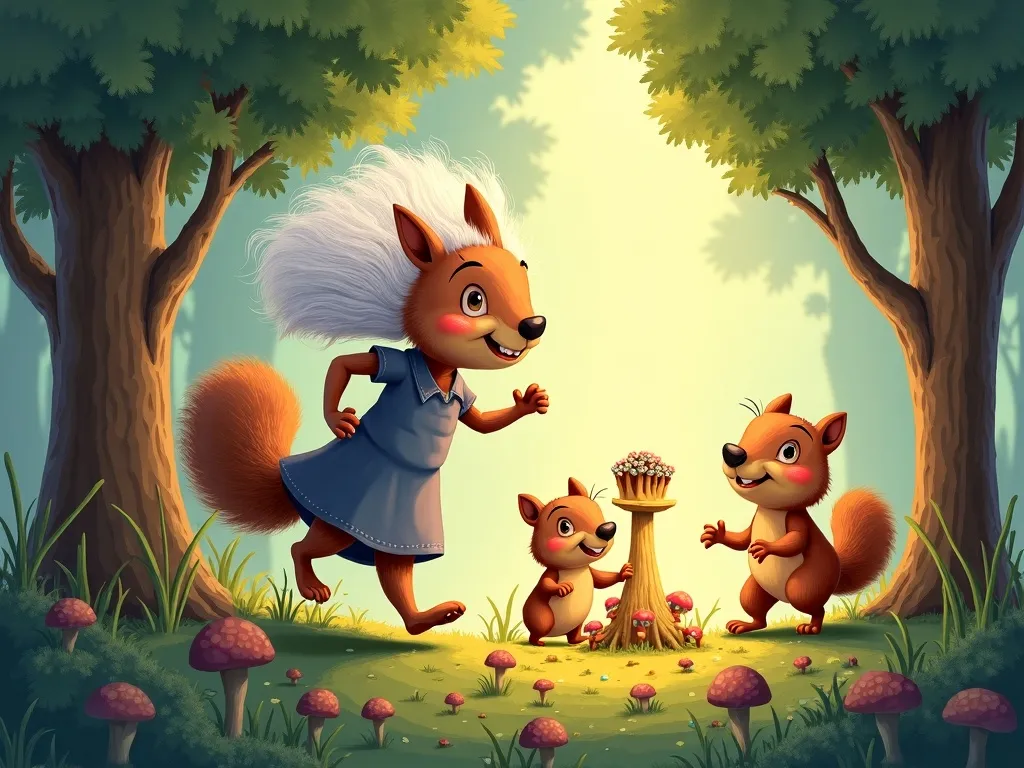
A young forest elf follows the whispers of a willow tree and meets creatures who need him to slow down, listen carefully, and notice more than his own ideas.

Through three connected adventures, Thumper learns that his size and strength can be wonderful gifts when paired with patience and consideration for others. Each challenge helps him understand how to use his gifts more gently with his friends.

Felix the fox learns to turn his bumpy temper into peaceful cooperation when he leaves his cloud castle and visits the Valley of Whispers below. With help from new friends, he discovers how steady breaths, patience, and kindness can keep even cloudy feelings from spoiling a bright day.

"The Bear Who Baked Too Much" offers a fresh perspective on friendship by exploring how physical differences can become strengths rather than obstacles. Through the lens of baking, it demonstrates how patience, adaptation, and shared interests can bridge any gap.

Once upon a time, there was a little girl named Rosie who loved colors. She dreamed of creating a garden full of flowers in every hue of the rainbow.

Once upon a time, in a cozy den tucked in the woods, lived Mama Bear, Papa Bear and their little cub. They had been sleeping for months but finally woke up from hibernation excited to see the great outdoors again. As they made their way back home, they found that their den had been taken over by some mischievous squirrels! Mama Bear tried talking to them about sharing nicely but they were not ready to listen.

Once upon a time, there was a farmer who planted a tiny seedling in his field. He watered it every day and waited patiently for it to grow. But when the seedling turned into a tree, something strange happened.
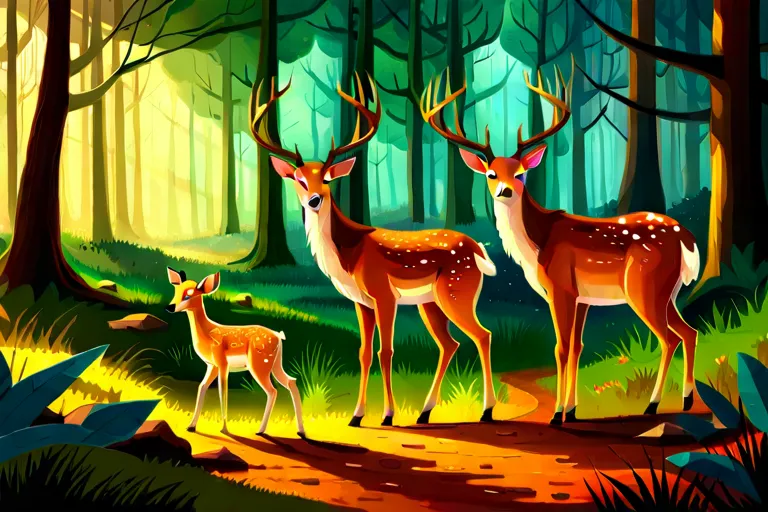
A deer family guides their newborn fawn through the forest, teaching the little one how to find food, notice changes, and stay close when the woods feel uncertain. Each outing becomes a gentle lesson in courage and care.
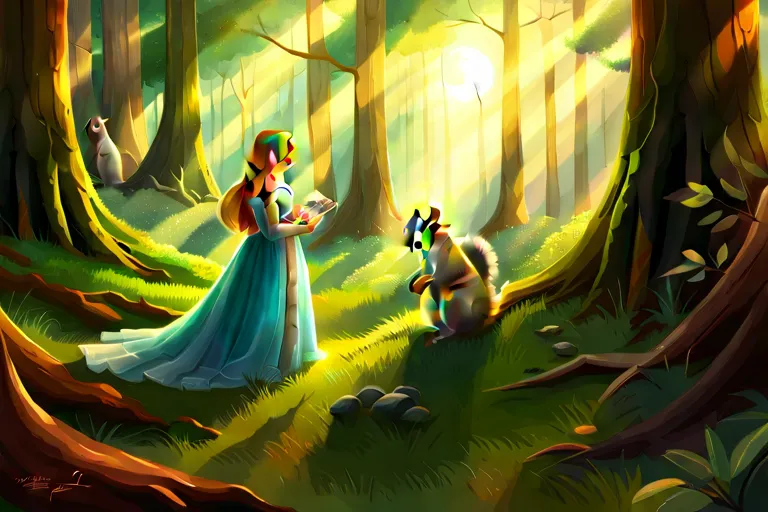
Once upon a time, in a beautiful forest, there lived a family of squirrels. They loved their cozy little home but it was getting too small for them as they had welcomed two new baby squirrels to the family. So Papa Squirrel decided that they should build a new home for themselves. Mama Squirrel and her children Brother and Sister were assigned different tasks to complete before sunset every day.

Sam follows a rainbow sparkle into a hidden garden, where patient experiments help her uncover the secret of crystal flowers.

A busy crew of little crabs works together to build a sandcastle near the tide. Waves, wind, and curious gulls change their plans, but each crab finds a job that helps the castle grow.
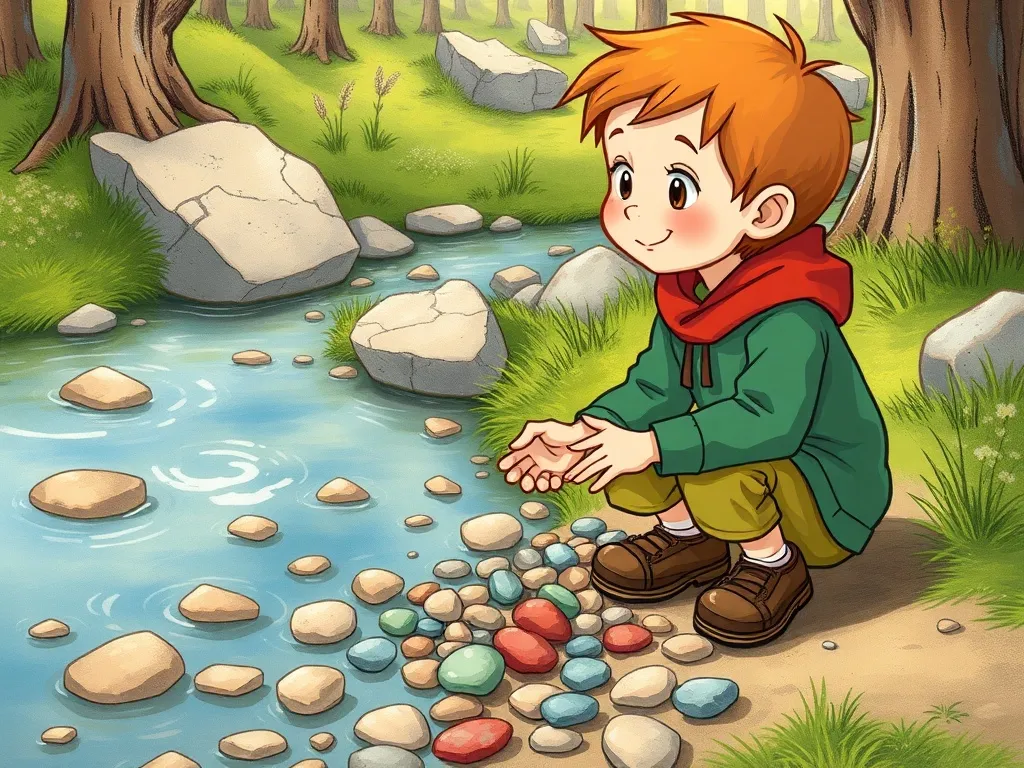
Bruno loves arranging shiny pebbles beside his stream. When playful mermaids use the stones in their games, he learns how sharing can make a favorite treasure even more fun.

Melody loves dancing in her village, and Finn the sky giant wants to learn. Elder Sage helps them turn tiny steps and giant steps into gentle spring weather for everyone.

Pip is a tiny dragon who breathes petals instead of fire. With help from Elder Frost and Luna, he finds a gentle way to make music with the singing crystals.

Luna helps two giants repair a rainbow bridge, discovering how honesty, patience, and cooperation can turn a mistake into something even better.

Waddles finds a gentle sky giant sitting on the Rainbow Bridge with one toy boat and many worries. A sharing circle helps the giants turn the bridge into a friendly place to play.
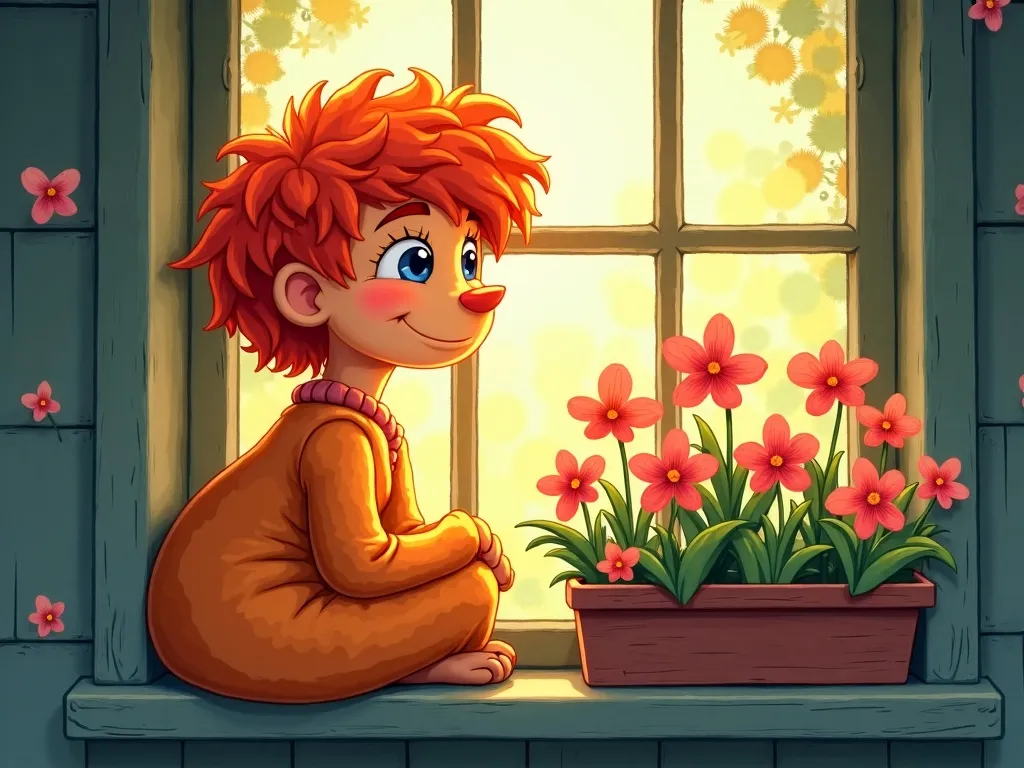
Pip, a young phoenix nervous about flying, learns to practice with the help of his grandmother and a wise owl named Luna. Their patience and encouragement help him discover that being brave means trying one careful step at a time.

Melody loves dancing more than tending the valley's musical crystals. When their songs fade, Harmonious the Crystal Giant helps her make responsibility part of the music she already loves.

Professor Horace loves giving advice from his lighthouse, but he often forgets to listen first. Elder Koa, a patient sea turtle, helps him learn that the best wisdom begins with hearing each whole story.

Pip comes to Old Sage in tears because he keeps yelling when anger takes over. In the owl's magical garden of emotions, Pip learns how patience and understanding can soften even the prickliest feelings.
These stories provide concrete examples of characters handling waiting and frustration in constructive ways, giving children a mental framework to draw upon when facing their own challenges. By seeing characters successfully practice patience, children learn that difficult feelings are manageable and temporary. The relatable scenarios help them recognize patience opportunities in their daily lives and remember strategies they've read about in the stories.
Absolutely, these stories are particularly valuable for children who find waiting difficult. The characters often start out feeling impatient or frustrated, making them relatable to children who struggle with impulse control. The stories normalize these feelings while gently modeling better responses, helping children understand they're not alone in finding patience challenging.
These stories work wonderfully either way and many families find value in doing both. Early readers in the 6-8 age range can typically handle these stories independently, which builds confidence and reading fluency. However, reading together allows for meaningful discussions about the patience lessons and helps children apply the concepts to their own experiences.