The Strongman and the Ringmaster
When the ringmaster drops his notes before the show, the strongman steps in to help without making a fuss. Their small moment of teamwork shows the whole circus how kindness can keep a busy day moving.
Welcome to our collection of gratitude stories specially crafted for preschoolers ages 3 to 5. Teaching young children to recognize and express thankfulness is one of the most valuable gifts we can offer them during their formative years. These carefully selected stories introduce the concept of gratitude in ways that resonate with preschool-aged minds, using colorful characters, simple scenarios, and relatable situations that little ones encounter in their daily lives. Each story in this collection has been designed with the developmental stage of preschoolers in mind, featuring short attention-friendly narratives, repetitive phrases that aid comprehension, and vivid imagery that captures imagination.
Whether your child is learning to say thank you for their favorite snack, appreciating a sunny day at the playground, or recognizing the kindness of family members and friends, these stories provide gentle guidance and positive examples. Parents and teachers will find these tales particularly useful during circle time, bedtime routines, or as conversation starters about feelings and relationships. The educational value extends beyond just manners; research shows that children who develop gratitude early tend to exhibit greater empathy, improved social skills, and enhanced emotional well-being. Our stories feature diverse characters and situations, from animals sharing their forest home to children discovering joy in simple pleasures.
Each narrative concludes with a gentle lesson that encourages young listeners to notice the good things around them without being preachy or overwhelming. These stories work beautifully for one-on-one reading sessions or small group settings, and many include interactive elements like counting blessings or identifying things to be thankful for in accompanying illustrations. Perfect for educators building character education curriculum or parents wanting to nurture positive values at home, this collection offers an engaging, age-appropriate introduction to one of life's most important practices.

Tilly the sea turtle explores near the shore and learns how beaches change at night. She watches trained turtle volunteers keep a safe distance from nests, guide people away from marked areas, and protect the beach with quiet care.
When the ringmaster drops his notes before the show, the strongman steps in to help without making a fuss. Their small moment of teamwork shows the whole circus how kindness can keep a busy day moving.
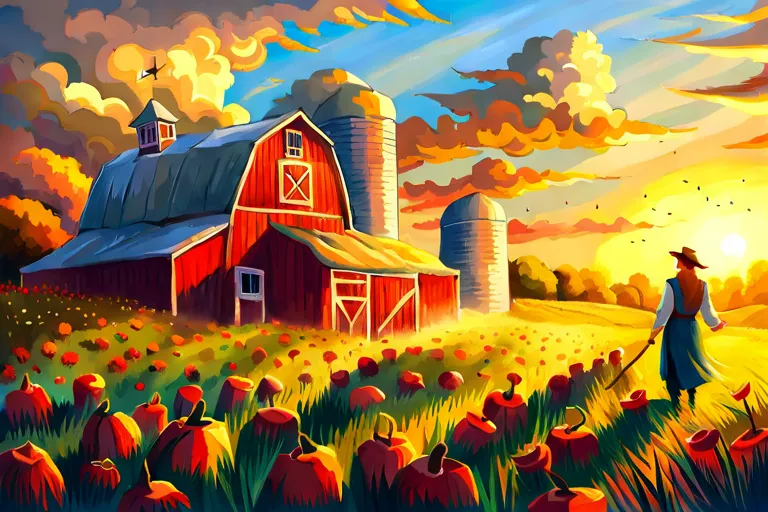
Harvest morning gets tricky when Farmer John's tractor will not start. While the mechanic checks the machine, the animals help with the jobs they can do safely: finding fallen apples, carrying small seed packets, and keeping the yard tidy.
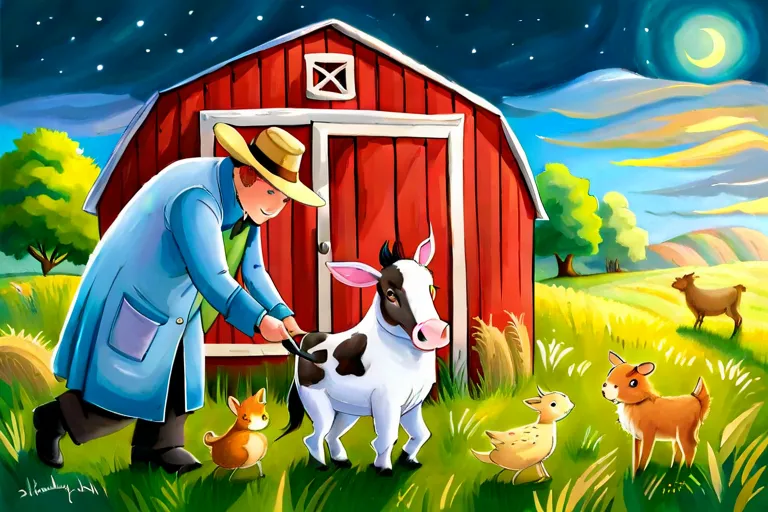
"Farmer John's Big Birthday Surprise" is a heartwarming story about a group of farm animals who plan a special surprise for their kind farmer on his birthday. From baking him a hay cake to taking him on a horseback ride, the animals show how small acts of kindness can make a day brighter.
Children as young as 3 years old can begin grasping basic concepts of gratitude, though their understanding will be concrete and simple. Preschoolers typically connect gratitude with saying thank you and recognizing when someone does something nice for them. By age 5, many children can identify multiple things they're thankful for and understand that gratitude is a feeling, not just polite words.
After reading these stories, point out real-life moments that mirror the narratives, such as thanking the librarian or appreciating a beautiful sunset together. Create simple gratitude rituals like sharing one thing you're each thankful for at dinner or before bed. Model gratitude yourself by verbalizing your own thankfulness throughout the day, as preschoolers learn most effectively through observation and repetition.
Consistency matters more than frequency when teaching values to preschoolers. Reading one or two gratitude stories per week, then revisiting favorites regularly, helps reinforce the concepts without overwhelming young children. Many parents find that incorporating these stories into their regular rotation alongside other themes creates a natural, balanced approach to character development.