Dozen Pals3 minutes read
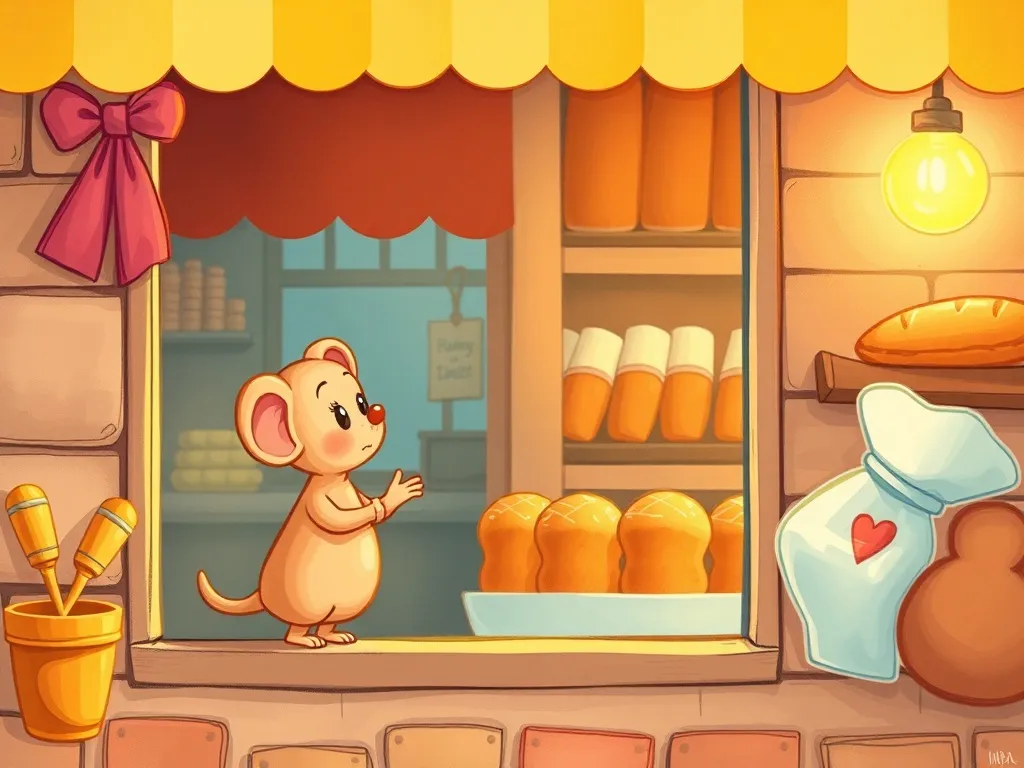
Penny's Sweet Mistake
Penny the pig makes a mistake with a basket of pastries, then finds the courage to tell the truth and make things right with her friends.
Teaching honesty to preschoolers is one of the most important gifts we can give young children as they begin to navigate social relationships and understand right from wrong. Our collection of honesty stories for preschoolers is specifically designed for children ages 3 to 5, featuring age-appropriate narratives that introduce the concept of truthfulness in gentle, engaging ways. These stories use simple language, colorful characters, and relatable situations that preschoolers encounter in their daily lives, from accidentally breaking a toy to finding something that doesn't belong to them.
Each story in this collection has been carefully crafted to demonstrate that telling the truth, even when it feels scary or difficult, leads to positive outcomes and helps build trust with the people we love. The characters in these tales face common dilemmas that preschoolers can easily understand, making it simple for young children to see themselves in the stories and apply the lessons to their own experiences. Parents and teachers will find these stories particularly valuable during circle time, bedtime routines, or teachable moments when honesty becomes relevant. The narratives avoid harsh consequences or shame, instead focusing on the good feelings that come from being truthful and the natural resolution of problems when we're honest.
These stories also help preschoolers understand that everyone makes mistakes and that honesty is about taking responsibility in kind, age-appropriate ways. Whether you're a parent looking to instill strong values or an educator building character education into your curriculum, this collection provides wonderful conversation starters that help preschoolers develop their moral compass during these crucial formative years.
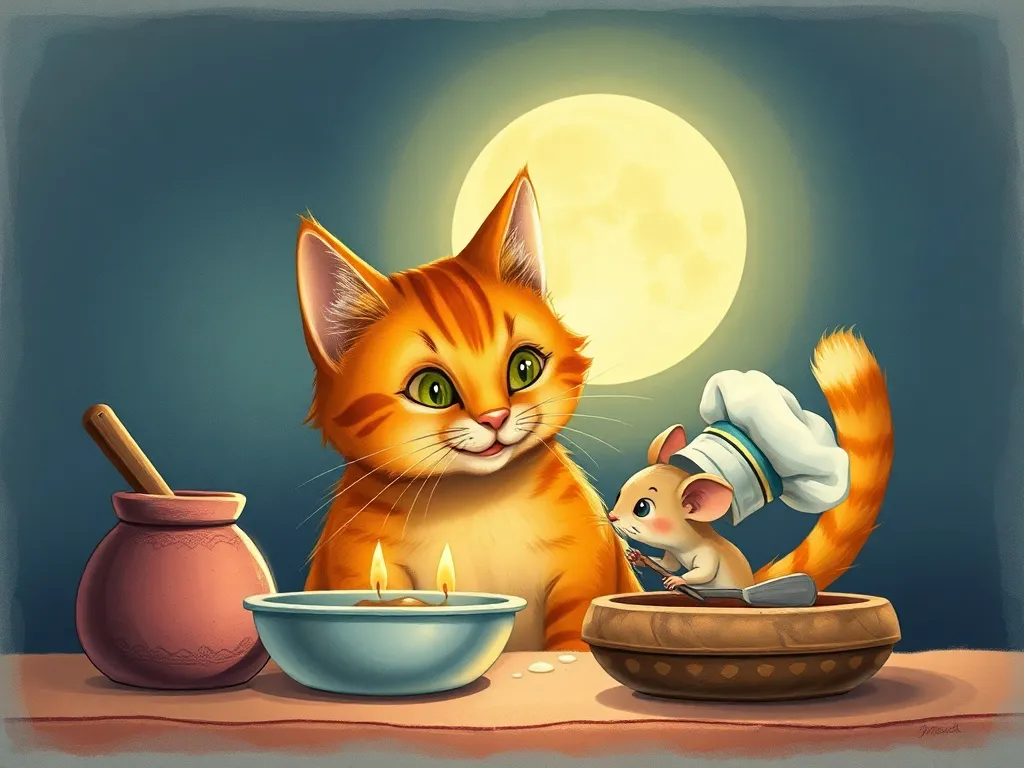
Charlie the cat meets Pip the mouse in a moonlit bakery. When both admit what they need help with, their questions become the start of a sweet friendship.
Penny the pig makes a mistake with a basket of pastries, then finds the courage to tell the truth and make things right with her friends.

Once upon a time, in a beautiful forest, there was a magical treehouse where all the animal friends used to play and have fun. One day, they found out that the key to their beloved treehouse was not on its hook.

Bruno Bear follows a glowing stream bubble to an underwater school, where a messy accident teaches him how much an honest apology matters.
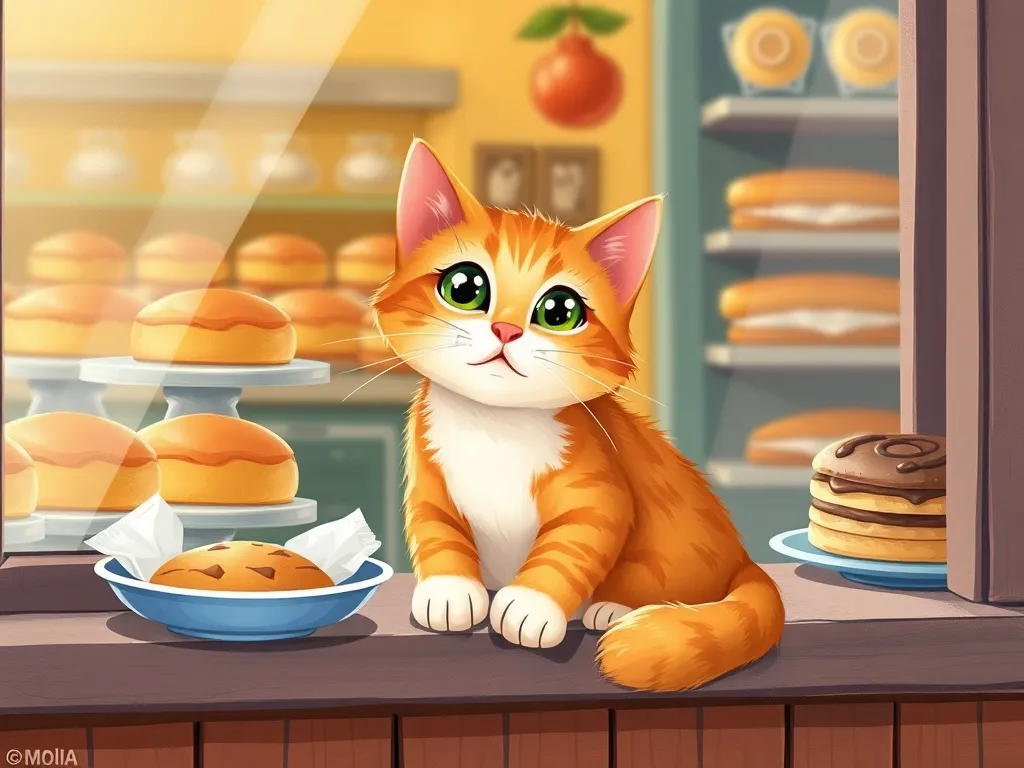
Marmalade the bakery cat follows silver sparkles to a hidden fairy kitchen and discovers that she is not the only one taking tarts without asking. Together, cat and fairies learn to be honest, ask permission, and make things right.

Luna helps two giants repair a rainbow bridge, discovering how honesty, patience, and cooperation can turn a mistake into something even better.

Ellie breaks several musical crystals while practicing in the cave and tries to hide what happened. Wise Walrus helps her tell the truth, apologize, and make new music with her friends.

A library-loving rabbit makes a mistake in a lighthouse library and has to tell the truth, ask for help, and work with friends to put things right during a busy summer day.
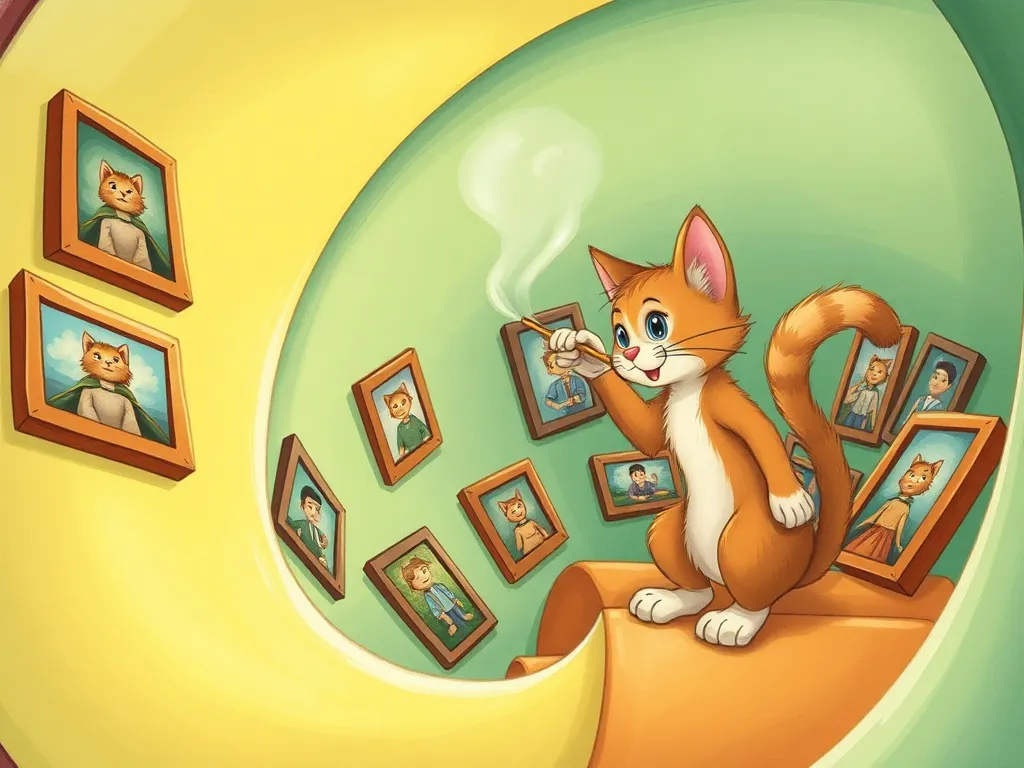
Whiskers accidentally sends Grace's lighthouse quilt tumbling from the tower and tries to fix it by himself. The lighthouse kids help him rescue the quilt, tell the truth, and mend it together.
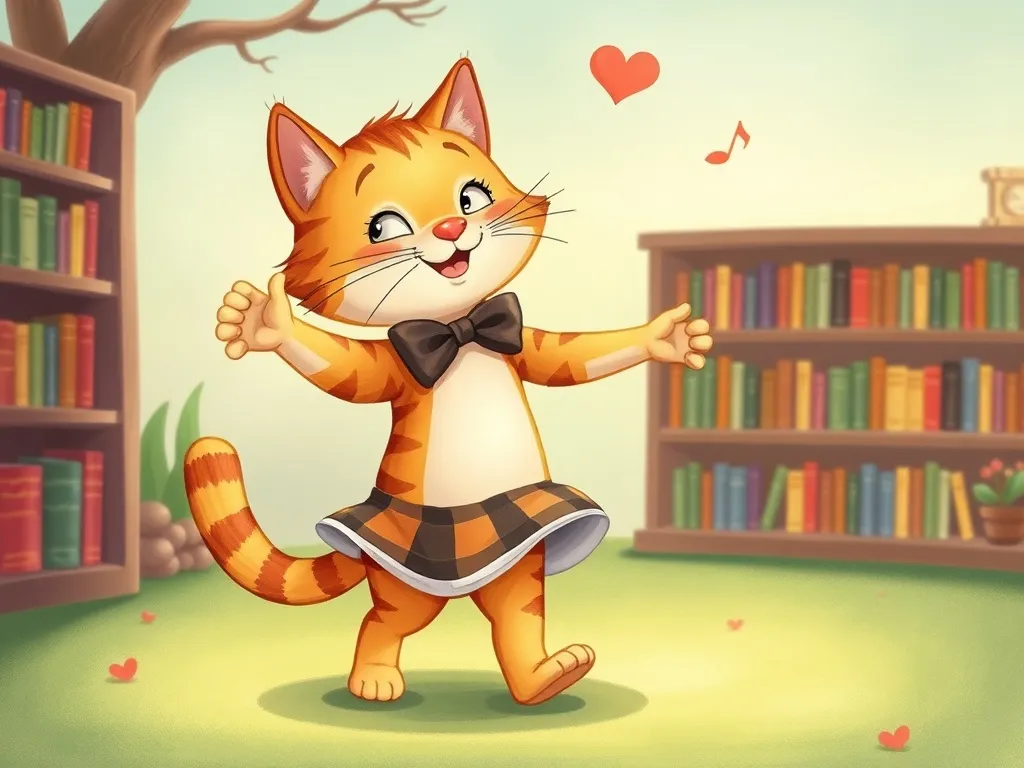
Melody finds Mr. Whiskertons practicing tap steps between the library shelves at sunset.

In a bright cloud castle, Mia uses color and imagination with new friends, then has to tell the truth when a mistake changes the shape of their rainbow art.
You can begin introducing honesty concepts as early as age 3, when children start to understand cause and effect and develop more complex language skills. Preschoolers are naturally beginning to test boundaries and may tell small fibs, making this the perfect time to gently introduce truthfulness through stories. Keep explanations simple and focus on positive examples rather than punishment.
Read the stories together and ask open-ended questions about what the characters did and how they felt. Connect the story situations to real-life examples your child might encounter, like breaking something or taking a snack without asking. Praise your child when they tell the truth, even about difficult things, to reinforce that honesty is valued and safe.
This is completely normal for preschoolers, as abstract concepts like trust take time to develop. Focus on concrete outcomes in stories, like how characters feel better after being honest or how problems get solved when people tell the truth. Repetition through multiple stories and real-life practice will gradually help your child grasp the importance of honesty.