
Magic Circus2 minutes read
The Secret of Mr. Mysterious
Lily loves Mr. Mysterious's magic act, but she notices that one trick is making younger children worried.
Welcome to our collection of honesty stories specifically designed for middle readers ages 8 to 12. At this pivotal stage of development, children are navigating increasingly complex social situations at school, in extracurricular activities, and within their friend groups. They face real dilemmas about whether to admit mistakes, tell the truth when it might get them or others in trouble, or speak up when they witness dishonesty. Our carefully curated stories address these authentic challenges with nuance and respect for their growing maturity. Each story in this collection features age-appropriate scenarios that middle readers can relate to, from academic integrity issues like cheating on tests to social situations involving peer pressure and loyalty conflicts.
The characters in these tales grapple with realistic consequences and internal struggles, modeling the thought processes that lead to honest choices even when they're difficult. Unlike simpler honesty stories for younger children, these narratives acknowledge that truthfulness isn't always straightforward and that being honest sometimes requires significant courage. These stories serve as excellent conversation starters for parents and teachers who want to discuss ethics and values with preteens. They're ideal for independent reading, classroom read-alouds, or family reading time. The vocabulary and sentence structure are appropriate for this age group, while the themes provide meaningful lessons without being preachy.
Whether you're a parent looking to reinforce family values, a teacher building character education into your curriculum, or a librarian seeking quality moral development resources, these honesty stories provide the perfect blend of engaging storytelling and valuable life lessons that will resonate with middle readers and stick with them as they continue to grow.
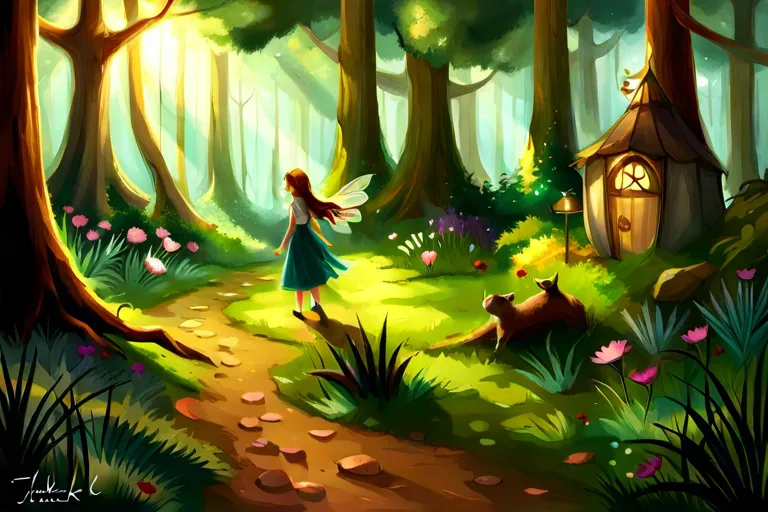
Once upon a time, a curious boy named Jack found a fairy named Twinkle in the forest. Their friendship grew because Jack learned to ask permission, keep his promises, and protect the quiet places where small magical creatures lived.
Lily loves Mr. Mysterious's magic act, but she notices that one trick is making younger children worried.
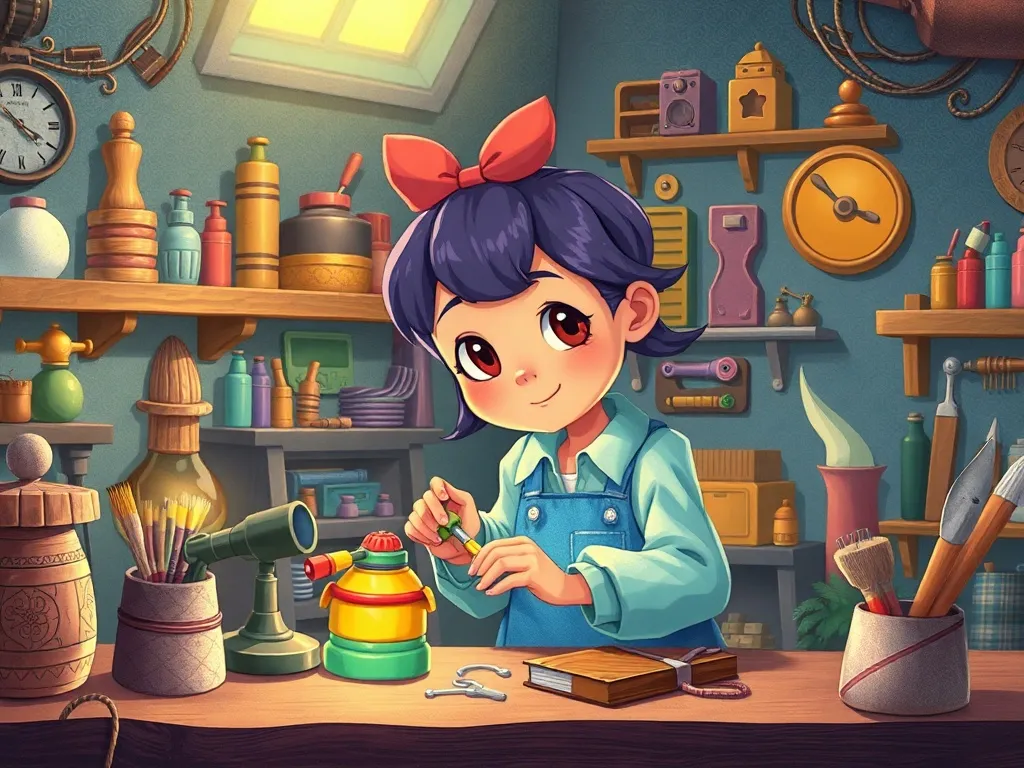
A young inventor builds a friendship detector with help from magical rainbow cats, then has to admit a mistake before the invention can work the way she hoped.
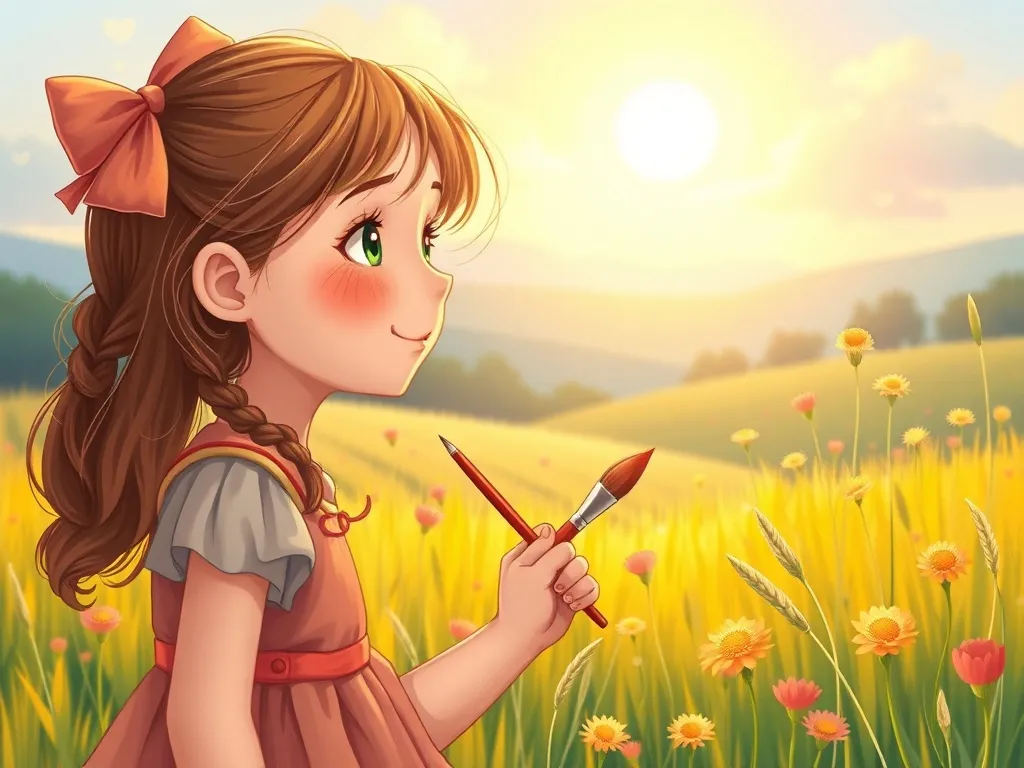
Mia finds the Giant Queen's Dawn Painter in Rainbow Valley and chooses to return it. Her honesty helps restore summer's colors and earns her a new paintbrush of her own.

Lily breaks a vase while dusting and almost hides from the truth. When she tells the king what happened, she is invited to make amends by helping in the castle garden, where Tom teaches her steady work, patience, and care.
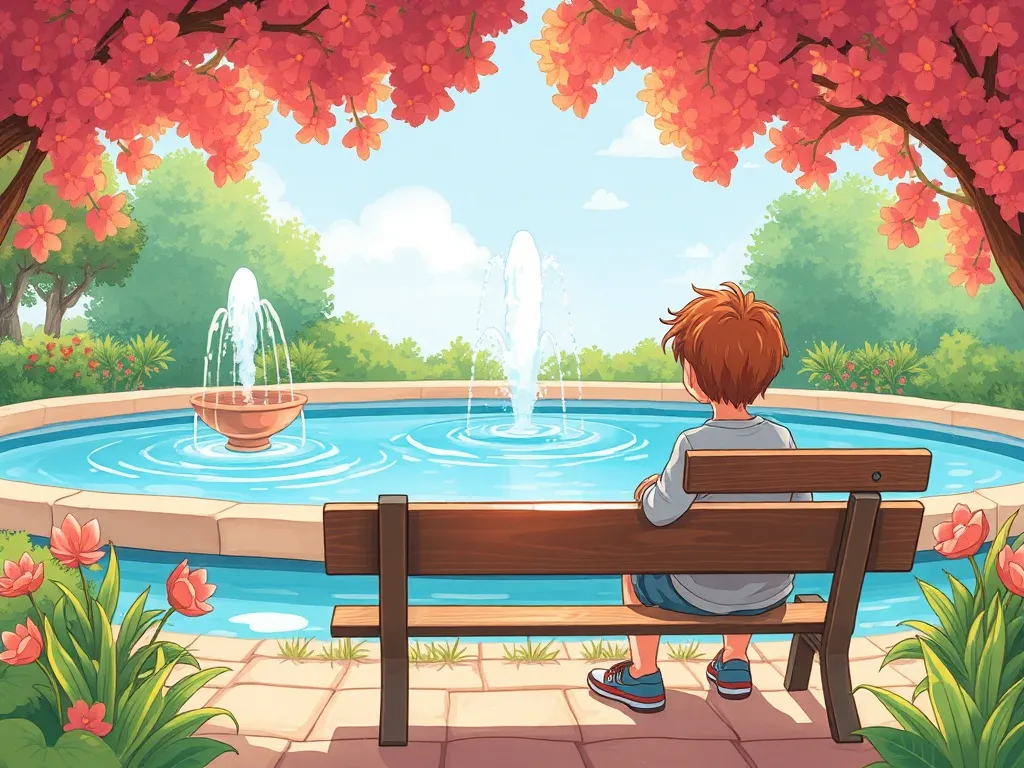
Jake feels embarrassed that he cannot swim yet. With encouragement from Maria, a patient instructor, and safe practice in the shallow end, he learns that asking for help is a brave first step.
Stories for middle readers tackle more complex moral dilemmas that reflect the real-world situations 8 to 12 year olds face, such as academic pressure, peer relationships, and divided loyalties. The narratives acknowledge that honesty sometimes comes with difficult consequences and requires weighing competing values. Unlike simpler tales for younger kids, these stories don't always present black-and-white scenarios, helping preteens develop more sophisticated ethical reasoning skills.
Absolutely. These stories provide non-confrontational ways to explore the topic and can open up discussions about past incidents without direct criticism. Characters who make mistakes and learn from them help children see that everyone struggles with honesty and that it's never too late to change. The stories emphasize growth, redemption, and the long-term benefits of choosing truthfulness.
Yes, these honesty stories are excellent for classroom settings and align well with character education standards for elementary and middle school students. They work wonderfully as discussion starters for ethics lessons, language arts activities, or morning meeting topics. Many teachers use them to establish classroom culture around academic integrity and respectful communication.