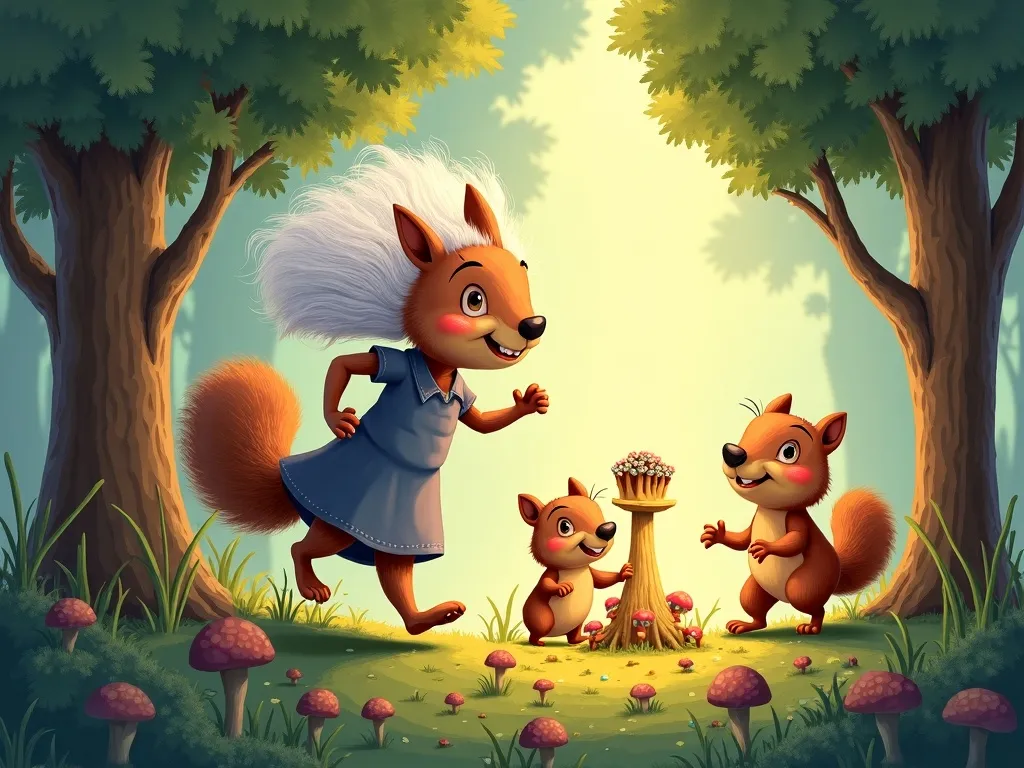
The Wizard's Magical Lessons
Professor Wren welcomes children into his castle classroom for safe, hands-on lessons with colored water, measuring scales, magnifying glasses, bridge blocks, and a telescope under the night sky.
Welcome to our collection of patience stories specifically crafted for middle readers ages 8 to 12. At this pivotal developmental stage, children are navigating increasingly complex social situations, academic challenges, and personal goals that require sustained effort and self-control. These stories provide relatable characters and scenarios that help young readers understand that worthwhile achievements often require time, persistence, and the ability to delay gratification. Our patience stories for middle readers tackle age-appropriate themes like waiting for long-term rewards, managing frustration during difficult learning processes, dealing with setbacks in friendships or activities, and understanding that personal growth happens gradually.
Unlike simpler patience tales for younger children, these narratives feature more nuanced plots with realistic obstacles and consequences that mirror the challenges middle readers face in their daily lives. Each story demonstrates different aspects of patience, from the determination needed to master a new skill to the emotional regulation required when things don't go as planned. These tales are particularly valuable for parents and teachers looking to support children who struggle with impulsivity, have difficulty completing long-term projects, or become easily discouraged when results aren't immediate. The stories can spark meaningful conversations about goal-setting, perseverance, and the value of process over instant results.
They're perfect for independent reading, classroom discussions about character development, or family reading time that leads to deeper conversations about handling life's inevitable waiting periods. By engaging with these stories, middle readers develop emotional intelligence and learn practical strategies for cultivating patience in their own lives.
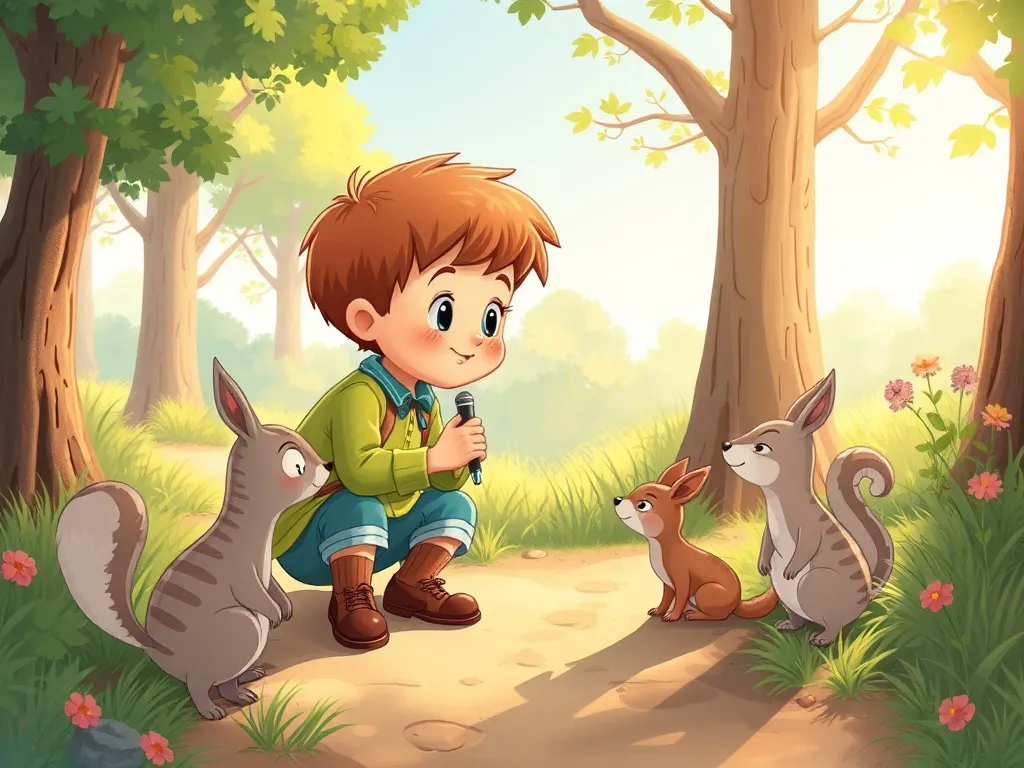
Alex finds a magical map to rainbow berries that might help Tommy Squirrel's sick grandmother. The grove lies beyond the familiar oak tree, so Alex and a small group of forest friends must solve each challenge together.
Professor Wren welcomes children into his castle classroom for safe, hands-on lessons with colored water, measuring scales, magnifying glasses, bridge blocks, and a telescope under the night sky.
A young forest elf follows the whispers of a willow tree and meets creatures who need him to slow down, listen carefully, and notice more than his own ideas.
Sam follows a rainbow sparkle into a hidden garden, where patient experiments help her uncover the secret of crystal flowers.
Stories for middle readers feature more complex plots with realistic challenges that reflect the situations 8 to 12 year olds actually face, such as long-term school projects, sports training, or evolving friendships. The characters deal with more sophisticated emotional responses and internal conflicts rather than simple waiting scenarios. These narratives also explore the consequences of both patience and impatience in greater depth, helping older children understand the long-term benefits of delayed gratification.
Yes, these stories can be a valuable tool as part of a broader approach to supporting children who struggle with impulse control. The relatable characters and realistic scenarios provide concrete examples of patience strategies in action, making abstract concepts more tangible. Reading and discussing these stories together allows for natural conversations about self-regulation techniques and coping strategies that children can apply in their own lives.
These stories are designed for middle readers typically ages 8 to 12, though the exact age range depends on individual reading level and maturity. Advanced 7 year olds or struggling 13 year olds may also benefit from these collections. The key is matching the story's emotional complexity and reading difficulty with your child's developmental stage rather than focusing solely on chronological age.