3 stories

Fairness Stories for Middle Readers

Welcome to our Fairness Stories collection, thoughtfully curated for middle readers ages 8 to 12. At this pivotal age, children are developing a more sophisticated understanding of justice, equity, and what it means to treat others fairly. These stories go beyond simple right and wrong, exploring the complex gray areas that make fairness such an important concept to navigate in real life. Our collection features narratives where characters face difficult decisions about sharing resources, standing up against unfair treatment, recognizing their own privileges and biases, and learning that fairness doesn't always mean treating everyone exactly the same.

What makes these stories particularly valuable for this age group is their ability to present nuanced scenarios that mirror the social challenges middle readers encounter daily at school, in sports, with siblings, and in their communities. Each story is designed to spark meaningful conversations about equality, justice, and doing the right thing even when it's difficult. The characters in these tales wrestle with questions like: Is it fair to give someone special treatment because of their circumstances? How do you handle situations where rules seem unfair? What does it mean to be a fair friend, teammate, or family member?

These stories are perfect for independent reading, classroom discussions, or bedtime conversations that dig deeper than surface level morality. Teachers will find them excellent for character education units, while parents can use them as springboards for discussing the fairness issues their children face in their own lives. The reading level is appropriate for middle readers while the themes respect their growing cognitive abilities and moral reasoning skills.
Featured Story 6 minutes read

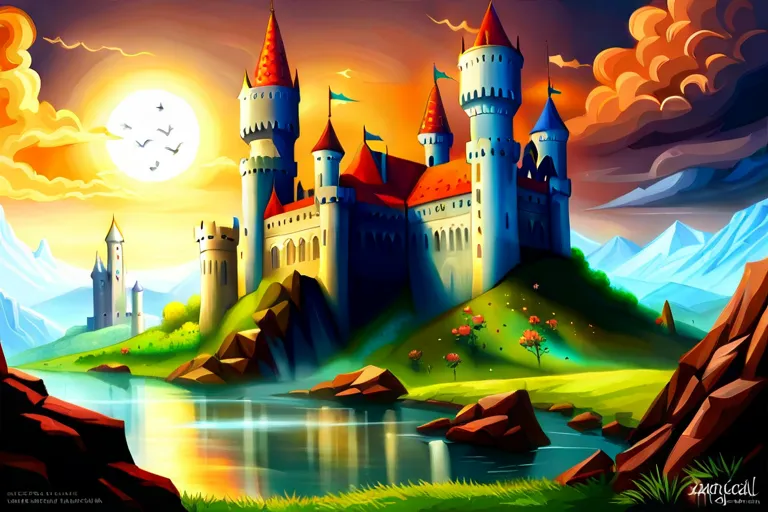
The Castle Detectives

Lily from the village and Prince William follow clues across both sides of the castle wall. Missing bells, ribbons, and carrots lead them to a pony who needs help, not punishment.

The Royal Family's Brave Battle
Castle Tales 5 minutes read

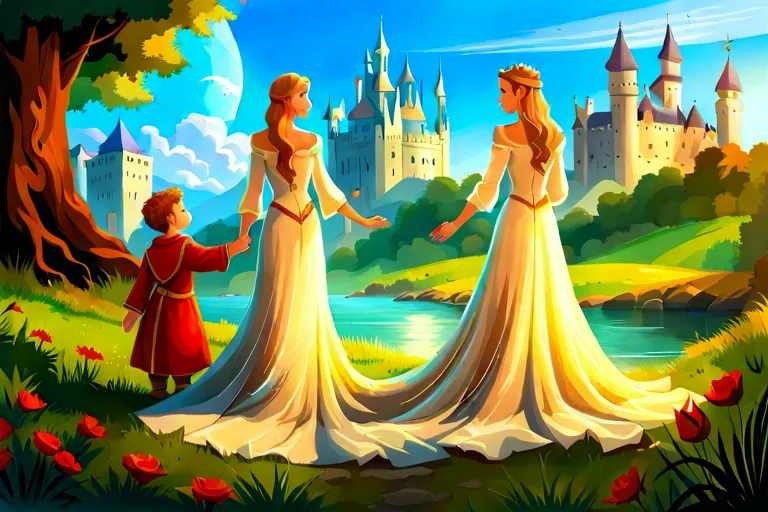
The Royal Family's Brave Battle

In a magical kingdom filled with talking animals and enchanted objects, a worried group from a neighboring land arrives at the border. King Henry, Queen Amelia, Prince Leo, and Princess Isabella protect their home without rushing into guesses, turning a tense misunderstanding into a plan for peace.

The Farmers Market Trio
Kid Adventures 11 minutes read

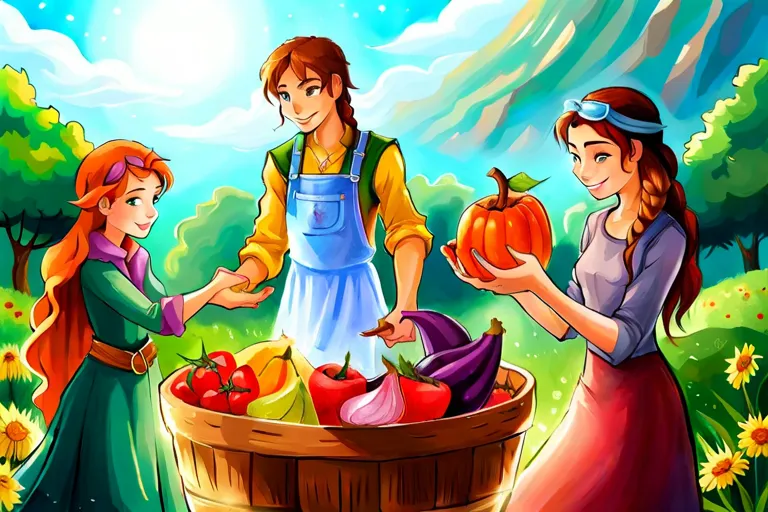
The Farmers Market Trio

Emma, Jack and Sarah are the best of friends. They love to make things and have decided to sell their homemade goods at the local farmers market. Emma makes cupcakes that are always a hit at school events, Jack creates handmade soaps and candles, while Sarah is talented in making beautiful flower arrangements.

Frequently Asked Questions

How do fairness stories for middle readers differ from those for younger children?

Fairness stories for middle readers tackle more complex situations with moral ambiguity rather than clear-cut right and wrong scenarios. They explore systemic fairness, competing rights, and situations where being fair requires difficult choices or personal sacrifice. The characters also face more realistic social dynamics that mirror what 8-12 year olds experience in their daily lives.

Can these stories help address bullying and exclusion issues?

Absolutely. Many of our fairness stories specifically address themes of inclusion, standing up for others, and recognizing when social dynamics become unfair. These narratives give children vocabulary and frameworks for identifying unfair treatment and empower them with examples of how to respond constructively. They're excellent tools for helping children become upstanders rather than bystanders.

Are these stories appropriate for classroom use?

Yes, these stories are ideal for classroom settings and align well with social-emotional learning curricula. They work beautifully for read-aloud sessions followed by group discussions, literature circles, or character education lessons. Many teachers use them to facilitate conversations about equity, justice, and ethical decision-making.

Explore More Collections