Bedtime Stories3 minutes read
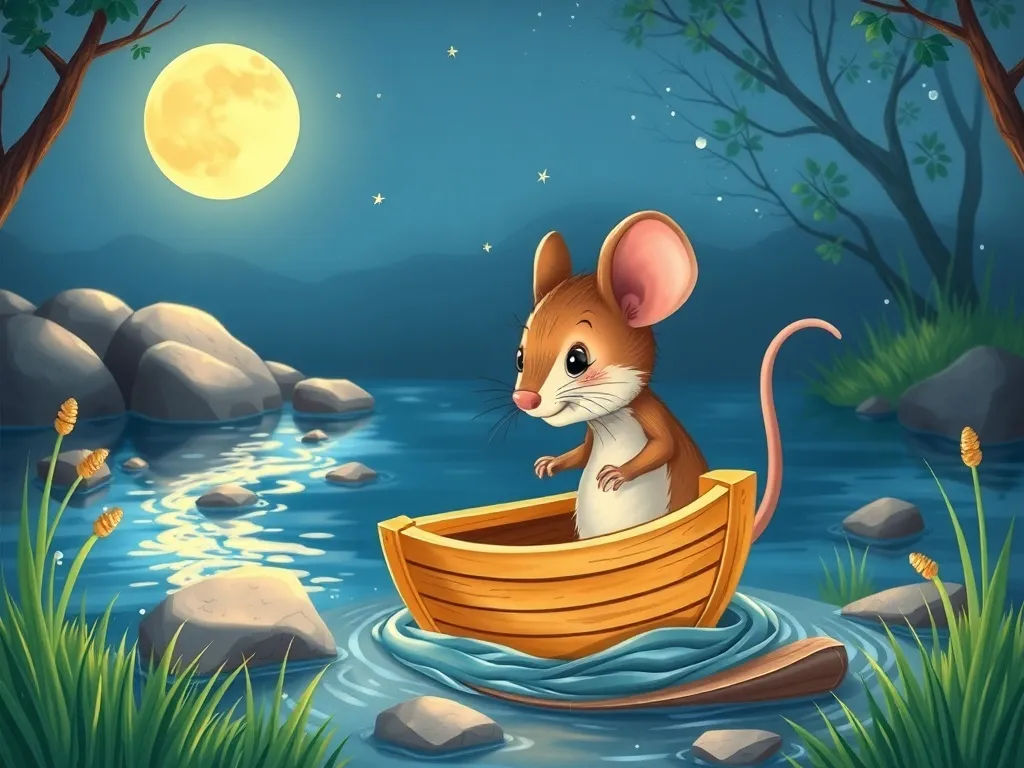
Moonbeam's Silver Boat
Moonbeam's silver boat cracks by accident, and a careful apology helps her and Rusty repair more than the little wooden boat.
Teaching forgiveness to preschoolers is one of the most valuable gifts we can offer young children as they navigate their first friendships and social interactions. Our collection of forgiveness stories for preschoolers is thoughtfully designed to introduce this important concept in ways that three to five year olds can truly understand and apply in their daily lives. At this age, children are just beginning to grasp that others have feelings too, and they're learning how their actions affect those around them. These stories use simple language, relatable characters, and age appropriate situations like accidental toy breaking, playground mishaps, and sibling squabbles to demonstrate what forgiveness looks like in action.
Each tale shows characters working through feelings of hurt or anger, choosing to forgive, and experiencing the warmth and relief that comes from letting go of upset feelings. What makes these stories especially effective for preschoolers is their focus on concrete examples rather than abstract concepts. Young children see characters saying sorry, accepting apologies, and moving forward together as friends. The narratives are short enough to hold a preschooler's attention during circle time or bedtime, yet meaningful enough to spark important conversations about emotions and relationships. Parents and teachers will find these stories invaluable for addressing conflicts as they arise, helping children understand that everyone makes mistakes and that forgiveness helps repair relationships.
The colorful illustrations and repetitive phrases support early literacy development while reinforcing the forgiveness message. Whether you're a parent looking to build emotional intelligence at home, a preschool teacher creating a compassionate classroom environment, or a caregiver supporting social development, these forgiveness stories provide the perfect starting point for raising kind, empathetic children who understand the healing power of forgiveness.
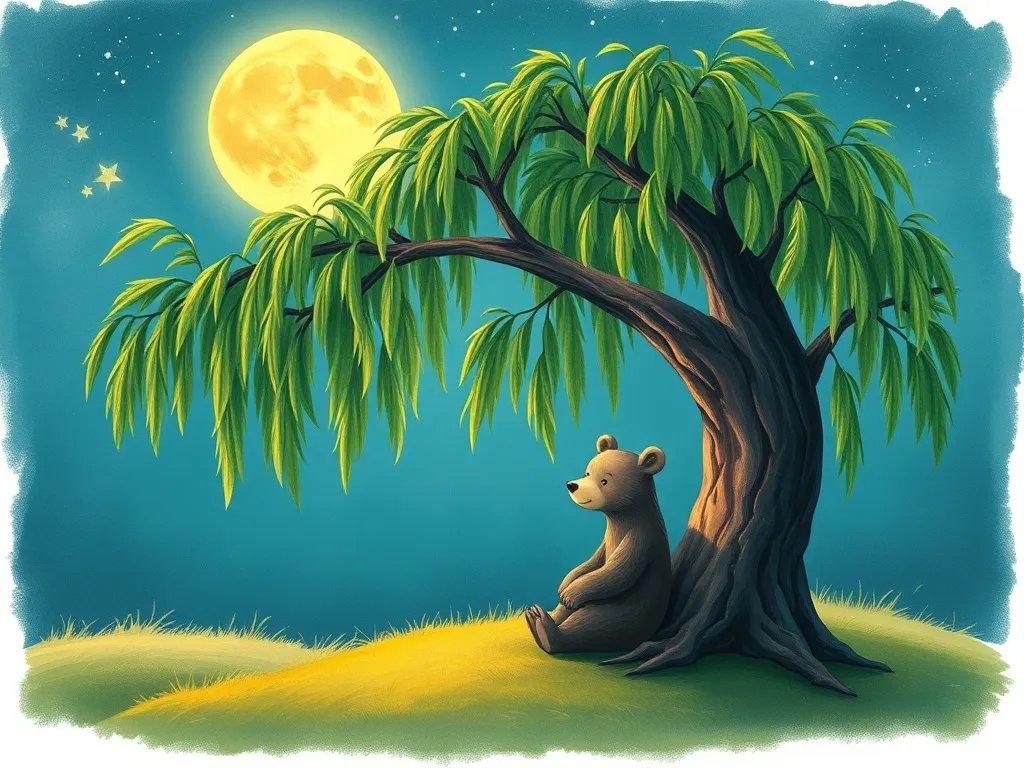
When Rabbit accidentally steps on Moon Bear's moon flower, Moon Bear follows Firefly to a heart garden and learns how making amends can help hurt feelings soften.
Moonbeam's silver boat cracks by accident, and a careful apology helps her and Rusty repair more than the little wooden boat.

Oliver Owl finds a silver thimble, hears an apology, and discovers that honest repair can make room for a new friendship.

Sleepy Bunny finds a small apology gift at her garden gate and remembers that one accident does not erase a good friendship.
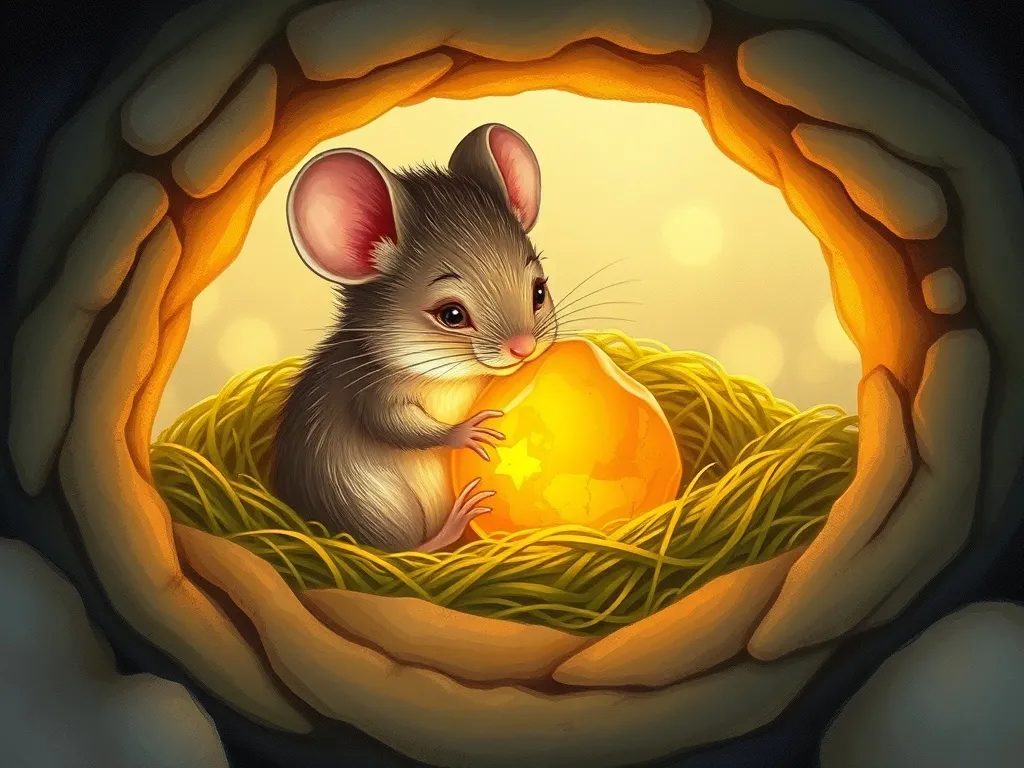
In a humming crystal cave, Dreamy feels hurt when Pip borrows her amber stone without asking, then finds a gentle way back to friendship.
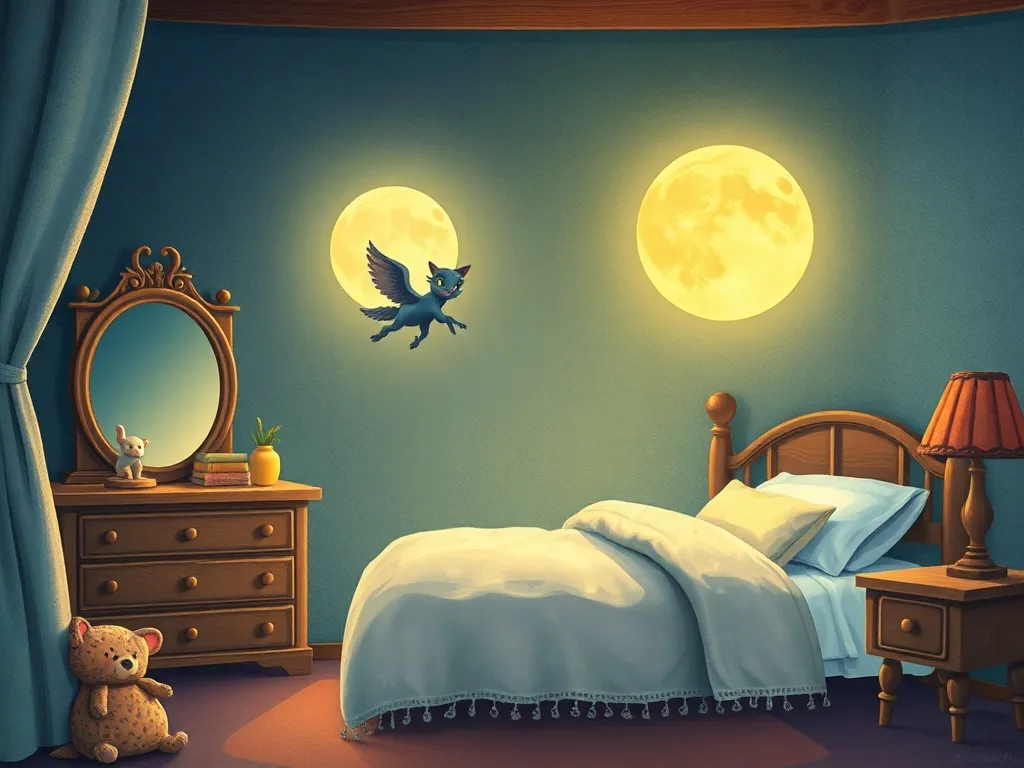
Luna the night fairy is wary of a new dust sprite, but a quiet misunderstanding helps her learn to listen, forgive, and share bedtime magic.

Luna mistakes Woody's special stones for ordinary rocks. When she sees how much they mean to him, she searches the stream for new treasures and learns how to make amends.

King Henry is usually gentle and fair, but a strange mirror spell makes him impatient and sharp with everyone around him. When the mirror shows him how his words have hurt the kingdom, Henry begins the hard work of apologizing, listening, and rebuilding trust.
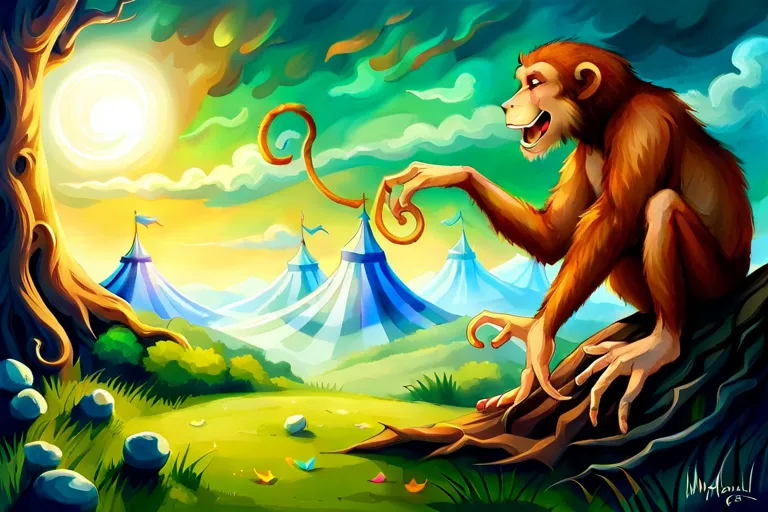
Max loves jokes, but his surprise pranks make his circus friends worry about missing props and unsafe messes. After one joke interrupts the finale, Max owns his mistake, helps fix it, and learns that safe jokes are funnier for everyone.
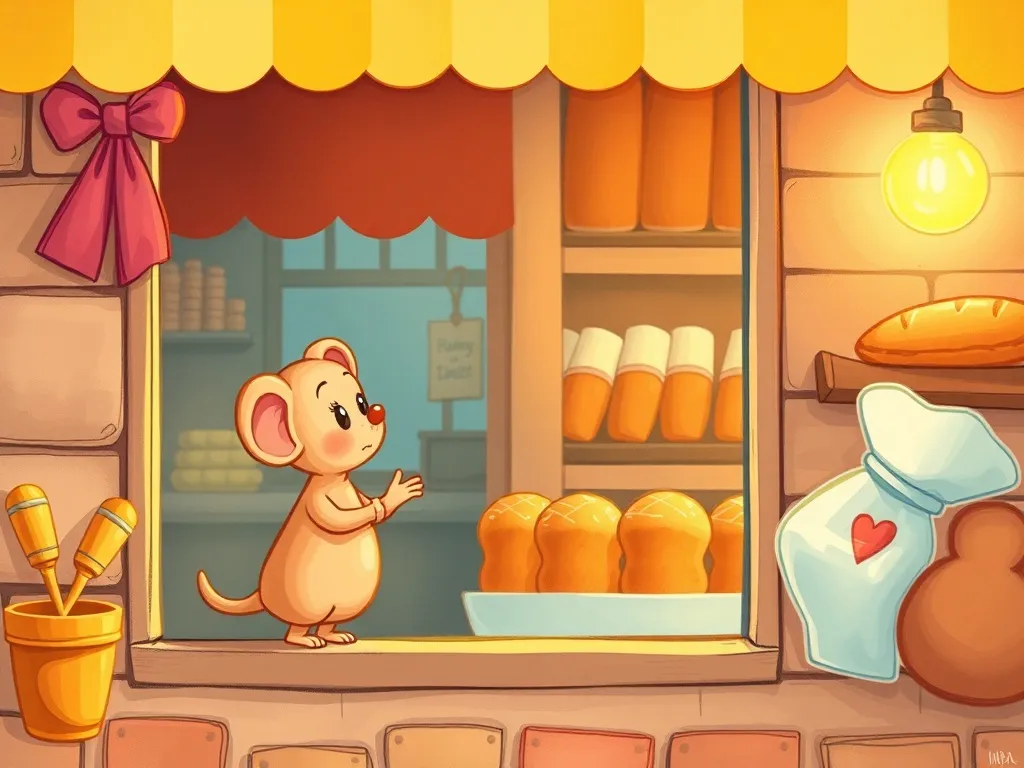
Penny the pig makes a mistake with a basket of pastries, then finds the courage to tell the truth and make things right with her friends.

Once upon a time, in a beautiful forest, there was a magical treehouse where all the animal friends used to play and have fun. One day, they found out that the key to their beloved treehouse was not on its hook.
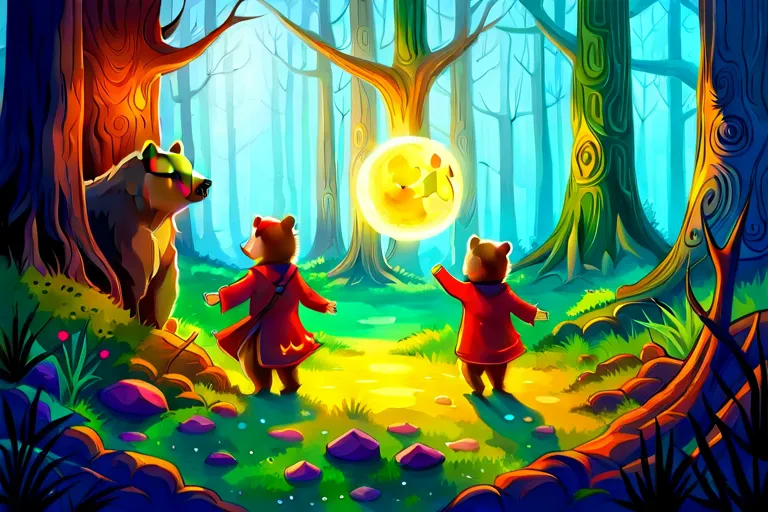
Once upon a time, in a beautiful forest, lived Mama Bear, Papa Bear, and Little Bear. They loved spending time together exploring the woods and having fun.
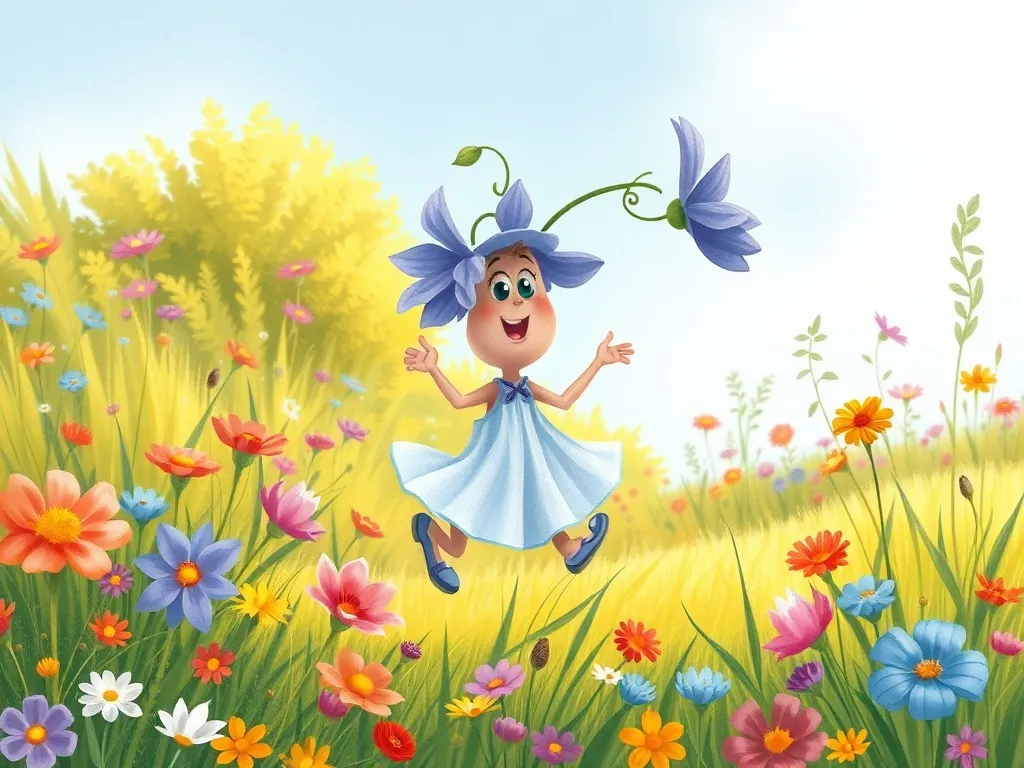
Bluebell the rabbit accidentally ruins Princess Meadowsweet's painted butterfly stones and tries to fix the mess by herself. With advice from Prairie Mouse, she gathers the courage to tell the truth.

Once upon a time, in a magical kingdom far away, there were playful fairy children who loved to surprise the grown-ups. One day, they discovered an enchanted garden full of strange paths, surprising magic, and choices that made them think before acting.

Sunny the golden retriever puppy meets the gentle Sky Giants who guard the spring skies and has to make things right after his playful choices cause trouble.
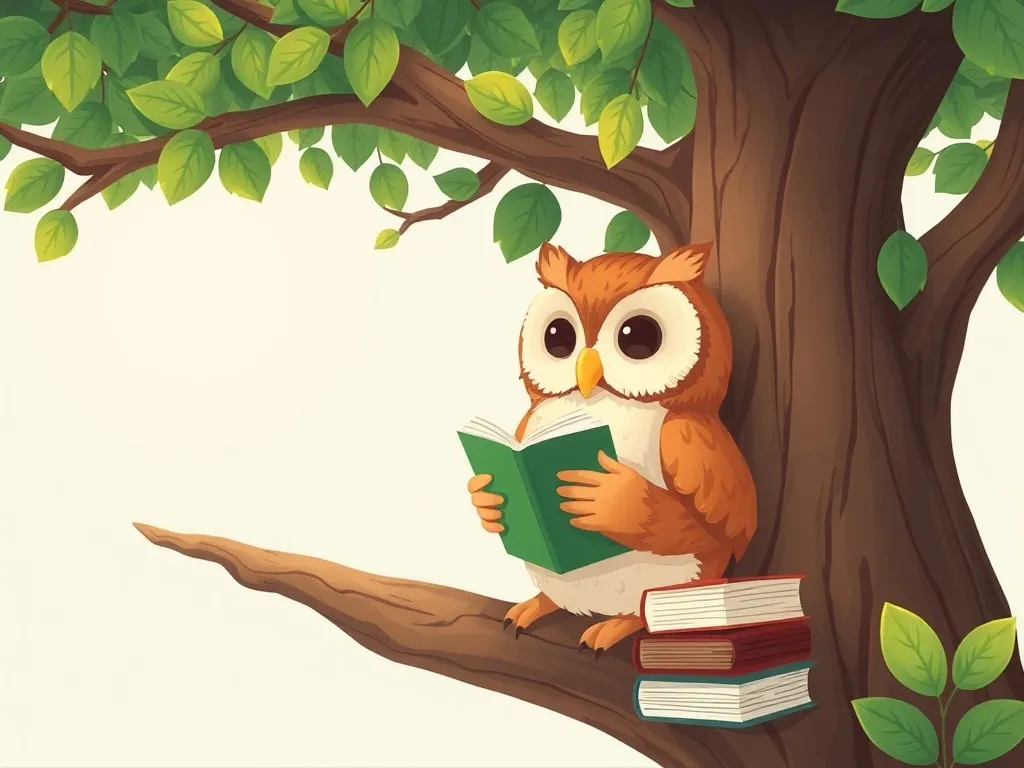
Professor Whoo teaches Midnight the black cat to read in his quiet tree library. When spilled ink hurts their friendship, an old diary helps the owl choose forgiveness and welcome Midnight back.
Not at all! While preschoolers are just developing empathy, they can absolutely grasp basic forgiveness concepts when presented through stories with concrete examples. They understand feeling hurt, saying sorry, and being friends again, which are the building blocks of forgiveness. Age appropriate stories make this abstract concept tangible and relatable for three to five year olds.
Read a forgiveness story shortly after a conflict occurs, or reference a story the child already knows by saying something like, 'Remember when Bunny forgave Fox? Can you forgive your friend too?' Stories provide a neutral way to discuss feelings without putting children on the defensive. They also give children a script and model for how to handle similar situations in their own lives.
Reading forgiveness stories once or twice a week helps reinforce the concept without overwhelming young children. It's also helpful to read them situationally when conflicts arise or when you notice your child struggling with hurt feelings. Regular exposure helps preschoolers internalize forgiveness as a natural part of relationships and problem solving.