The Strongman and the Ringmaster
When the ringmaster drops his notes before the show, the strongman steps in to help without making a fuss. Their small moment of teamwork shows the whole circus how kindness can keep a busy day moving.
Welcome to our collection of gratitude stories specially crafted for kindergarteners! These delightful tales are designed to help five and six year olds discover the joy of being thankful for the people, things, and experiences in their lives. At this important developmental stage, children are beginning to understand their place in the world and how their actions affect others. Our gratitude stories provide the perfect foundation for developing this essential life skill in a way that feels natural and engaging for young learners. Each story in this collection features relatable characters and situations that kindergarteners encounter in their daily lives. Whether it's being thankful for a parent's help, appreciating a friend's kindness, or recognizing the value of simple pleasures like a sunny day or a favorite toy, these narratives help children identify moments worth celebrating.
The stories use age-appropriate language, colorful imagery, and gentle lessons that resonate with kindergarten-aged minds without feeling preachy or overwhelming. What makes these gratitude stories particularly valuable is how they connect emotional awareness with social development. As children follow characters who learn to say thank you, recognize others' efforts, or appreciate what they have, they're building empathy and positive thinking patterns that will serve them throughout their lives. These stories also support kindergarten curriculum goals around social-emotional learning and character development. Parents and teachers will find these stories perfect for bedtime reading, classroom circle time, or teachable moments when gratitude lessons are needed.
Each story is brief enough to hold a kindergartener's attention while being rich enough to spark meaningful conversations about thankfulness. By regularly sharing these stories with your young learners, you're helping them develop a grateful mindset that can lead to greater happiness, stronger relationships, and a more positive outlook on life.

Tilly the sea turtle explores near the shore and learns how beaches change at night. She watches trained turtle volunteers keep a safe distance from nests, guide people away from marked areas, and protect the beach with quiet care.
When the ringmaster drops his notes before the show, the strongman steps in to help without making a fuss. Their small moment of teamwork shows the whole circus how kindness can keep a busy day moving.
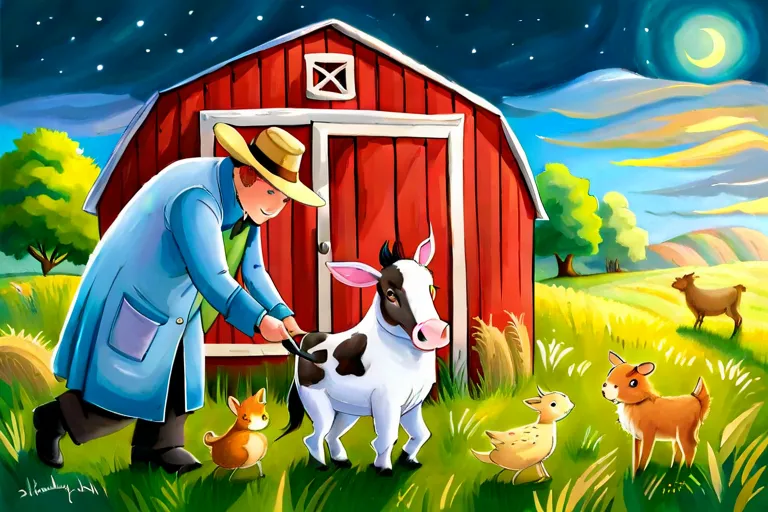
Harvest morning gets tricky when Farmer John's tractor will not start. While the mechanic checks the machine, the animals help with the jobs they can do safely: finding fallen apples, carrying small seed packets, and keeping the yard tidy.
"Farmer John's Big Birthday Surprise" is a heartwarming story about a group of farm animals who plan a special surprise for their kind farmer on his birthday. From baking him a hay cake to taking him on a horseback ride, the animals show how small acts of kindness can make a day brighter.
Gratitude stories help kindergarteners develop emotional intelligence by teaching them to recognize and appreciate positive things in their lives. These stories build empathy, improve mood, and strengthen social connections by showing children how thankfulness affects both themselves and others. Regular exposure to gratitude concepts can also help reduce negative behaviors and increase overall happiness in young children.
Gratitude stories work wonderfully as part of a bedtime routine, helping children reflect positively on their day before sleep. They're also excellent for morning reading to set a positive tone, during meals to encourage thankful conversations, or any time your child needs a reminder about appreciating what they have. Many teachers use them during morning meetings or before special occasions like Thanksgiving.
Absolutely! These stories are specifically helpful for children who need gentle guidance about appreciation and recognizing others' contributions. The relatable characters and situations help children understand gratitude concepts without feeling criticized or lectured. Consistent exposure to these positive messages can gradually shift perspective and behavior in even the most challenging situations.