
Beach Tales3 minutes read
The Seashell Secret
Samantha and Max search for seashells at the beach. When counting shells turns into arguing, they slow down, follow their family's beach rules, and make one shared collection together.
Welcome to our collection of sharing stories specially designed for kindergarteners! At ages five and six, children are navigating the important social skill of sharing in increasingly complex ways. Whether it's taking turns on the playground, dividing snacks with friends, or sharing attention from teachers and parents, kindergarteners face daily opportunities to practice generosity and cooperation. Our carefully curated stories make learning about sharing engaging and relatable through colorful characters, age-appropriate situations, and meaningful lessons that stick. These stories are crafted specifically for the kindergarten age group, featuring simple yet compelling narratives that hold attention while delivering important messages about sharing toys, time, space, and even feelings.
Each story uses vocabulary and sentence structures appropriate for emerging readers, making them perfect for read-aloud sessions at home or in the classroom. The characters in these tales encounter realistic scenarios that kindergarteners face every day, helping children see themselves in the stories and understand how sharing positively impacts friendships and communities. What makes this collection particularly valuable is its focus on the why behind sharing, not just the what. Children at this age are beginning to understand perspective-taking and empathy, and these stories gently reinforce how sharing makes others feel happy and strengthens relationships. Parents and teachers will find these stories useful for addressing common sharing challenges, from reluctance to let others play with favorite toys to learning how to share fairly in group activities.
Use these stories as conversation starters, teaching tools during circle time, or calming bedtime reads that reinforce positive values. Whether you're working through a specific sharing challenge or simply building character education into daily routines, this collection offers the perfect blend of entertainment and essential life lessons for your kindergartener.

Lucy and her dog Max bring a frisbee to the dog-friendly beach. Before sharing toys, Lucy checks with other owners, watches Max's signals, and helps the dogs play in a fair, safe way.
Samantha and Max search for seashells at the beach. When counting shells turns into arguing, they slow down, follow their family's beach rules, and make one shared collection together.

King Lionheart invites his animal friends to a castle supper, but more guests arrive than expected. With Owl's calm advice, the king turns the feast into a shared table where each guest adds something small and everyone has enough.

Lila is practicing with her acrobat troupe when she notices a hungry little monkey near the circus fence. Instead of treating him like a prop or a trick, Lila asks for help, gives him space, and learns how to respect a wild visitor with patience.

Buttons loves her patchwork ball and worries that sharing will spoil it. With Grandma Mouse's gentle help, she discovers that a favorite toy can bring friends together.
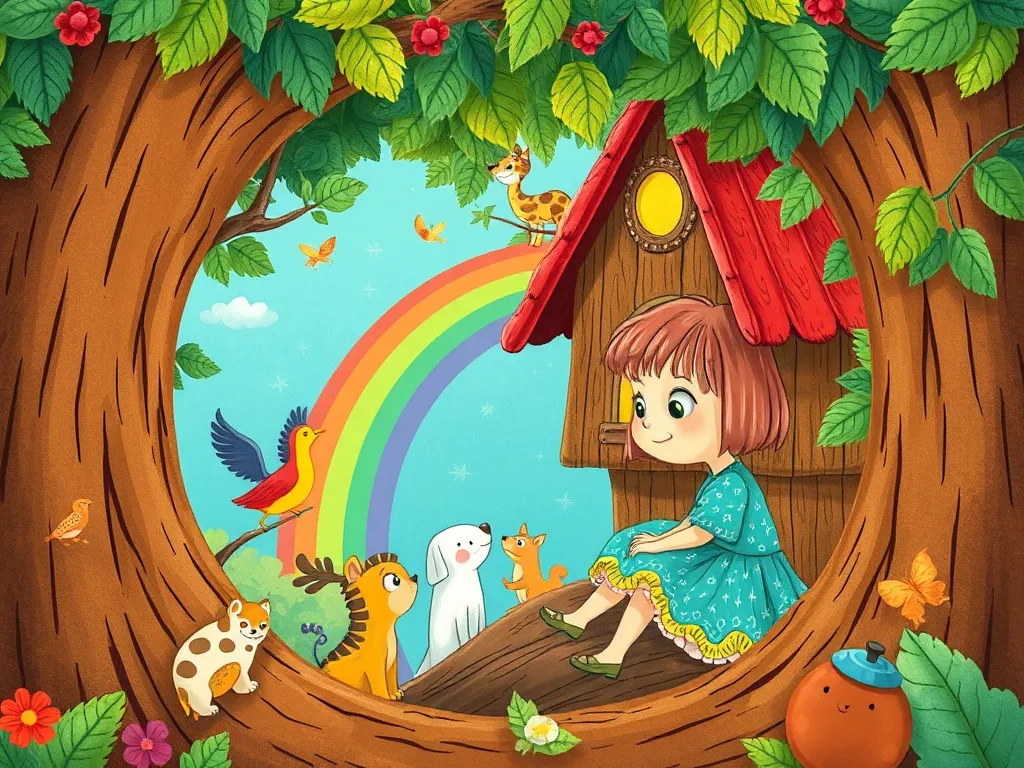
Pip loves her magical kaleidoscope and worries about sharing it. When she notices Lucy feeling left out, Pip learns that a treasured toy can become even brighter when it is enjoyed with a friend.

Crystal keeps her songs inside a quiet cave until a young rabbit asks for a comforting melody. When more neighbors add their voices, the cave fills with light and friendship.

Sparkle keeps her crystal stars close until a new group of friends invites her to play. When she shares one star kindly, the whole clearing fills with light.
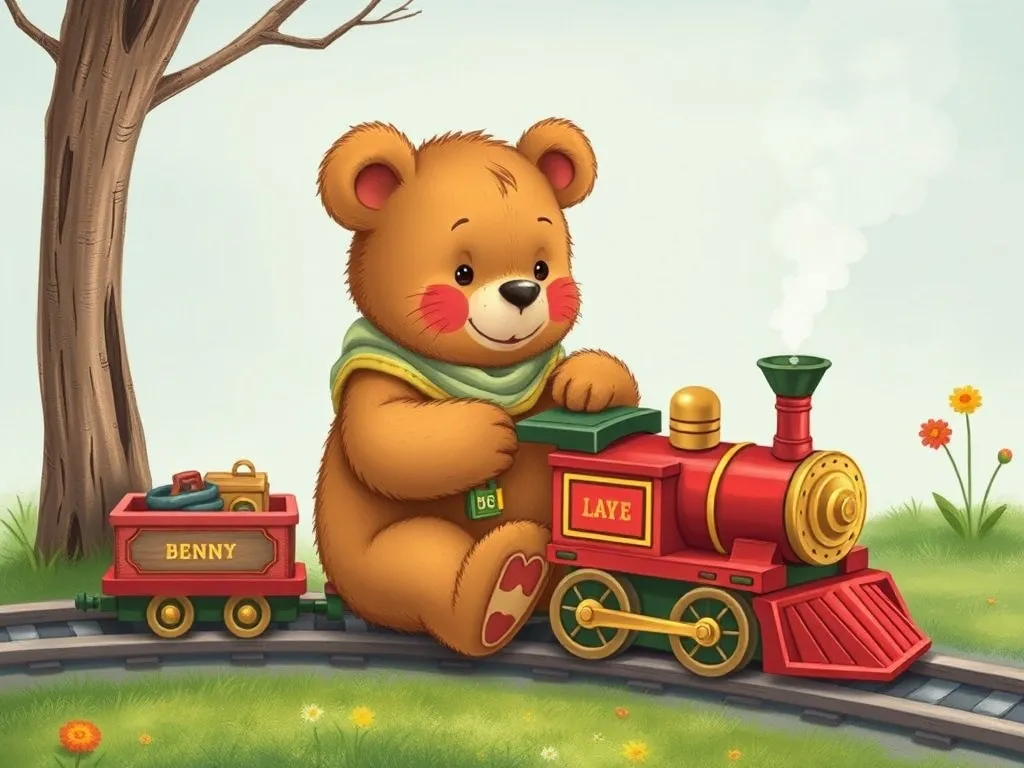
Benny Bear learns that sharing his toys leads to more fun and friendship than playing by himself. As he combines toys and ideas with new friends, ordinary garden games become brighter and more creative.
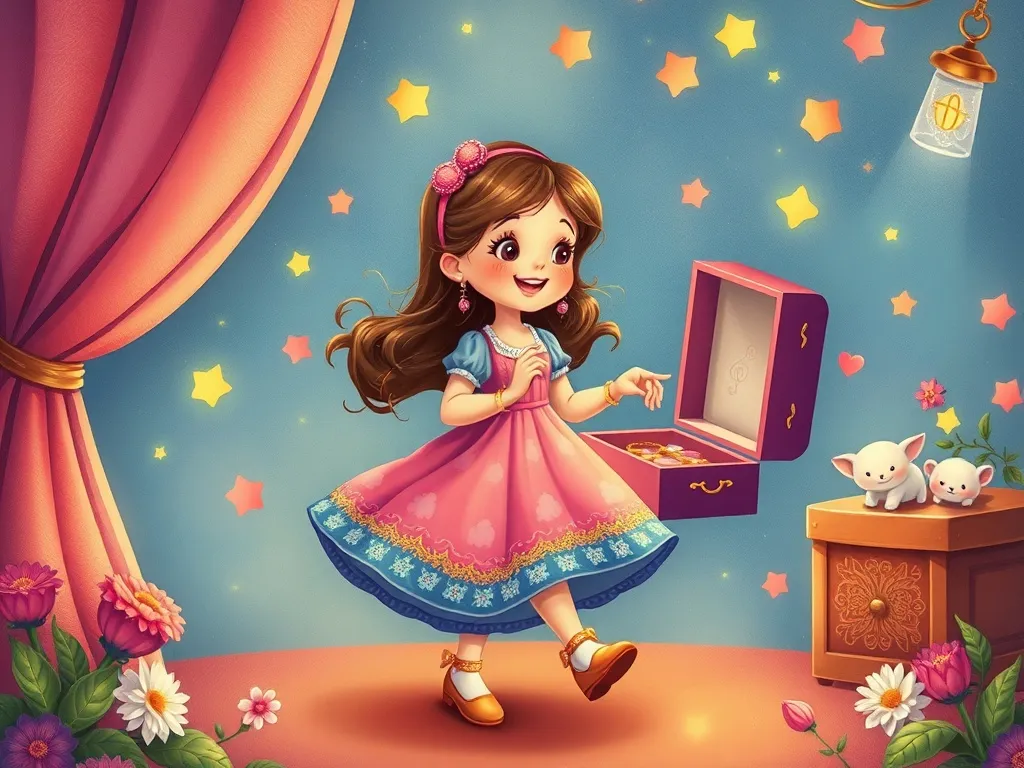
Melody loves her musical jewelry box, then a gentle make-believe adventure helps her see how sharing can make play feel brighter.
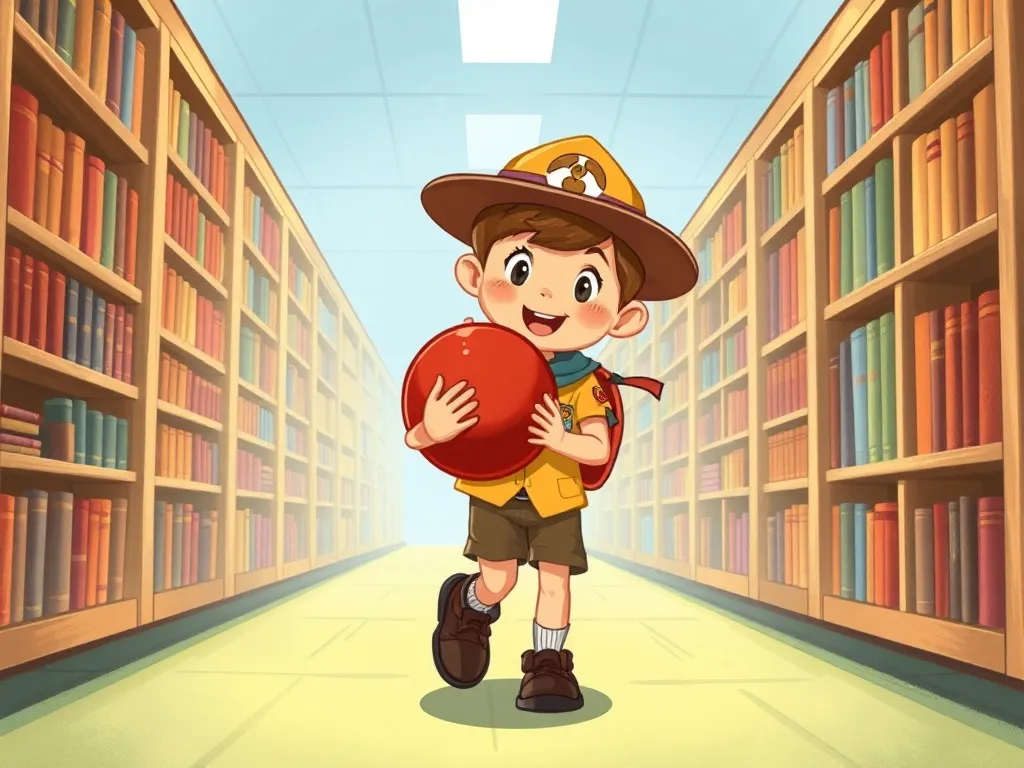
Scout loves his red ball, then discovers that sharing it with Milton makes their library play corner warmer and more fun.

Petal loves her flower-petal toys and worries they will be spoiled if she shares them. With help from Thistle and Mother Elm, she learns to set kind rules, invite friends in, and make playtime brighter for everyone.
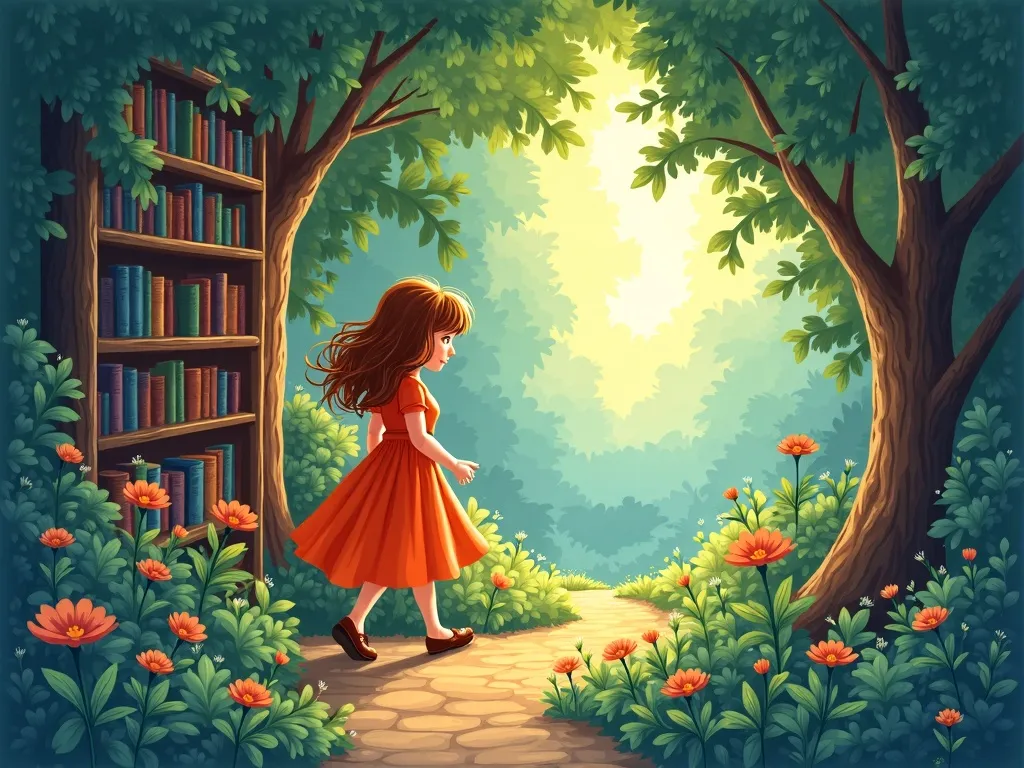
Eleanor brings her favorite red truck to the forest library every day. When Pip wants a turn, Eleanor practices sharing one toy at a time and discovers that trusted friends can add new stories to beloved things.
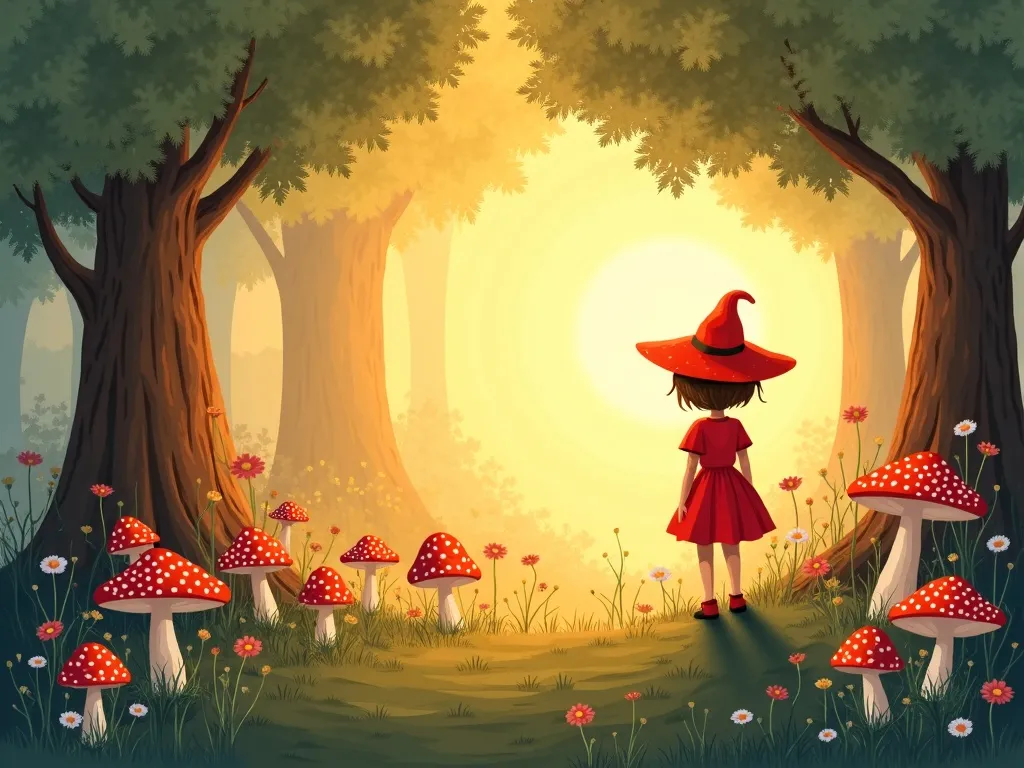
A shy forest elf learns that questions are not burdens to carry but gifts to share. A magical encounter and the wisdom of forest creatures help Pip become a confident knowledge-sharer who helps his woodland community grow wiser together.
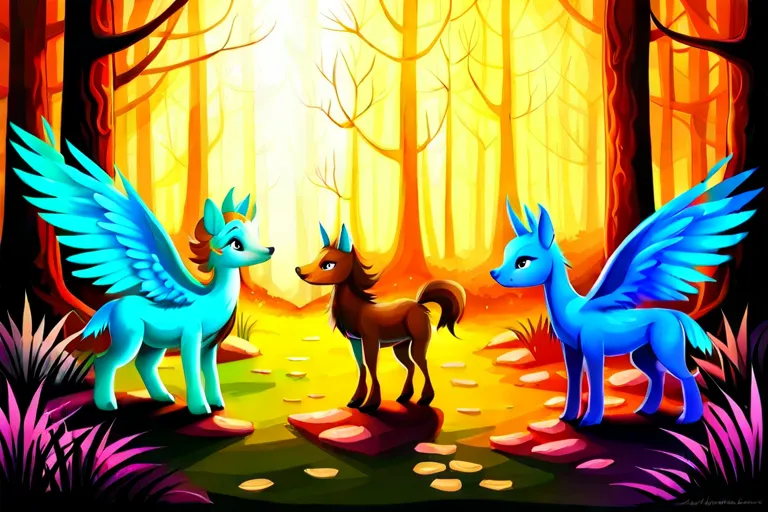
Once upon a time, in a beautiful forest, there lived a group of animal friends who loved each other dearly. They spent their days playing and exploring the wonders of nature together. However, when winter arrived and food became scarce, the animals began to worry about themselves and getting enough food to eat.

Once upon a time, in a cozy den tucked in the woods, lived Mama Bear, Papa Bear and their little cub. They had been sleeping for months but finally woke up from hibernation excited to see the great outdoors again. As they made their way back home, they found that their den had been taken over by some mischievous squirrels! Mama Bear tried talking to them about sharing nicely but they were not ready to listen.
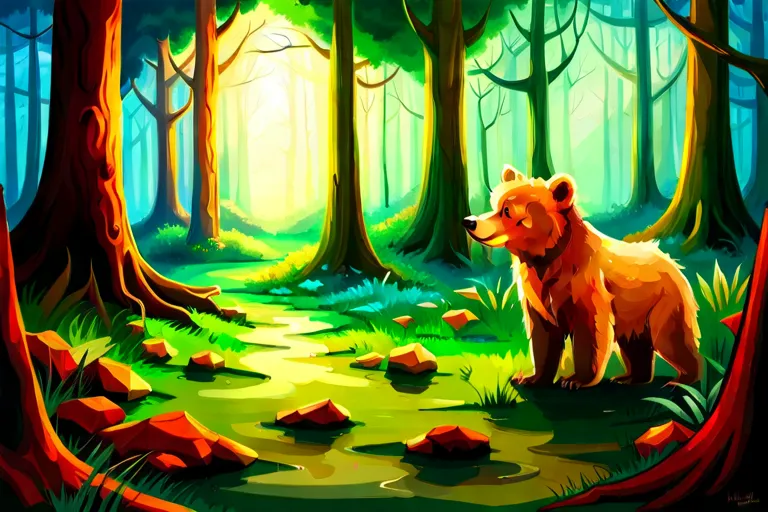
Once upon a time, in a beautiful forest, there lived a shy bear cub who loved to explore the woods and play by himself. However, he was always too worried to make friends with anyone else. One day while wandering around the forest, he met a talkative bird who showed him how much fun it could be to have friends.
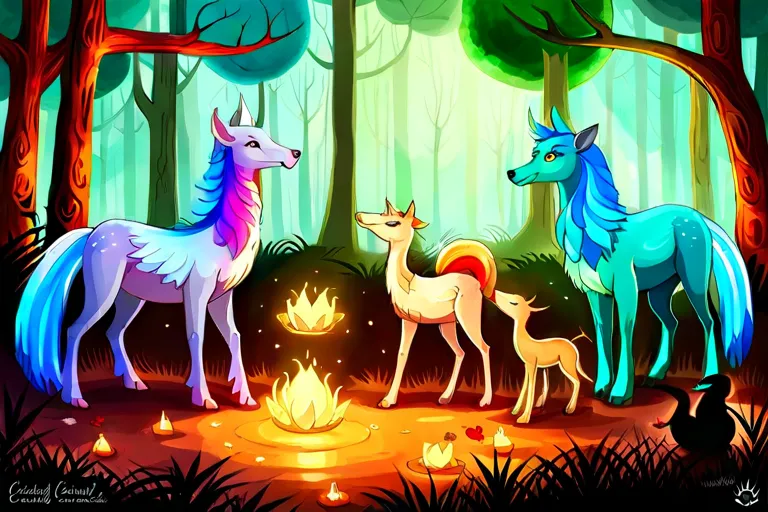
In a friendly forest, animal families prepare a feast to celebrate the changing seasons. Bears bake honey cakes, rabbits make carrot pies, foxes share roasted nuts, squirrels gather acorns, and birds bring music.
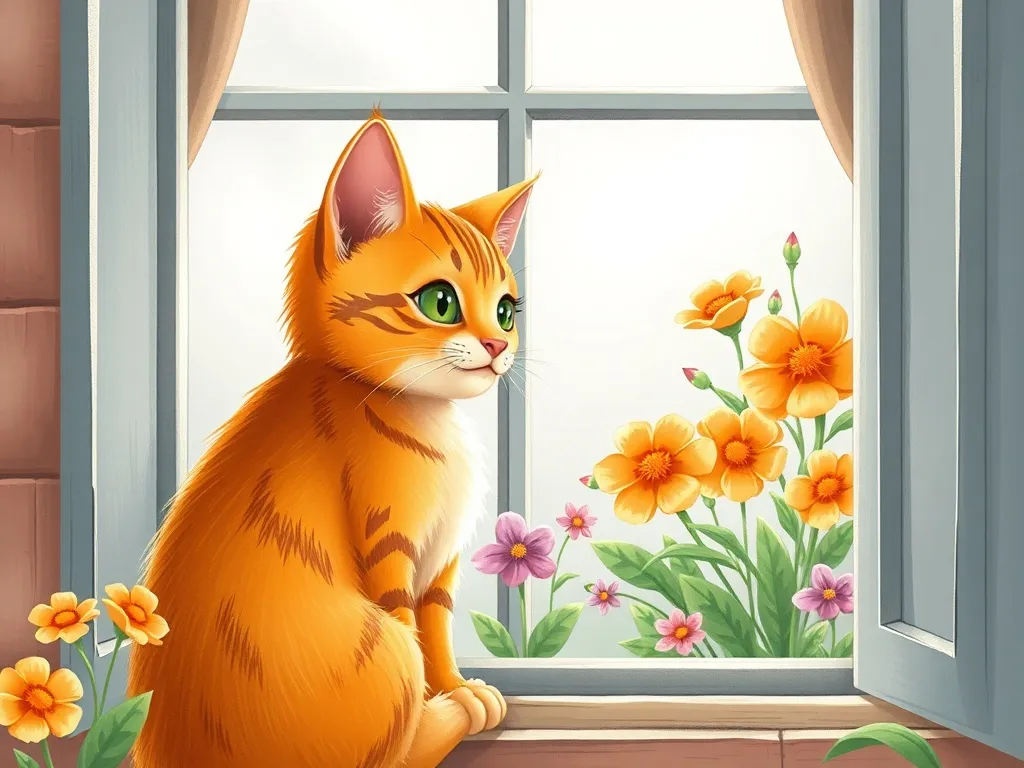
Whiskers the orange tabby follows a trail of petals and discovers how the prairie mice make their flower crowns. When she finds their hidden rainbow garden, she helps share its magic with the wider community.

Sam and Sally both think they know the beach best, so they start a scavenger contest. When wind, waves, and a caught ribbon get in the way, the two gulls discover that helping the shore feels better than keeping score.
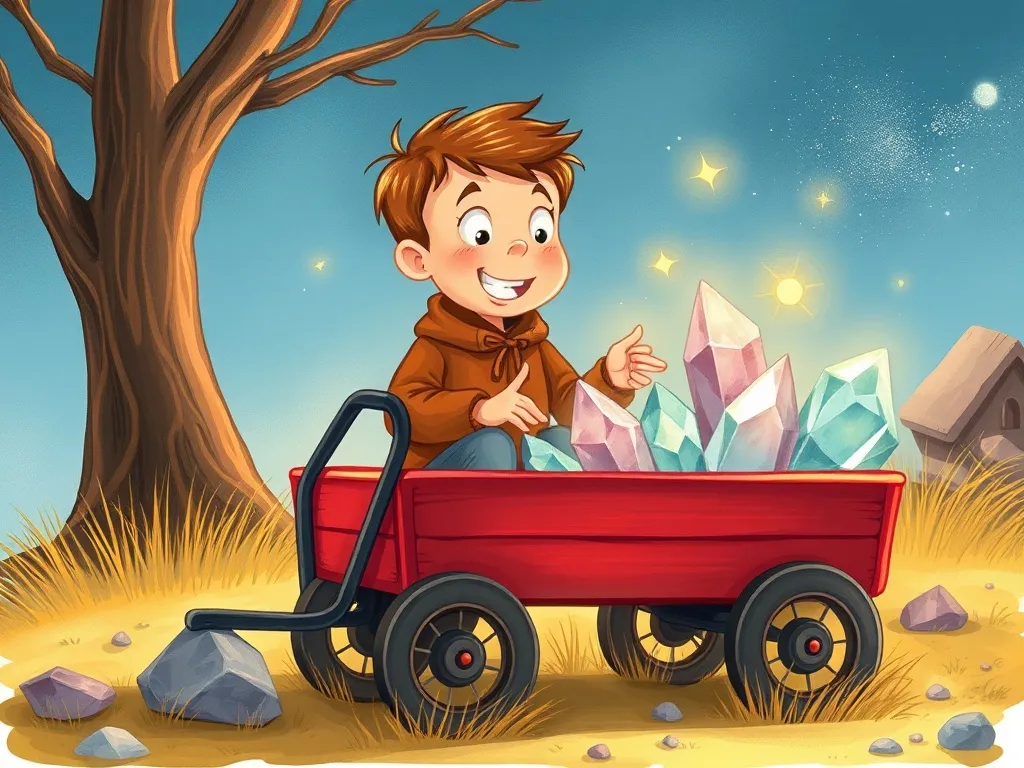
Bernie Bear keeps every glowing crystal he finds in his red wagon. When the crystals scatter and grow into flowers, he discovers that sharing can make a forest brighter for everyone.
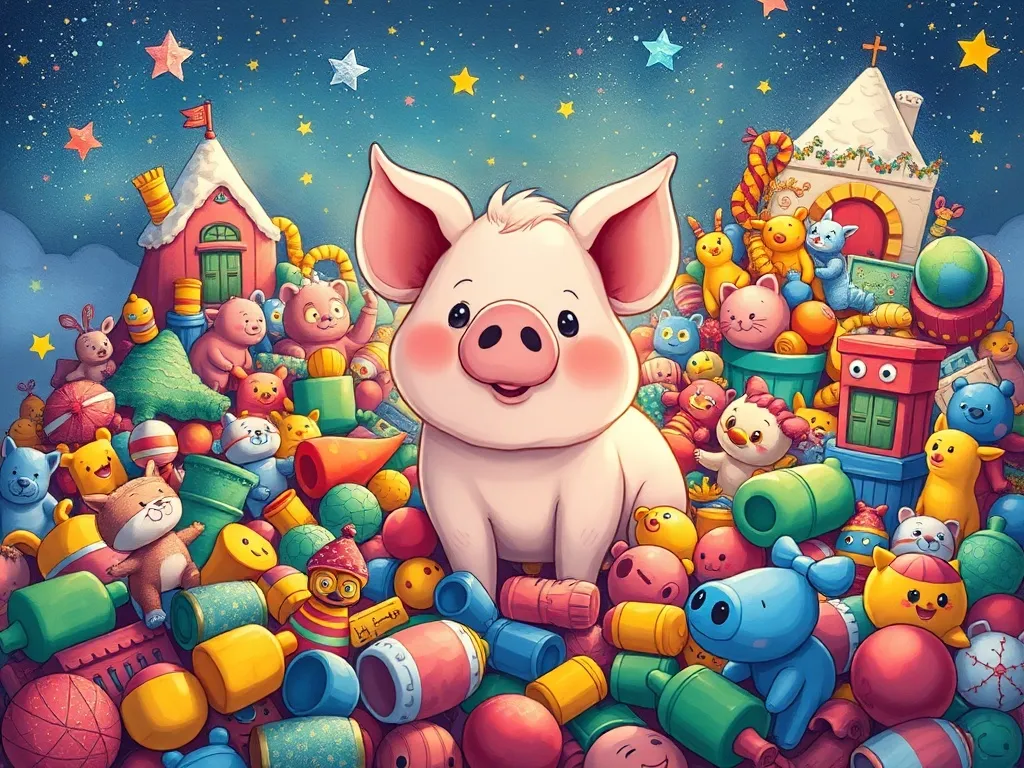
Pip the rabbit has many wonderful toys but does not want to share them. When a hidden garden and a wise owl help her see how much brighter play can be with friends, Pip learns to invite others in.
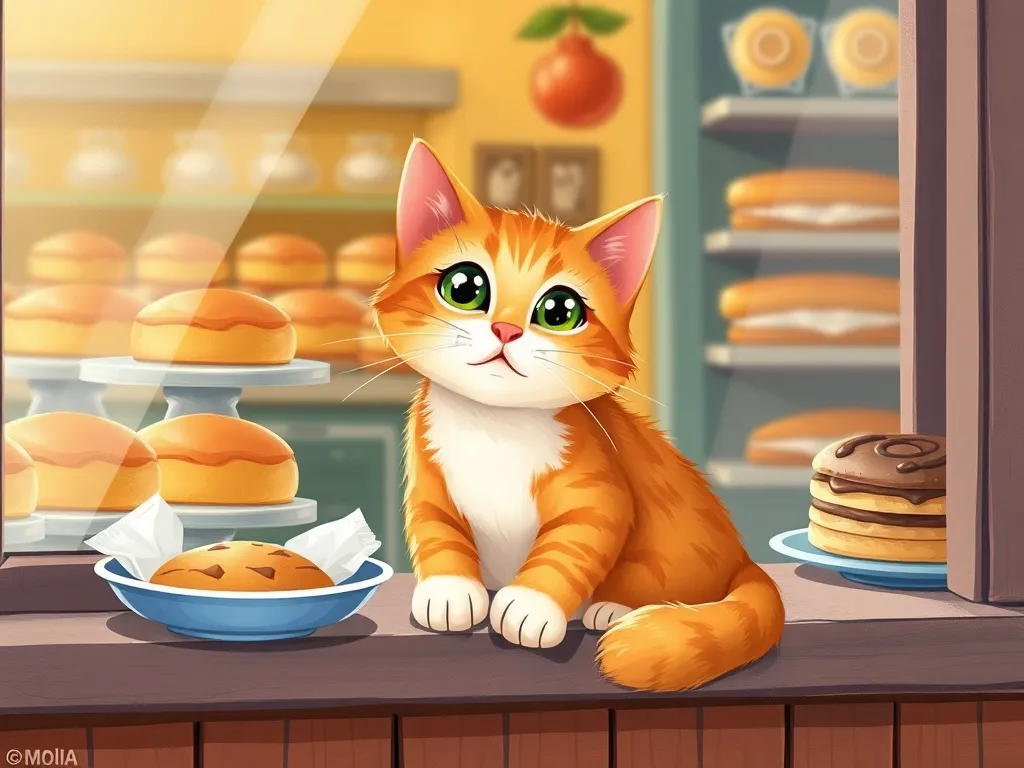
Marmalade the bakery cat follows silver sparkles to a hidden fairy kitchen and discovers that she is not the only one taking tarts without asking. Together, cat and fairies learn to be honest, ask permission, and make things right.

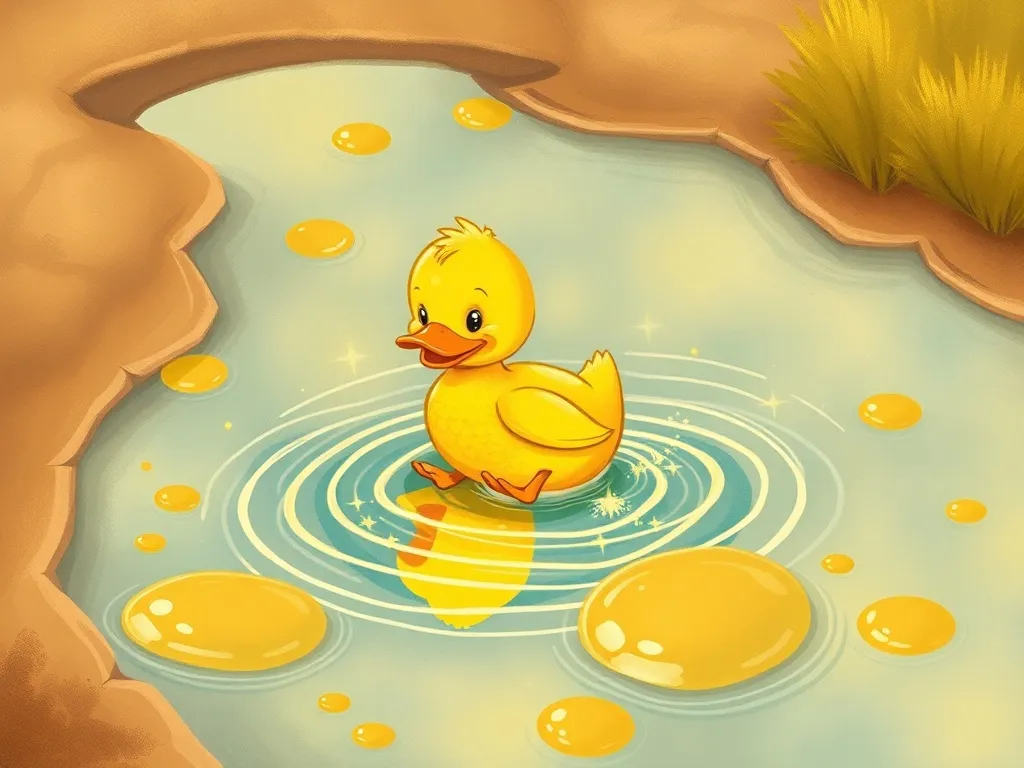
Waddles loves keeping his floating toys lined up neatly, just for himself. When he begins sharing them at the pond, his windowsill fills with signs of friendship as well as toys.
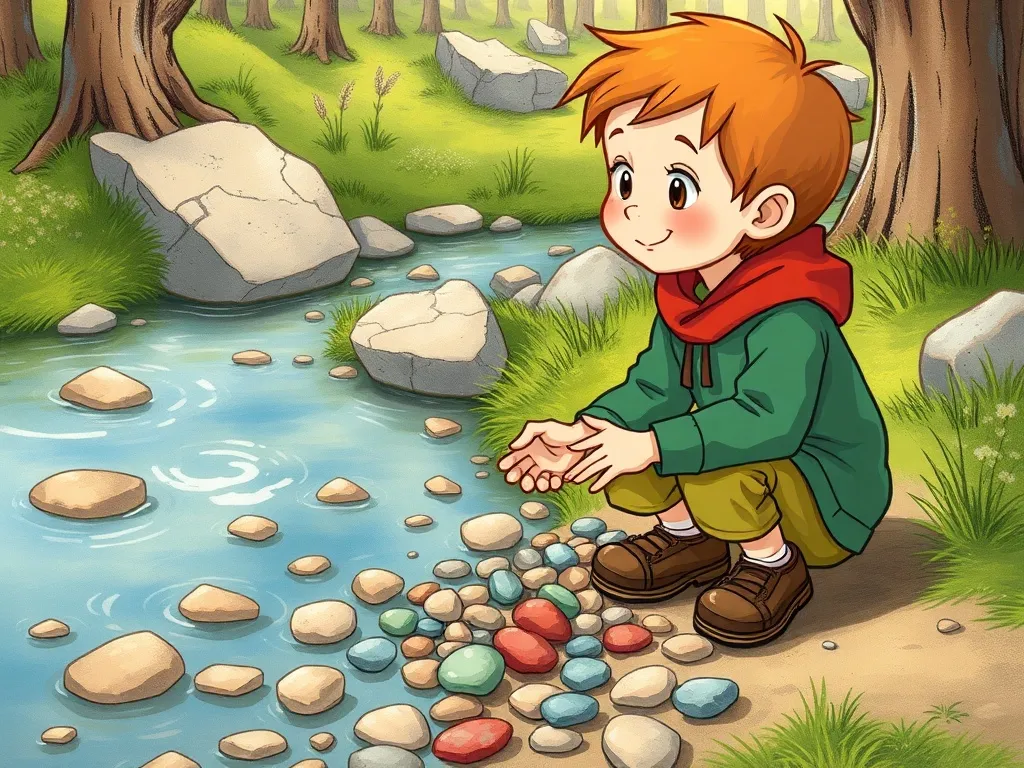
Bruno loves arranging shiny pebbles beside his stream. When playful mermaids use the stones in their games, he learns how sharing can make a favorite treasure even more fun.
Waddles finds a gentle sky giant sitting on the Rainbow Bridge with one toy boat and many worries. A sharing circle helps the giants turn the bridge into a friendly place to play.

Luna loves the light shows from her crystal ball, but sharing them makes the magic brighter. Her firefly friends, Hopscotch, and Mr.
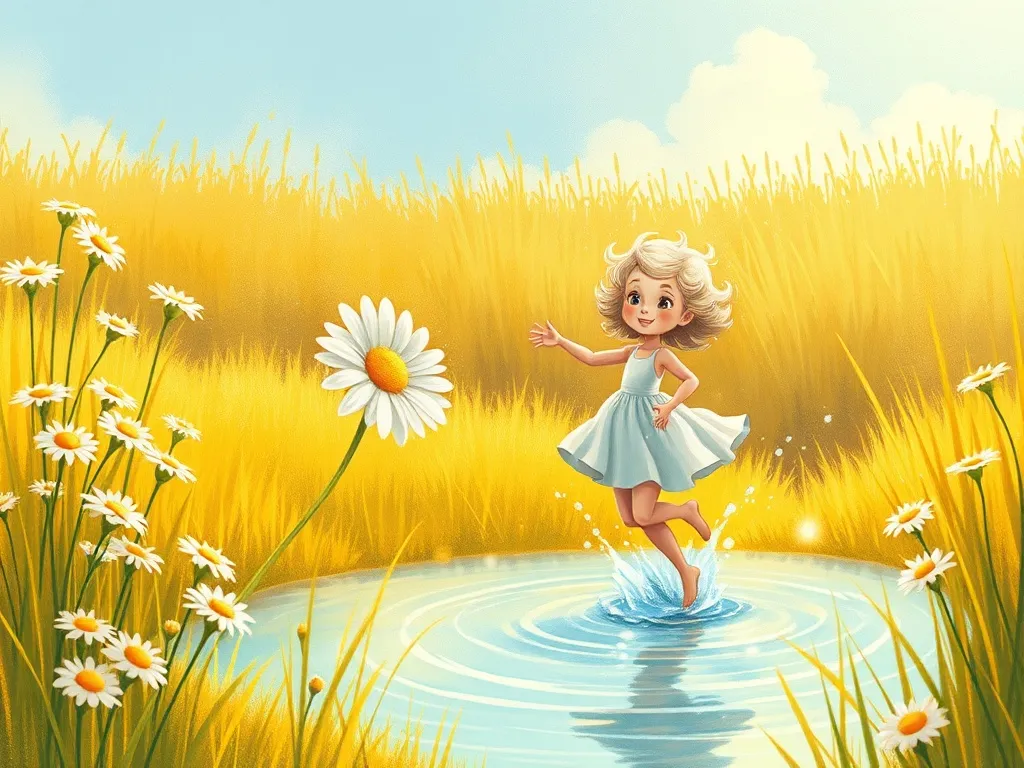
Daisy loves loud water games, while Crystal the frost phoenix prefers quiet magic. When they listen to each other, water and frost become a rainbow bridge game everyone can share.

Buddy the puppy finds a special ball and enchanted stones by a magical stream, then discovers that the game becomes brighter when his friends join in.
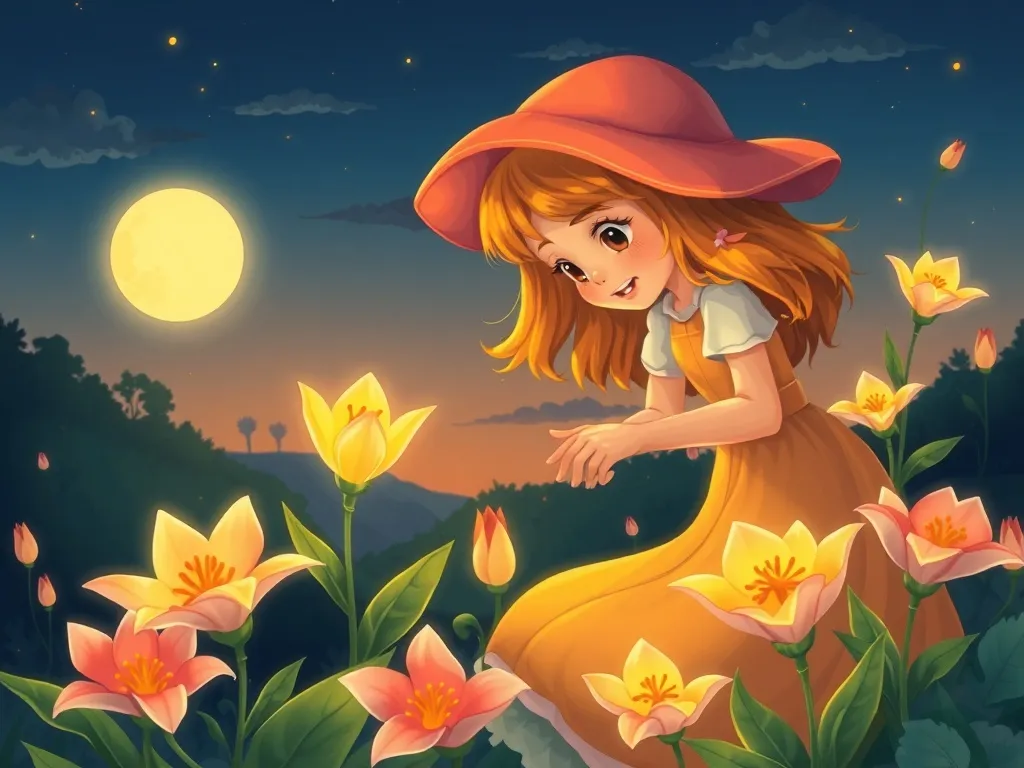
Lily Petaldew wants to join the moonlight dances but feels too shy to begin. Mistwhisker and Froghopper help her learn the steps, and her glowing moonflowers make the full-moon circle shine.

Tommy Squirrel guards his favorite acorn collection and keeps away from the other woodland creatures. When a storm scatters his treasures, Oliver the Owl and the forest friends help Tommy see what sharing can open up.
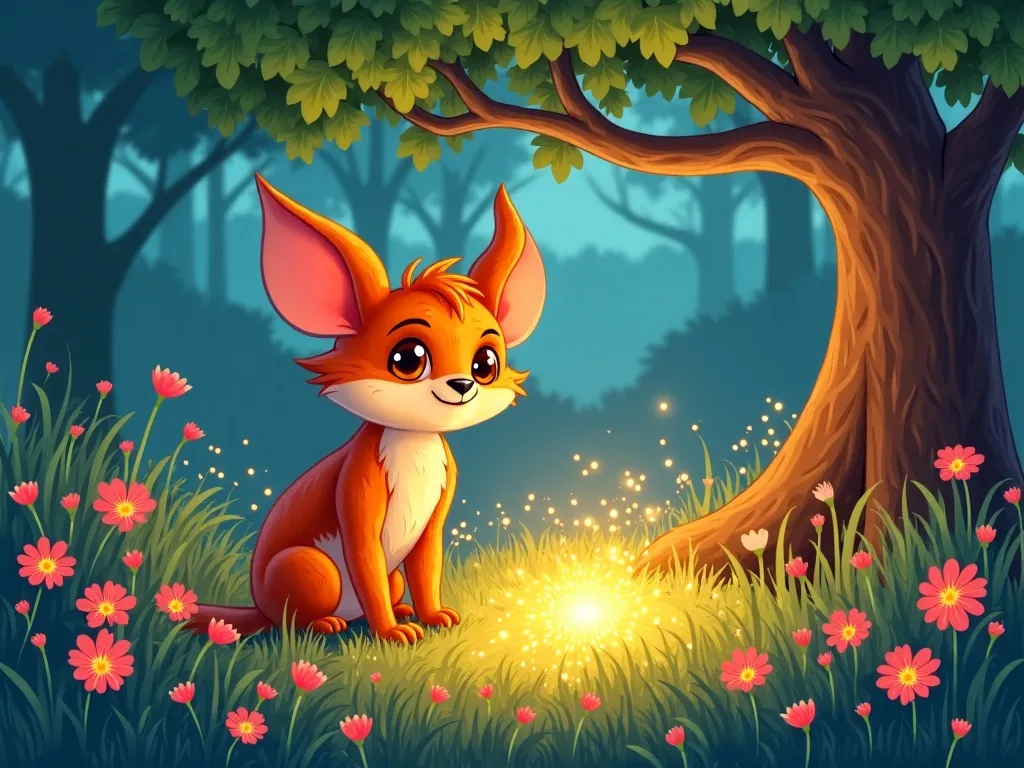
A gentle dragon named Petals, who breathes flower petals instead of fire, must practice feeling steady enough to participate in the Flying Festival. With the help of his friends Ruby the robin and Elder the wise oak tree, he discovers that being brave can lead to sharing his gift in beautiful new ways.
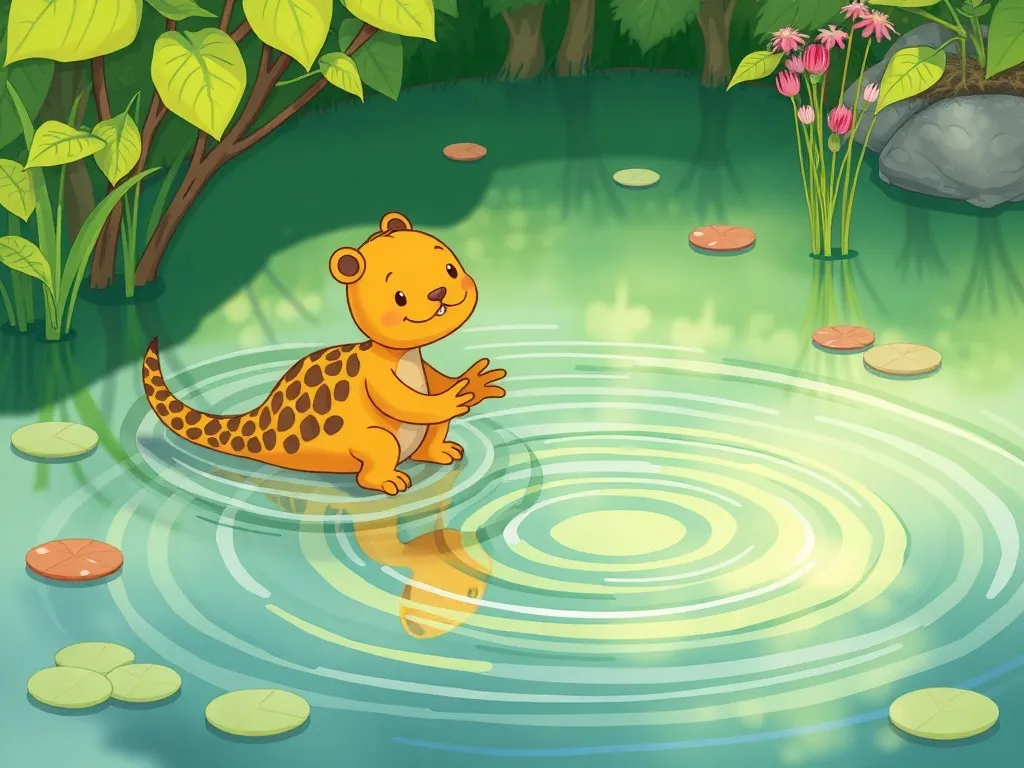
Tiko dreams of becoming a crystal music wizard, but his strong trunk keeps knocking the cave crystals out of tune. Master Shimmer helps him turn mistakes into a joyful kind of music all his own.
Stories provide a safe, non-threatening way for children to observe sharing behaviors and their positive outcomes without feeling directly criticized. When children see characters successfully navigate sharing challenges, they internalize these lessons and are more likely to apply them in real situations. Reading these stories regularly helps normalize sharing as an expected, rewarding behavior that makes friendships stronger and playtime more fun.
Absolutely! These stories are perfect for circle time, literacy centers, or addressing specific classroom sharing issues as they arise. The age-appropriate vocabulary and relatable scenarios make them excellent discussion starters for social-emotional learning. Teachers can use them to reinforce classroom expectations around sharing materials, space, and taking turns during activities.
While toddlers and preschoolers benefit from simpler sharing stories, kindergarten age is ideal for more nuanced lessons about fair sharing, cooperation, and understanding others' feelings. At five and six years old, children have developed enough empathy and self-regulation to truly grasp why sharing matters beyond just following rules. These stories build on earlier lessons while introducing more complex social situations kindergarteners encounter.