The Brave Knight and the Shy Servant
Sir Cedric and Thomas from the castle kitchens enter a shifting forest with a pencil, a map, and a packet of rolls. Thomas notices what Cedric misses, and both friends find their way home.
Acceptance stories for middle readers offer a powerful way to help children ages 8 to 12 navigate the complex social landscapes they encounter daily. At this pivotal age, young people are developing their identities while learning to appreciate differences in others, making stories about acceptance especially valuable. Our collection features narratives that explore accepting oneself, embracing diversity, welcoming newcomers, and showing compassion toward those who may look, think, or act differently. These stories go beyond simple lessons to present realistic scenarios that middle readers can relate to, from dealing with peer pressure to standing up for classmates who face exclusion.
Each tale has been carefully selected to spark meaningful conversations about empathy, tolerance, and the strength found in diversity. The characters in these stories face genuine challenges that mirror real-world situations, whether it's learning to accept a new family structure, befriending someone from a different culture, or coming to terms with personal differences. What makes this collection particularly special is its age-appropriate complexity. Unlike simpler stories for younger children, these narratives acknowledge the nuanced emotions and social dynamics that middle readers experience. They tackle themes like body acceptance, cultural identity, learning differences, and family diversity with sensitivity and depth.
Parents and teachers will find these stories excellent starting points for discussions about respect, inclusion, and celebrating what makes each person unique. The educational value extends beyond character development, as many stories naturally incorporate diverse perspectives and experiences that broaden young readers' worldviews. Whether used in the classroom to support social-emotional learning curricula or enjoyed at home as part of bedtime reading, these acceptance stories provide middle readers with both mirrors to see themselves and windows to understand others better.

At beach camp, Timmy, Sarah, and Alex learn that games work best when everyone gets a useful role. Their team changes the rules, listens to each camper, and finishes the final challenge together.
Sir Cedric and Thomas from the castle kitchens enter a shifting forest with a pencil, a map, and a packet of rolls. Thomas notices what Cedric misses, and both friends find their way home.
Lily from the village and Prince William follow clues across both sides of the castle wall. Missing bells, ribbons, and carrots lead them to a pony who needs help, not punishment.
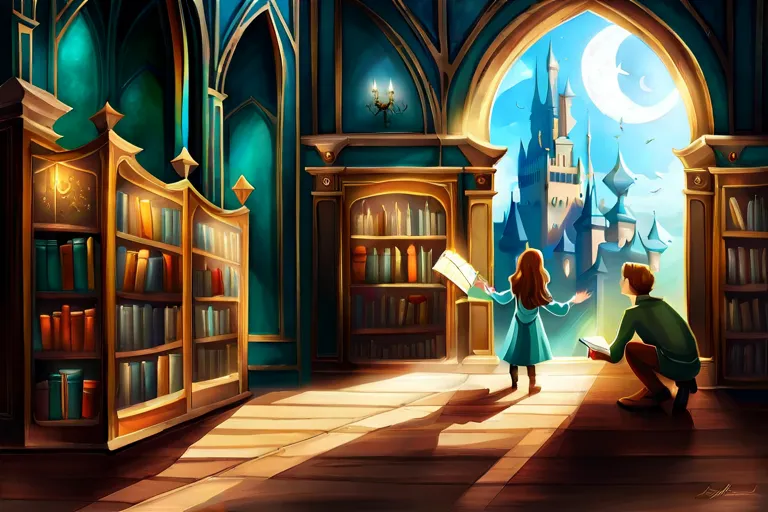
Curious children discover a hidden castle library where books open doors to other times and places. Each visit gives them a chance to listen, ask careful questions, and bring one respectful detail back to their own world.
Mr. Poppins arrives at castle school with fraction pies, sentence cards, and a puppet theater.
Near a castle village, children spot an injured young dragon at the edge of the woods. They call the grown-ups, help from a safe distance, and discover that careful kindness can change how a whole village sees its dragon neighbors.
Sophie loves the circus and dreams of joining the show. With thoughtful coaching, supportive friends, and an adapted routine that highlights her own strengths, she finds a way to perform with confidence.
After a dazzling circus show, several children meet the ringmaster at a public question table and learn his secret: he comes from another planet. He invites them into a simulator that shows space travel, teamwork, and the importance of asking before exploring.
Sammy loves the woods behind his small-town home. When his family moves to the big city, he worries about starting a new school where he does not know anyone.
Three close friends, Lily, Max, and Zoe, spend a day downtown together. They visit a museum, play at the park, share pizza, listen to stories at the library, and discover that each friend's favorite thing can make the day better for everyone.
Once upon a time, in a faraway kingdom, there was an old castle that people said was haunted. A group of children visited with the castle caretaker and met Prince Casper, a quiet ghost who wanted someone to hear his story.
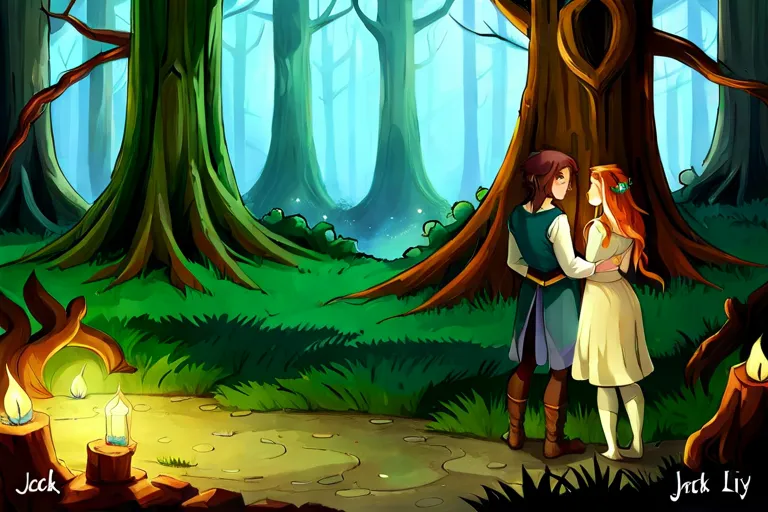
Jack and Lily are siblings who love to go on adventures together. One day, while walking in the woods with their aunt, they discover an old treehouse that is home to a friendly family of trolls.
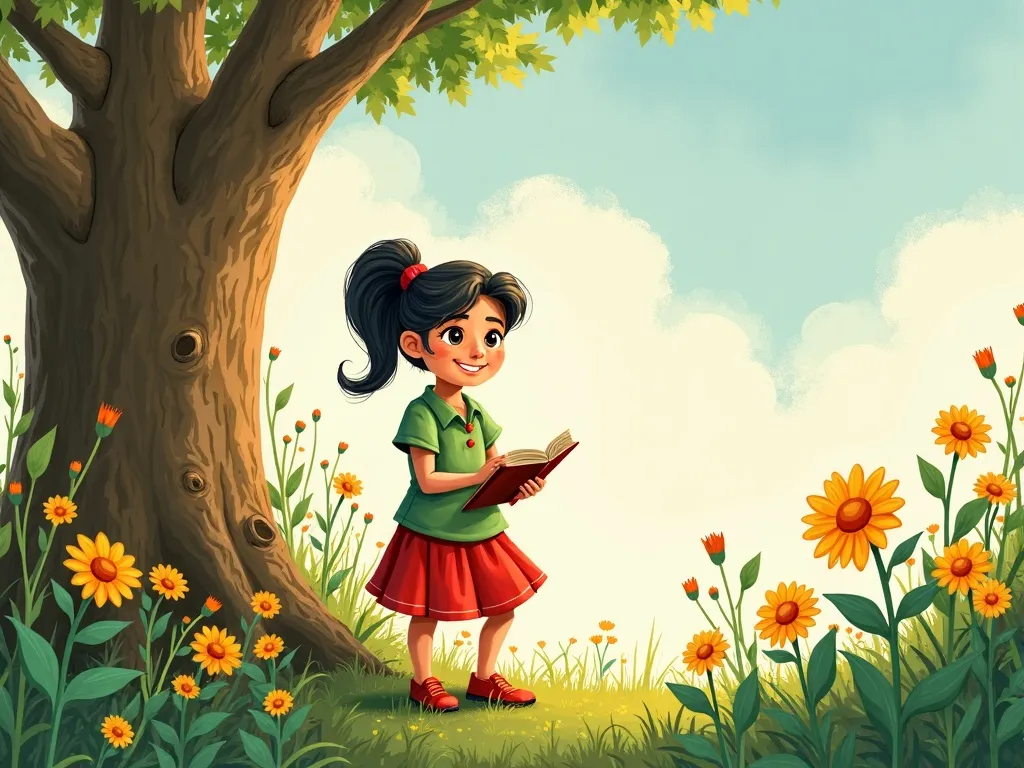
A young artist learns to appreciate the quiet beauty of nature when her bright paints mysteriously fade. With the help of a wise owl and an overlooked mouse, she learns to see beauty in all colors, not only the boldest ones.
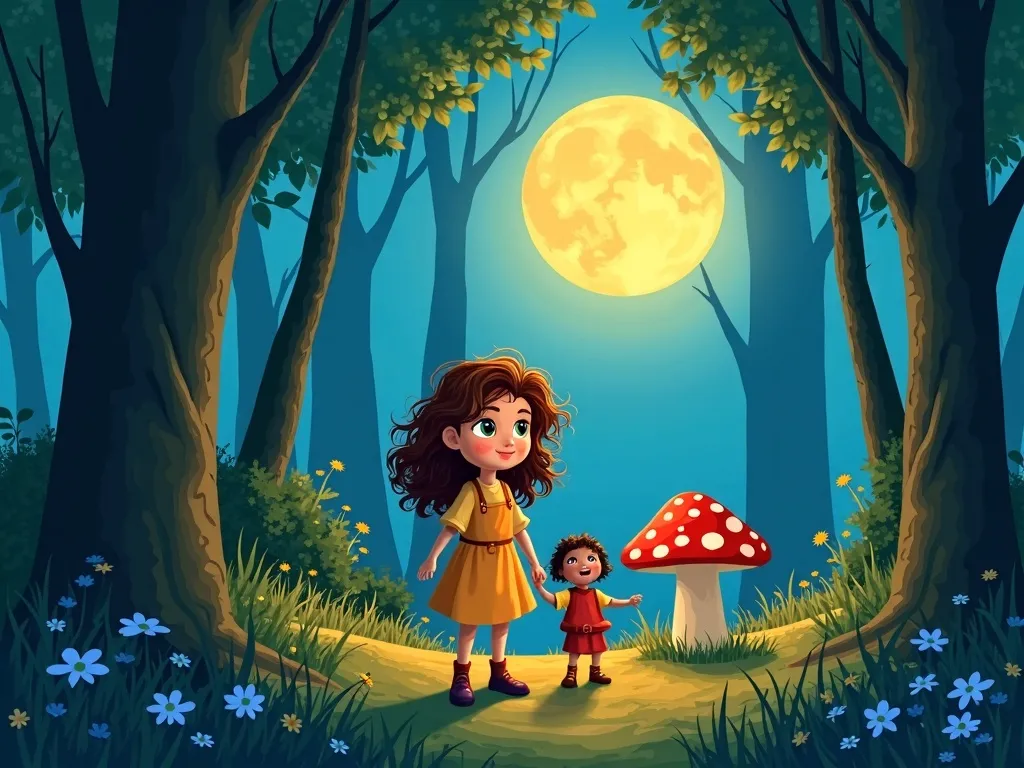
Luna learns that leadership can mean helping others welcome someone new. In an enchanted forest setting, differences become a source of wonder rather than a reason to step away.
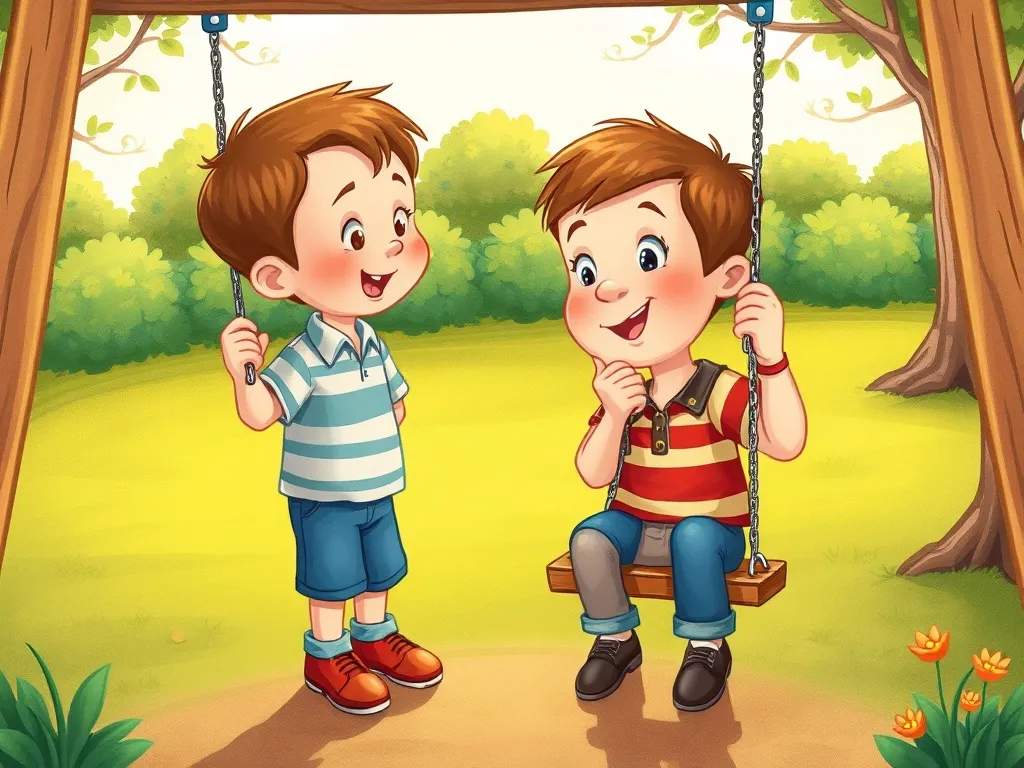
Tommy likes being the Playground Captain, but he learns that real leadership means making sure everyone feels welcome. After leaving Sarah out of a game, he finds the courage to apologize and make room for new ideas.
Jake learns that true bravery is not about being the loudest or strongest; it is about adapting to help others feel comfortable and included. Through his friendship with Oliver, a quiet boy who loves delicate things, Jake discovers that gentle strength can be as powerful as bold action, and that the best friends are those who learn each other's languages.
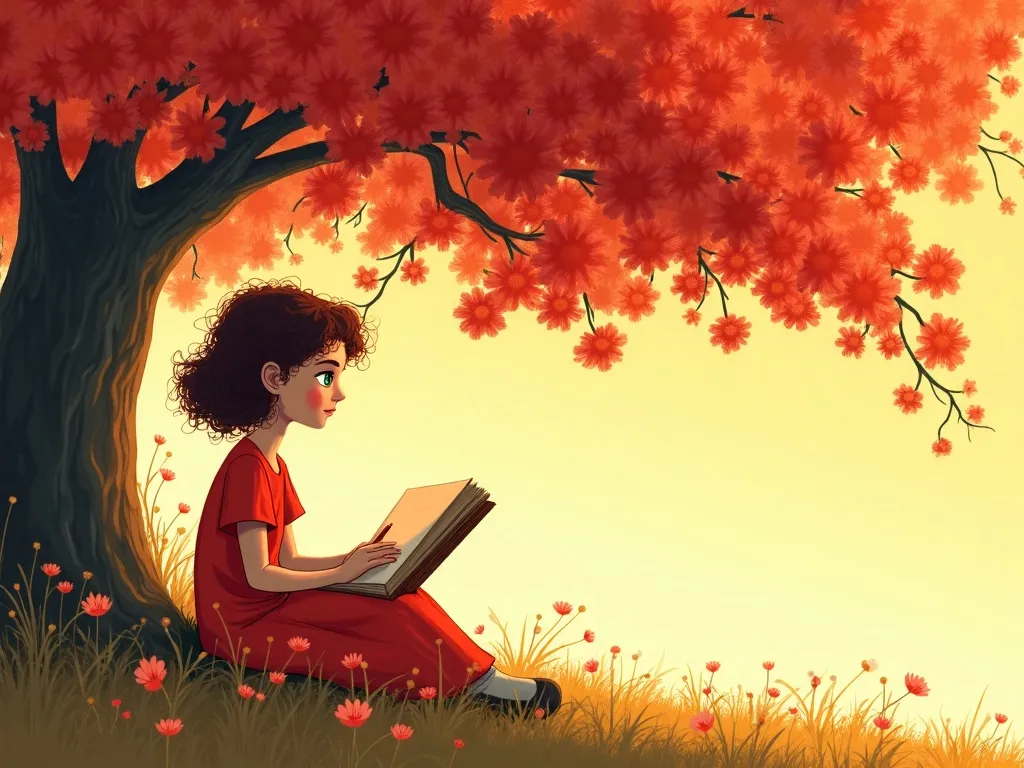
Luna carries her sketchbook into a hidden garden and meets Thaddeus, a gentle giant who tends flowers taller than trees. With his help, she plants her first rainbow seed and learns that making art can begin with muddy hands.
Maya and the giant Eldor enter an art studio where size changes what each of them can see and make. Their project only works when both perspectives fit on the same canvas.
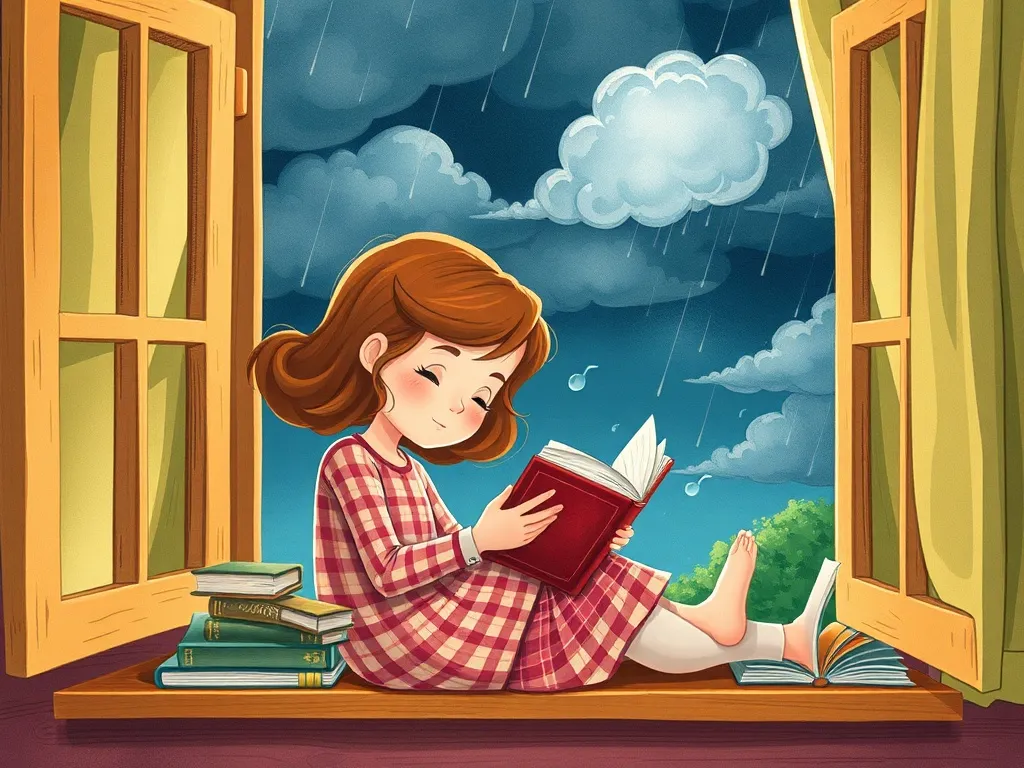
Emma loves quiet books, while Spark loves stormy skies. When their favorite ways to play clash, they build a shared storm-watching nook and discover how friendship can make room for different kinds of wonder.
Acceptance stories show characters who face similar social challenges, demonstrating healthy ways to stay true to themselves while respecting others. These narratives help children understand that real strength comes from accepting both themselves and others, even when it's not the popular choice. By seeing characters navigate these situations successfully, young readers gain confidence to handle their own peer pressure situations with integrity and compassion.
Yes, our acceptance stories are specifically crafted to address sensitive topics with age-appropriate language and respect. They present diverse characters and situations in authentic, positive ways that promote understanding without being preachy. These stories provide safe, supportive frameworks for children to explore important topics and ask questions about differences they notice in the world around them.
Stories for middle readers feature more complex plots, deeper character development, and realistic social situations that reflect the challenges 8 to 12-year-olds actually face. They acknowledge the nuanced emotions and peer dynamics at this age, moving beyond simple morals to explore how acceptance plays out in real-world scenarios. The characters grapple with genuine dilemmas and make decisions that spark critical thinking rather than providing oversimplified solutions.