The Castle Detectives
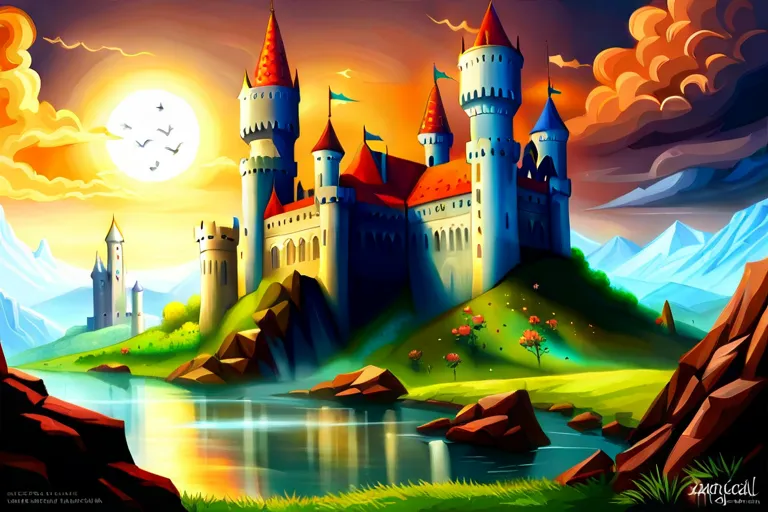
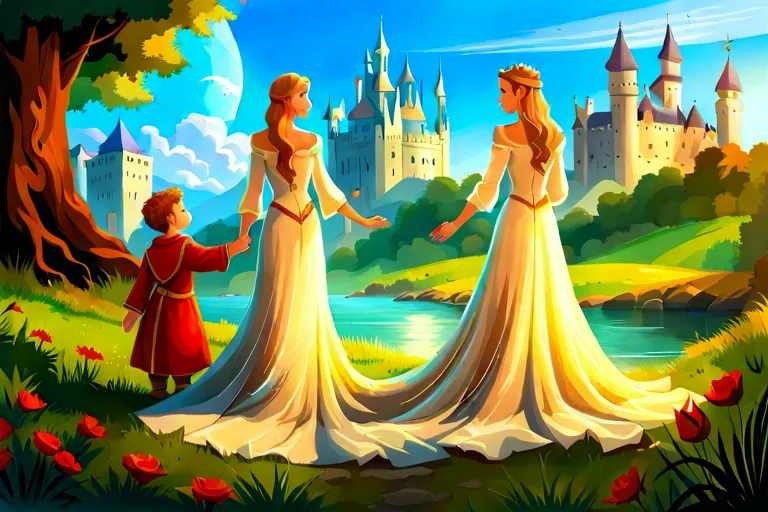
Lily from the village and Prince William follow clues across both sides of the castle wall. Missing bells, ribbons, and carrots lead them to a pony who needs help, not punishment.
Welcome to our collection of fairness stories designed specifically for early readers ages 6 to 8. At this crucial developmental stage, children are beginning to understand complex social concepts and can grasp the nuances of treating others equitably. These stories provide relatable scenarios that help young readers explore what it means to be fair in everyday situations, from sharing classroom supplies to including everyone in games at recess. Each story in this collection features age-appropriate vocabulary and sentence structures that match early reading levels while introducing meaningful discussions about justice, equality, and treating others with respect.
The narratives present realistic dilemmas that children in this age group commonly face, allowing them to see themselves in the characters and think critically about fair solutions. What makes these stories particularly valuable is their ability to distinguish between equal treatment and equitable treatment, helping children understand that fairness sometimes means giving people what they need rather than giving everyone exactly the same thing. Parents and teachers will find these stories excellent conversation starters for discussing playground conflicts, sibling rivalries, and classroom dynamics. The characters work through situations involving turn-taking, rule-following, and standing up against unfairness, providing concrete examples that children can apply to their own lives.
These stories also build empathy by encouraging readers to consider different perspectives and understand how unfair treatment affects others. Perfect for independent reading practice or read-aloud sessions, these tales reinforce both literacy skills and character development. Whether you're a parent looking to address a specific fairness issue at home or a teacher building a classroom community based on respect and equity, this collection offers engaging stories that make abstract concepts concrete and teachable moments memorable.
Animal friends gather for a beach volleyball tournament, each bringing a different skill to the sand court. When one player twists a paw, the teams pause the game and learn that caring for a friend matters more than the score.
Lily from the village and Prince William follow clues across both sides of the castle wall. Missing bells, ribbons, and carrots lead them to a pony who needs help, not punishment.
In a magical kingdom filled with talking animals and enchanted objects, a worried group from a neighboring land arrives at the border. King Henry, Queen Amelia, Prince Leo, and Princess Isabella protect their home without rushing into guesses, turning a tense misunderstanding into a plan for peace.
Animal friends turn their forest castle courtyard into a pretend kingdom where everyone gets a role, a turn, and a place at the welcome table.
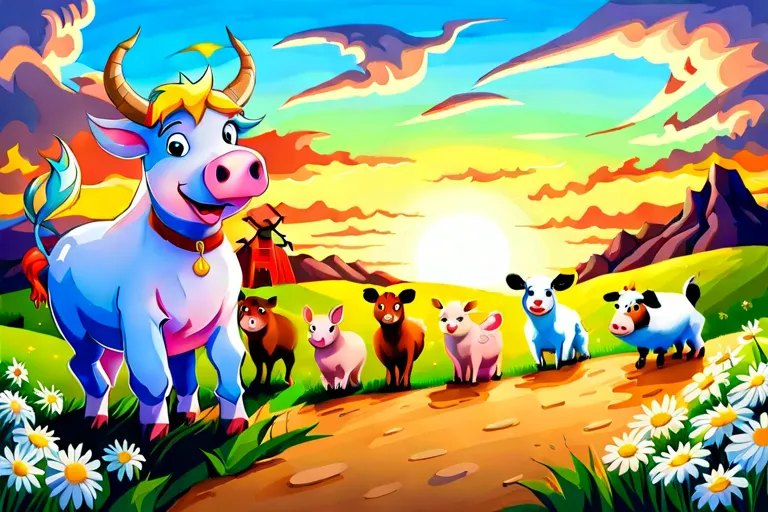
Farmer Joe sets up a friendly farm race with hay-bale turns, muddy paths, and gentle challenges for Daisy Cow, Henny Hen, Baa Sheep, Saddle Horse, Piggie Pig, and their friends. The animals discover that fair play and teamwork make the day memorable.
The forest animals gather for their own Olympics after weeks of practice and excited planning. As the games unfold, one fox discovers that friendship, encouragement, and fair play matter more than winning every event.
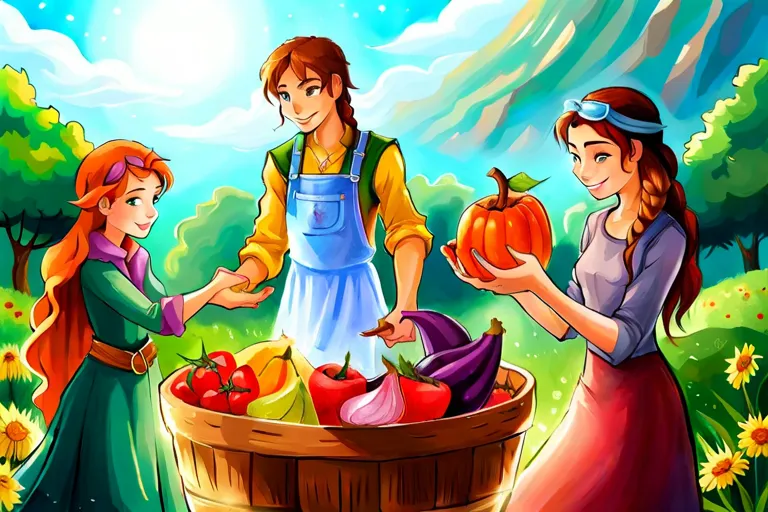
Emma, Jack and Sarah are the best of friends. They love to make things and have decided to sell their homemade goods at the local farmers market. Emma makes cupcakes that are always a hit at school events, Jack creates handmade soaps and candles, while Sarah is talented in making beautiful flower arrangements.
Two groups of friends turn a sandcastle contest into a tangle of rushed ideas and hurt feelings. When the tide erases both castles, they decide to rebuild as one team, using fair jobs, patient listening, and shared imagination.
Fairness stories help children aged 6 to 8 develop critical thinking about social situations and learn to recognize both fair and unfair treatment. These narratives provide a safe space to explore complex emotions like jealousy or frustration when things don't seem fair. By reading about characters who navigate similar challenges, children develop empathy and problem-solving skills they can apply in their own friendships and classroom interactions.
Yes, these stories are specifically written for early readers with controlled vocabulary and sentence structures that match typical reading levels for ages 6 to 8. Children who are transitioning from simple readers to chapter books will find these stories accessible yet engaging. However, they also work wonderfully as read-aloud stories that can spark important family or classroom discussions about fairness.
While sharing stories focus on generosity and dividing resources with others, fairness stories address broader concepts of justice, equality, and treating people equitably. Fairness stories might explore situations like taking turns, following rules consistently, or standing up when someone is treated unjustly. These stories help children understand that being fair sometimes means different things in different situations.