8 stories

Fairness Stories for Kindergarteners

Welcome to our collection of fairness stories specially crafted for kindergarteners! At ages five and six, children are developing a strong sense of justice and beginning to understand that treating others equally matters deeply. These engaging stories introduce the concept of fairness in ways that resonate with young minds, helping them navigate situations like taking turns, sharing toys, following rules, and including everyone in play. Each story in this collection features relatable characters and age-appropriate scenarios that kindergarteners encounter daily, from classroom activities to playground games. What makes these stories special is their ability to demonstrate fairness without lecturing.

Through colorful narratives and memorable characters, children discover why being fair feels good and how unfair treatment affects others. The stories also show that fairness doesn't always mean everyone gets exactly the same thing, but rather that everyone gets what they need to feel respected and valued. Parents and teachers will find these stories invaluable for sparking meaningful conversations about equity, justice, and treating others right. The simple language and clear story structures make them perfect for read-aloud sessions at home or in the classroom. Many stories include discussion prompts that encourage children to think critically about fair and unfair situations.

These tales support social-emotional learning objectives while building vocabulary and comprehension skills. Whether you're addressing a specific fairness issue your kindergartener is facing or simply want to reinforce positive values, this collection provides the perfect starting point. The stories celebrate moments when characters choose fairness even when it's difficult, helping young readers understand that being fair is a choice we make every day. Use these stories to help your kindergartener develop empathy, understand different perspectives, and become a champion of fairness in their own community.

Featured Story 10 minutes read

The Cave of Fair Shares

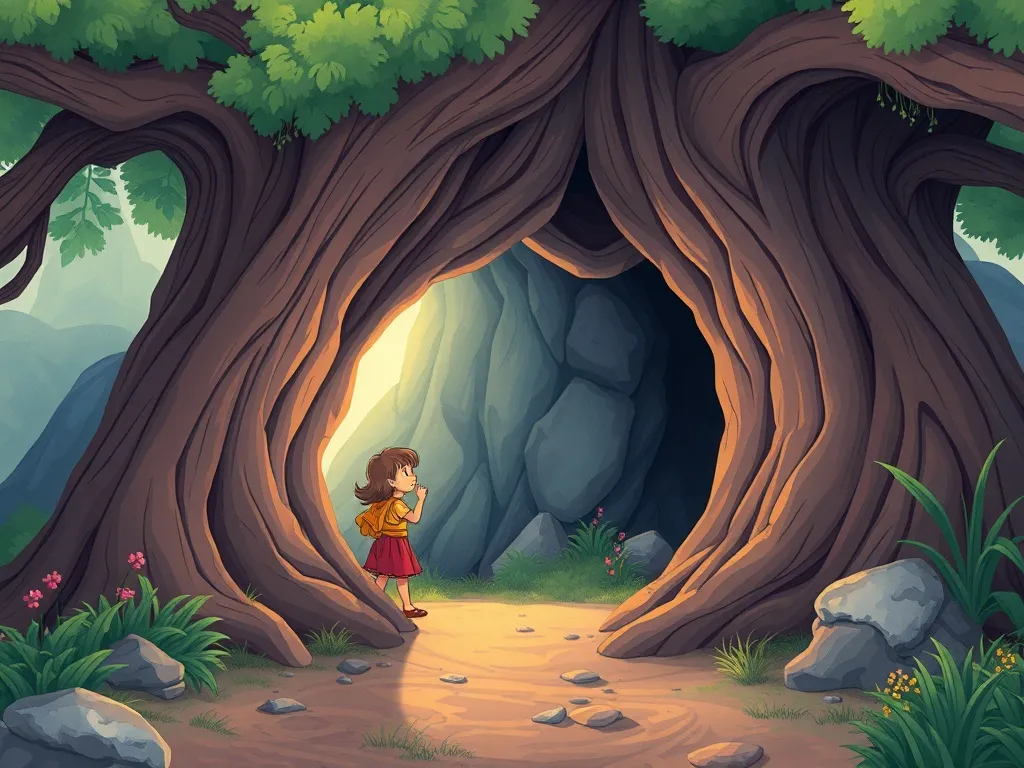
Maya discovers her brother Leo excluded from a neighborhood treasure hunt and channels her frustration into creating a fair adventure inside a hidden cave. When her anger causes problems and the unkind kids show up, Maya must choose between revenge and respect, learning that standing up for fairness means treating everyone with dignity while holding firm to what matters.

The Royal Family's Brave Battle
Castle Tales 5 minutes read

The Royal Family's Brave Battle

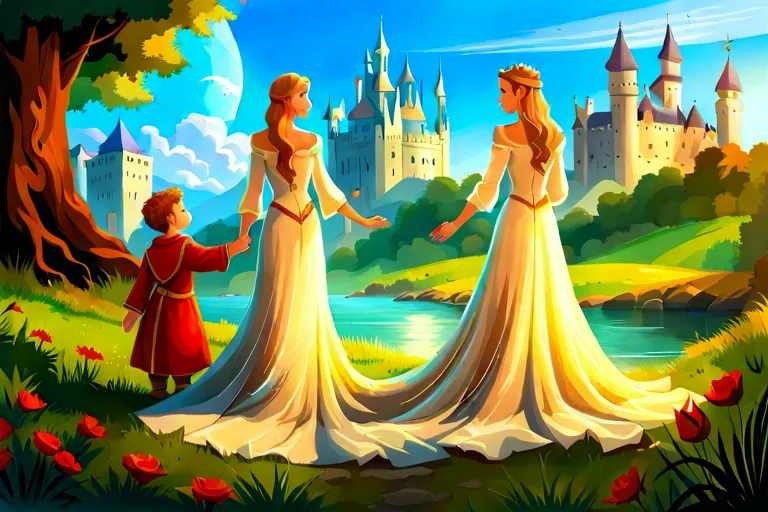
In a magical kingdom filled with talking animals and enchanted objects, a worried group from a neighboring land arrives at the border. King Henry, Queen Amelia, Prince Leo, and Princess Isabella protect their home without rushing into guesses, turning a tense misunderstanding into a plan for peace.

The Great Farm Race
Farm Fables 5 minutes read

The Great Farm Race

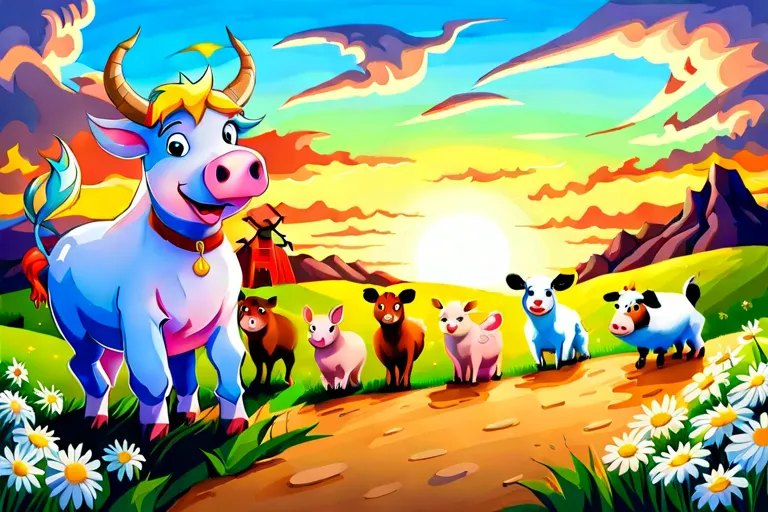
Farmer Joe sets up a friendly farm race with hay-bale turns, muddy paths, and gentle challenges for Daisy Cow, Henny Hen, Baa Sheep, Saddle Horse, Piggie Pig, and their friends. The animals discover that fair play and teamwork make the day memorable.

Forest Olympics
Friendship Fables 3 minutes read

Forest Olympics

The forest animals gather for their own Olympics after weeks of practice and excited planning. As the games unfold, one fox discovers that friendship, encouragement, and fair play matter more than winning every event.

The Sandcastle Team
Ocean Tales 5 minutes read

The Sandcastle Team

Two groups of friends turn a sandcastle contest into a tangle of rushed ideas and hurt feelings. When the tide erases both castles, they decide to rebuild as one team, using fair jobs, patient listening, and shared imagination.

Frequently Asked Questions

How do I help my kindergartener understand what fairness means?

Start by using concrete examples from their daily life, like taking turns on the swing or making sure everyone gets snack time. These stories provide perfect scenarios to discuss, as kindergarteners learn best through relatable characters and situations. After reading, ask questions like 'Was that fair?' or 'How do you think that character felt?' to help them process the concept.

What if my child thinks fairness means everyone gets exactly the same thing?

This is a common misunderstanding at this age. Use stories to show that fairness sometimes means giving people what they need rather than identical treatment. For example, a story might show why a child who forgot lunch needs extra help, or why different children might need different amounts of time to complete a task. These nuanced examples help kindergarteners develop a more sophisticated understanding of equity.

How often should I read fairness stories to my kindergartener?

Reading fairness stories two to three times per week is ideal for reinforcement without overwhelming them. You can also revisit favorite stories when real-life fairness situations arise. Repetition helps kindergarteners internalize these values and gives them language to express their feelings when they encounter unfair situations.

Explore More Collections