Castle Tales3 minutes read
Mr. Poppins' Magical Classroom
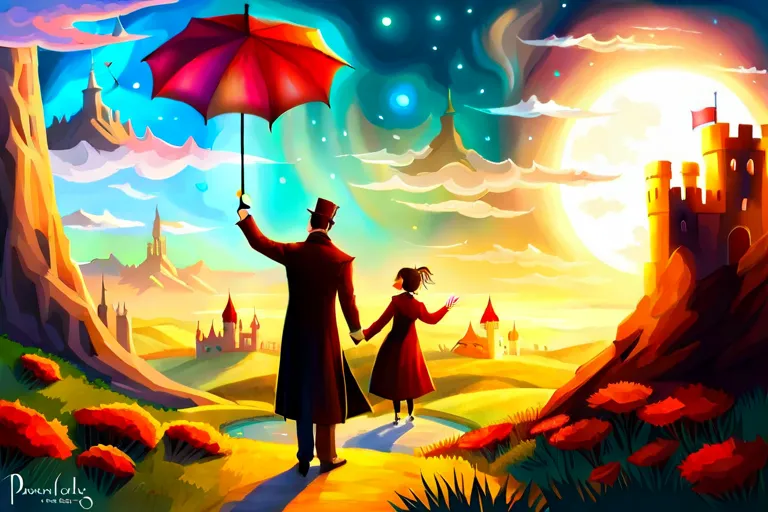
Mr. Poppins arrives at castle school with fraction pies, sentence cards, and a puppet theater.
Welcome to our collection of respect stories designed specifically for middle readers ages 8 to 12. During these formative years, children are developing a deeper understanding of social dynamics, cultural differences, and the importance of treating others with dignity. Our carefully curated respect stories go beyond simple lessons to explore nuanced situations that mirror real-life challenges your child may face at school, in sports, or within their communities. Each story presents relatable characters who navigate conflicts, learn to appreciate diverse perspectives, and discover that respect extends beyond just being polite.
It includes respecting different opinions, honoring personal boundaries, valuing people from all backgrounds, and treating the environment with care. These stories are particularly valuable for middle readers because they tackle age-appropriate scenarios like standing up to peer pressure, handling disagreements with friends, respecting authority figures while maintaining self-respect, and learning when to speak up versus when to listen. Parents and teachers will find these stories serve as excellent conversation starters about complex topics like cultural sensitivity, empathy, and self-worth. The narratives feature diverse characters and settings that help children see respect as a universal value that transcends individual differences.
Whether you're a parent looking for meaningful bedtime stories, a teacher seeking classroom resources that align with character education goals, or a counselor addressing social-emotional learning, these stories provide engaging content that resonates with preteens. Each tale is crafted to hold the attention of independent readers while delivering powerful messages about mutual respect, self-respect, and creating positive relationships that will serve them throughout their lives.
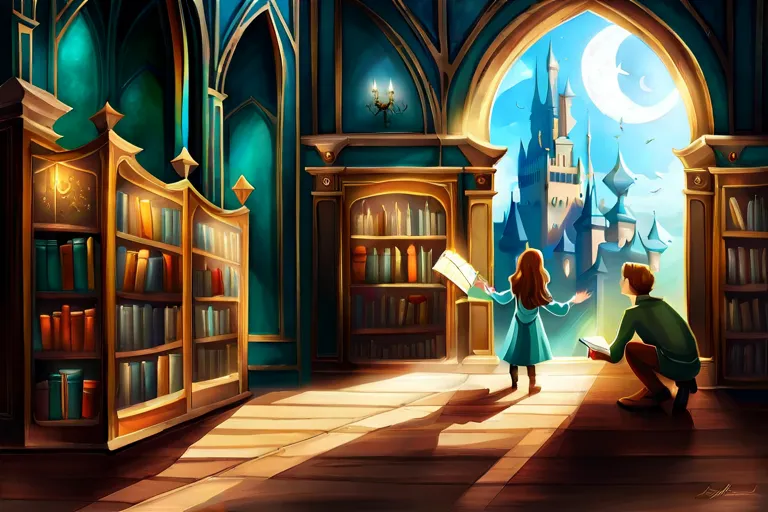
Curious children discover a hidden castle library where books open doors to other times and places. Each visit gives them a chance to listen, ask careful questions, and bring one respectful detail back to their own world.
Mr. Poppins arrives at castle school with fraction pies, sentence cards, and a puppet theater.
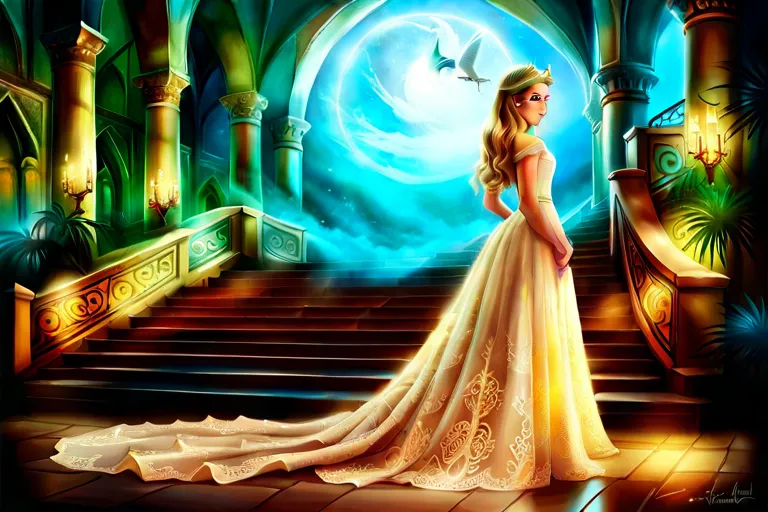
Princess Isabella loves the castle history room and the stories behind its treasures. When a moonstone goes missing from its display case, she works with the guard captain, asks careful questions, and follows clues until the missing stone is found.

Max and Mia both want their trapeze practice to shine, but competing makes them miss cues and ignore feedback. With help from their coach, they build a paired routine based on listening, timing, and trust.

Mei and Aman are acrobats who want to perform together, but they speak different languages and keep missing each other's cues. By slowing down, drawing their routine, and listening with their eyes, they build an act that belongs to both of them.
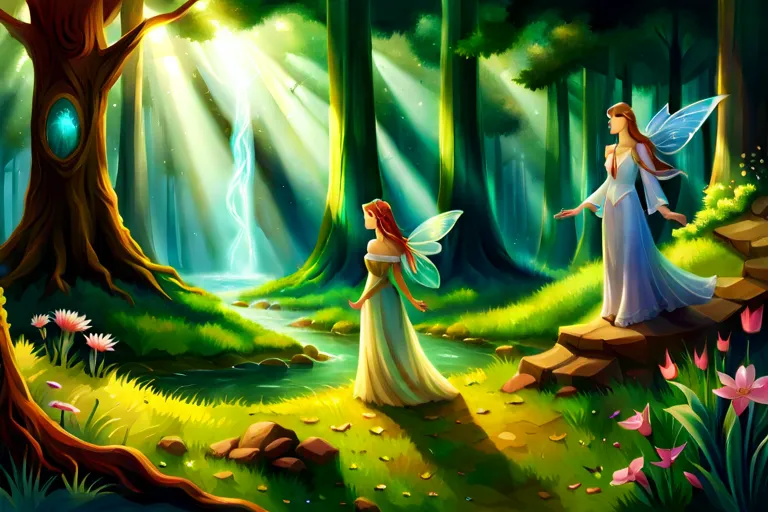
A class follows a fairy guide into a magical forest filled with unusual plants, hidden wildflower clearings, and woodland animals. Their field trip becomes a careful walk through the wonders of nature.
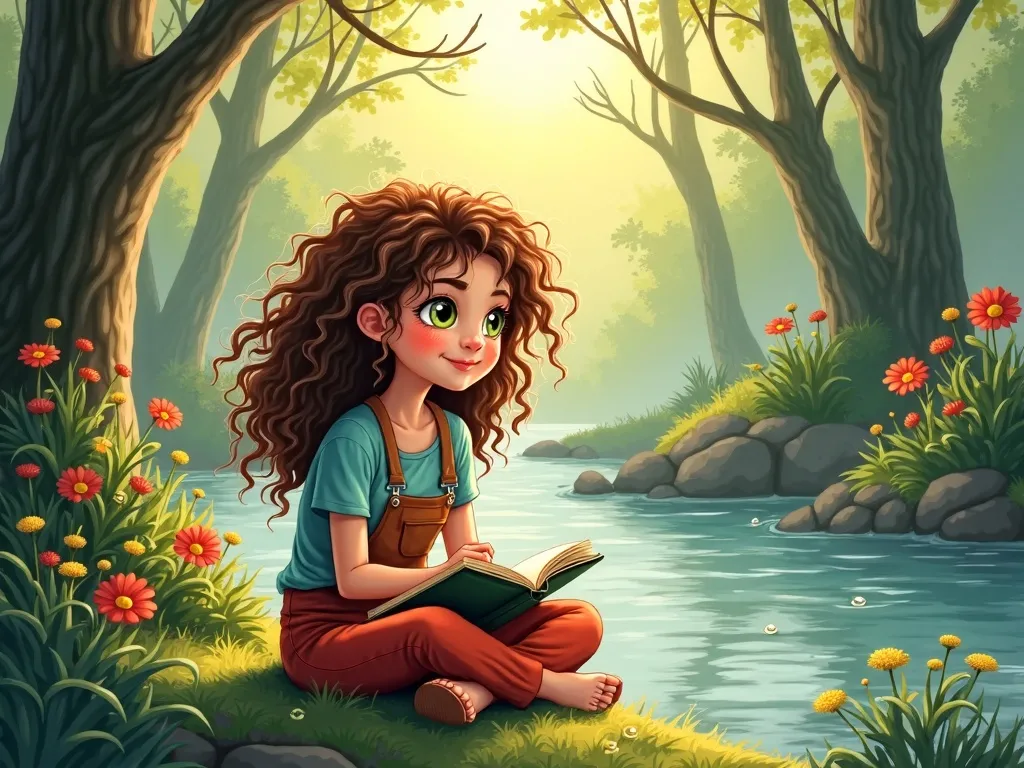
Luna brings her sketchbook into the forest and meets friends who make art in different ways. By sharing pencils, leaves, stones, and ideas, they turn one path into a gallery made by many hands.
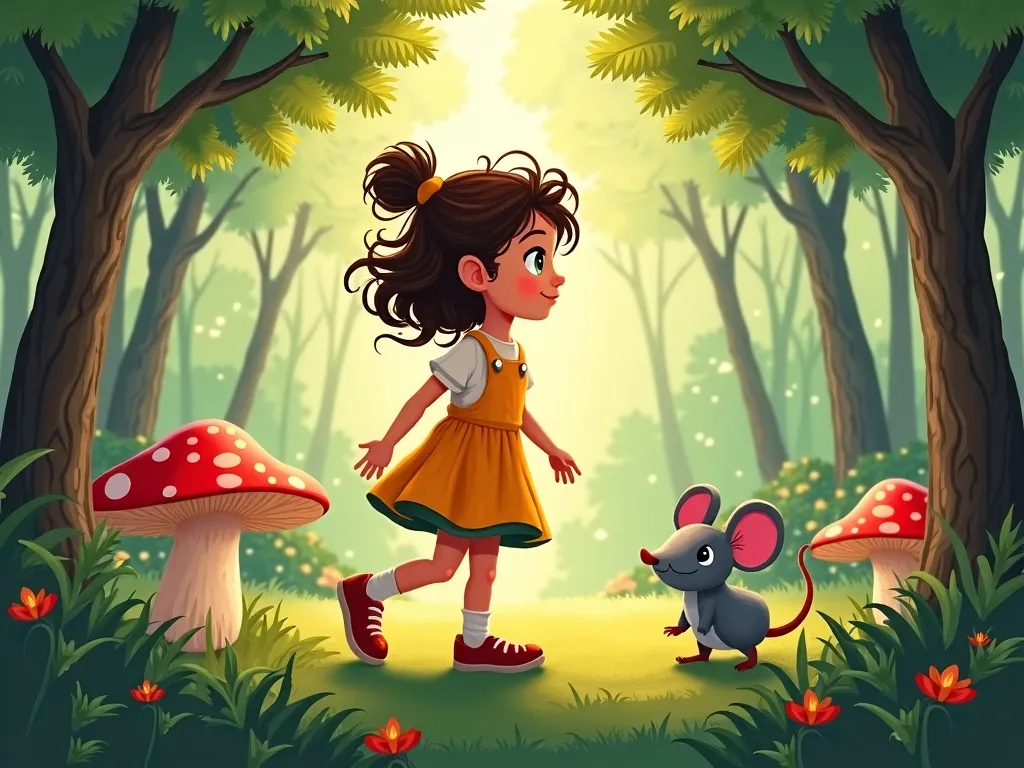
A young artist learns to appreciate the quiet beauty of nature when her bright paints mysteriously fade. With the help of a wise owl and an overlooked mouse, she learns to see beauty in all colors, not only the boldest ones.
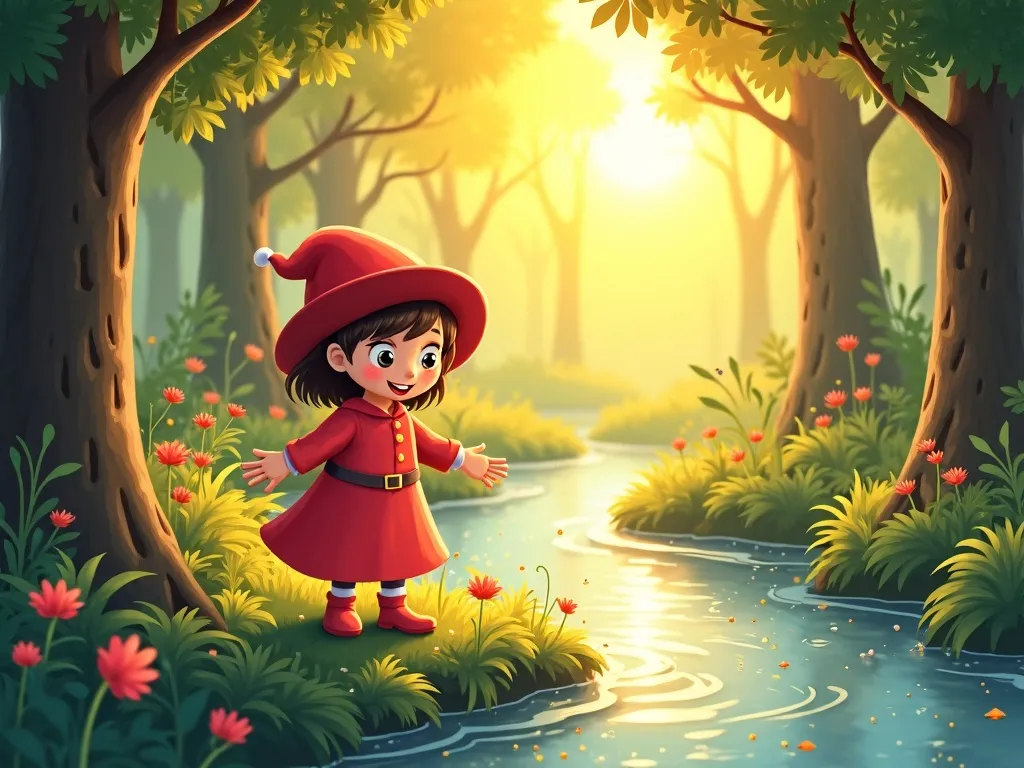
Lily loves singing beside the forest brook, but she forgets the morning check she promised to do. When the water's music grows quiet, she follows gentle clues, repairs the stones with care, and writes a song that helps her remember her responsibility.
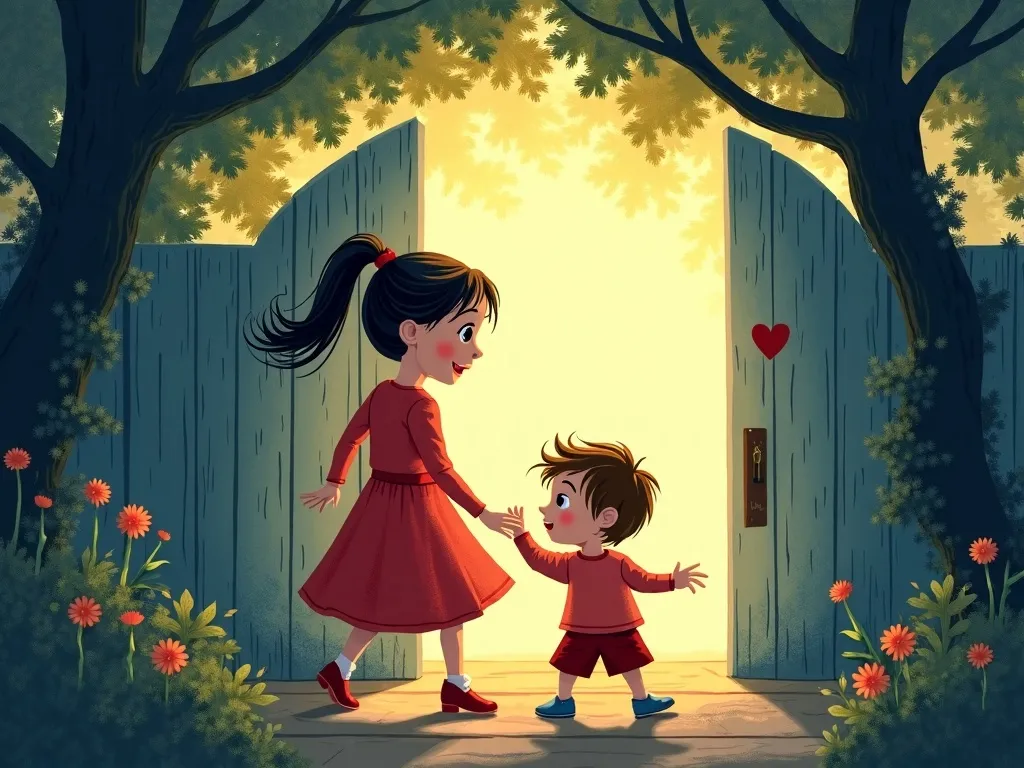
A magical garden teaches three children about responsibility and teamwork when they neglect their duties in favor of exploring its wonders. By working together and respecting nature, they discover that the garden's magic depends on their care.
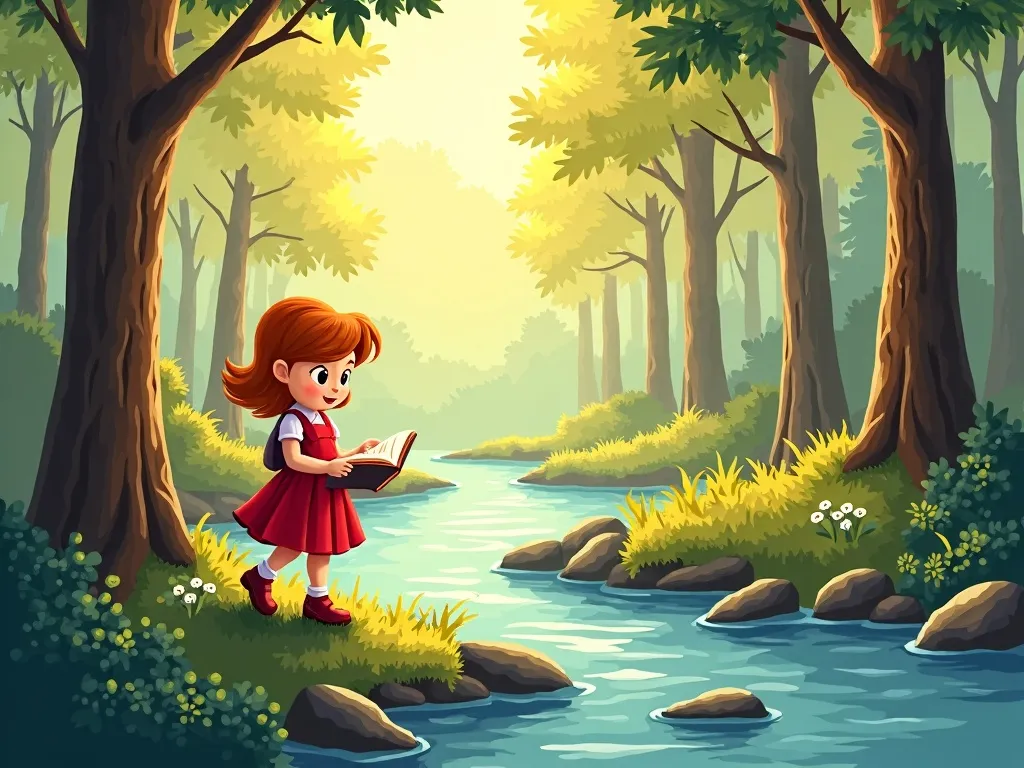
A young book-lover discovers a mysterious musical puzzle in the forest that can only be solved with cooperation and understanding of nature's harmony. Music, magic, and teamwork help every creature add a voice to nature's chorus.
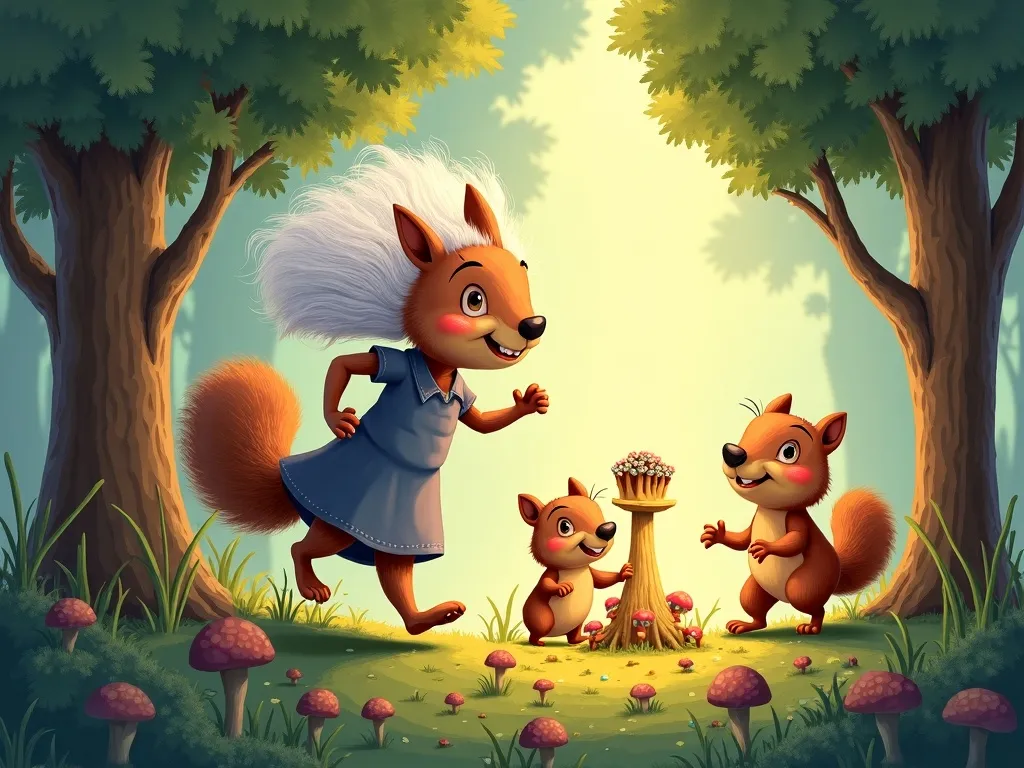
A young forest elf follows the whispers of a willow tree and meets creatures who need him to slow down, listen carefully, and notice more than his own ideas.
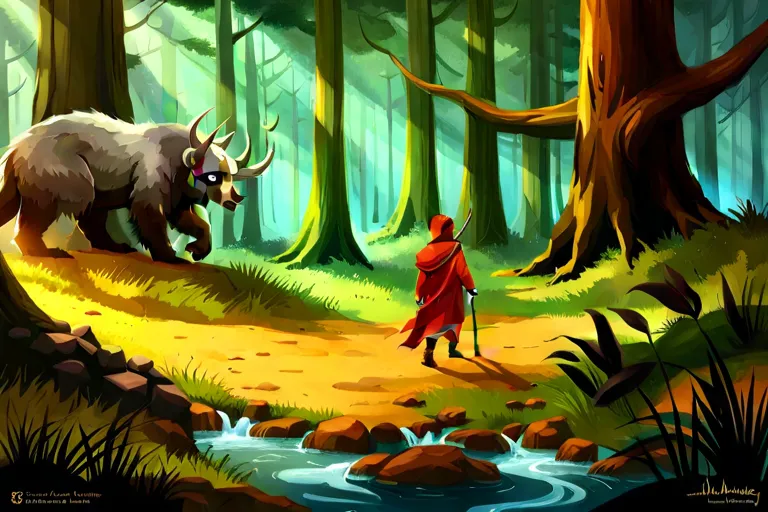
Once upon a time, there lived a young explorer who loved to learn about the world around him. One day, he decided to walk through the forest and encountered many different creatures along the way.
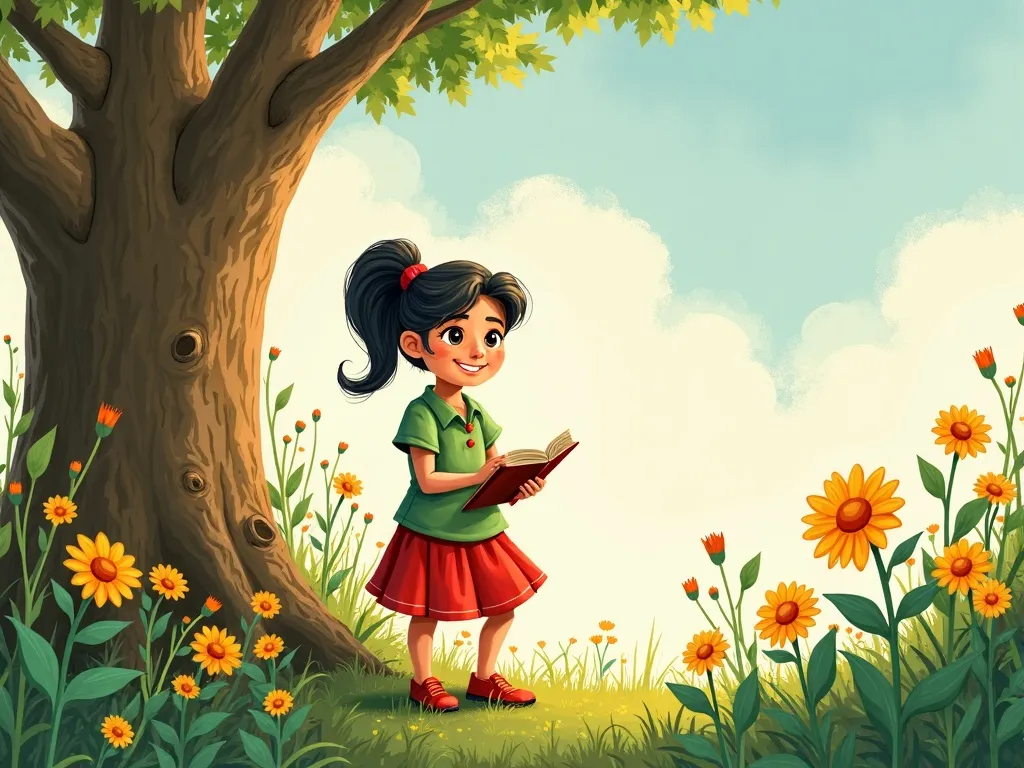
Maya and the giant Eldor enter an art studio where size changes what each of them can see and make. Their project only works when both perspectives fit on the same canvas.
Stories for middle readers tackle more complex situations like navigating peer pressure, respecting cultural differences, and balancing self-respect with respect for authority. The narratives feature longer plots with multiple characters and explore gray areas rather than simple right-versus-wrong scenarios. These stories recognize that preteens face more nuanced social challenges and provide age-appropriate guidance for handling them respectfully.
Absolutely. Many of our respect stories directly address issues like bullying, exclusion, and peer conflicts through characters who model healthy responses. These stories can help children understand different perspectives, develop empathy, and learn constructive ways to handle difficult social situations. They're excellent tools for opening conversations about challenges your child may be facing.
Yes, these stories are perfect for classroom settings and align well with social-emotional learning curricula. Teachers can use them as read-alouds, independent reading assignments, or discussion starters for character education lessons. Many stories include diverse characters and situations that promote understanding and respect across different backgrounds and abilities.