
Dozen Pals3 minutes read
Ember's Garden of Friendship
Ember, a young phoenix with bright feelings, learns calming breaths while tending a garden with friends. As the flowers grow, so does her patience.
Teaching self-control to kindergarteners is one of the most valuable gifts we can offer young learners. Our collection of self-control stories for kindergarteners provides engaging, age-appropriate tales that help five and six-year-olds understand the importance of managing their impulses, emotions, and behaviors. These carefully curated stories feature relatable characters who face everyday challenges that kindergarteners encounter, from waiting their turn at recess to resisting the temptation to grab toys from classmates. Each story demonstrates practical strategies for pausing, thinking, and making good choices even when feelings run high. What makes these stories special is their ability to present complex emotional concepts in simple, concrete terms that young children can grasp and apply in their own lives.
Through colorful narratives and memorable characters, children learn that self-control is like a muscle that grows stronger with practice. The stories show that everyone struggles with self-control sometimes, normalizing these challenges while offering hopeful solutions. Parents and teachers will find these stories particularly useful during transition times, before challenging activities, or when discussing classroom expectations. The language is carefully calibrated for kindergarten reading levels, with repetition and rhythm that aid comprehension and retention. Whether read aloud during circle time or enjoyed one-on-one at bedtime, these stories open meaningful conversations about feelings, choices, and consequences.
They help children recognize the physical sensations that come before impulsive actions and provide them with tools to respond thoughtfully instead of reactively. Best for kindergarten classrooms, homeschool settings, and families looking to reinforce social-emotional learning at home, this collection supports the developmental stage where children are building foundational executive function skills that will serve them throughout their educational journey and beyond.

Max loves jokes, but his surprise pranks make his circus friends worry about missing props and unsafe messes. After one joke interrupts the finale, Max owns his mistake, helps fix it, and learns that safe jokes are funnier for everyone.
Ember, a young phoenix with bright feelings, learns calming breaths while tending a garden with friends. As the flowers grow, so does her patience.

Felix the fox learns to turn his bumpy temper into peaceful cooperation when he leaves his cloud castle and visits the Valley of Whispers below. With help from new friends, he discovers how steady breaths, patience, and kindness can keep even cloudy feelings from spoiling a bright day.

Sparkle the winged unicorn loses confidence after a wobbly rehearsal. Her friends help her return slowly, starting with ground practice and ending with one small, careful flight.
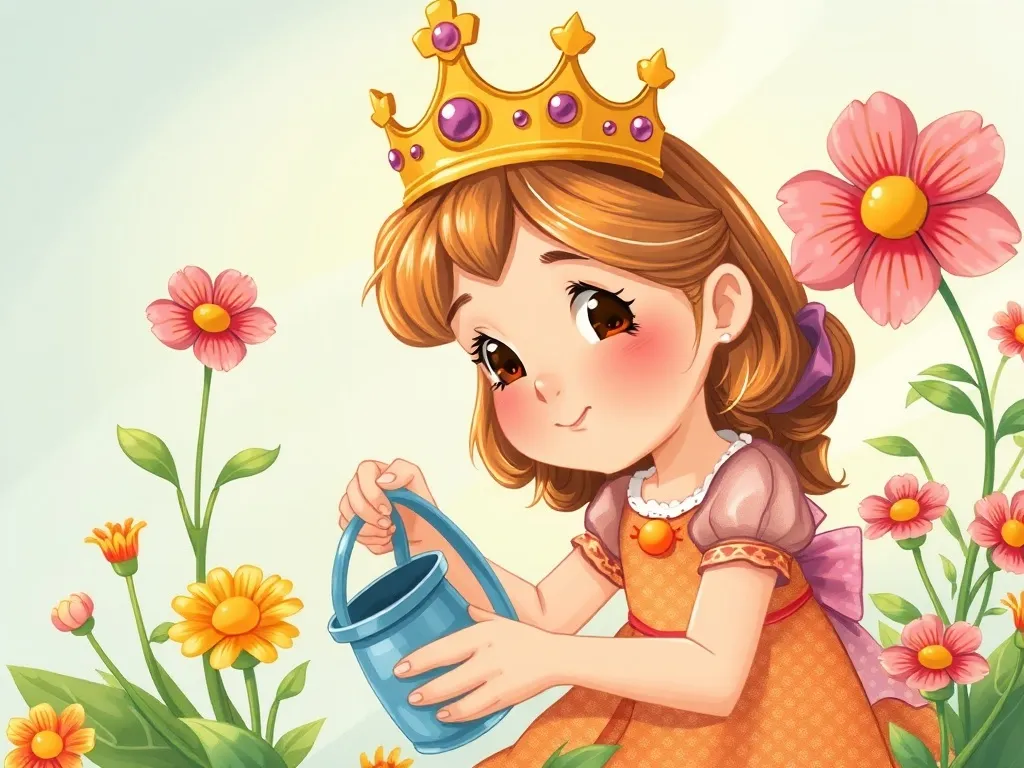
A young pig learns to control her temper and discovers that true prairie princess qualities come from kindness and helping others, not only wearing a tiara. As Penny helps her friends, she learns how to pause, make amends, and choose kindness.
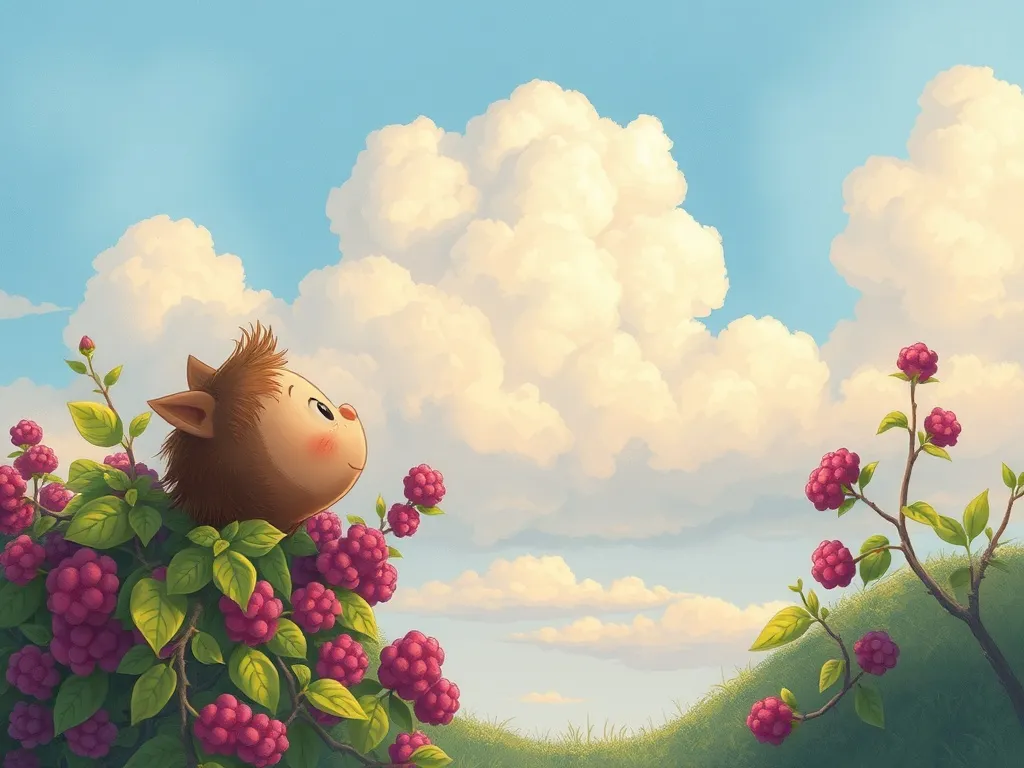
Bramble climbs a rainbow bridge to a cloud castle where winged swamp cats host a tea party. When his excitement makes a mess, they help him turn stormy feelings into gentle choices.
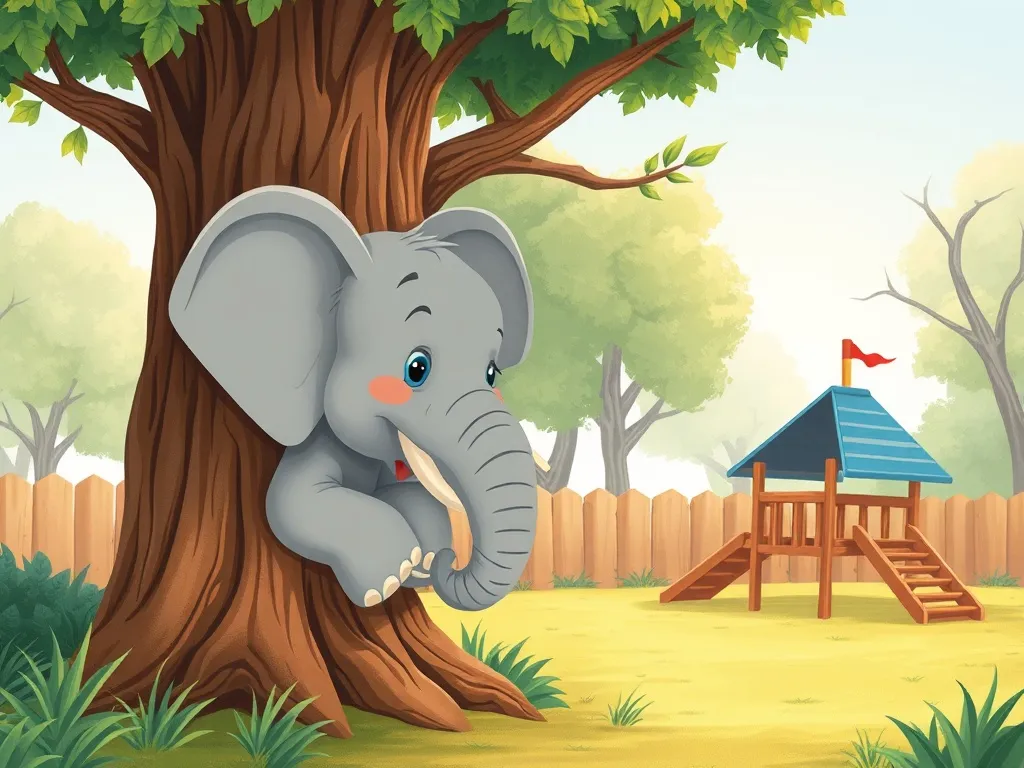
Eddie the elephant wants to join the playground, but he worries his size will cause trouble. Pip the mouse teaches him a calming cloud-breathing game, and Eddie learns to use his gentle strength to help smaller friends.

Pip comes to Old Sage in tears because he keeps yelling when anger takes over. In the owl's magical garden of emotions, Pip learns how patience and understanding can soften even the prickliest feelings.
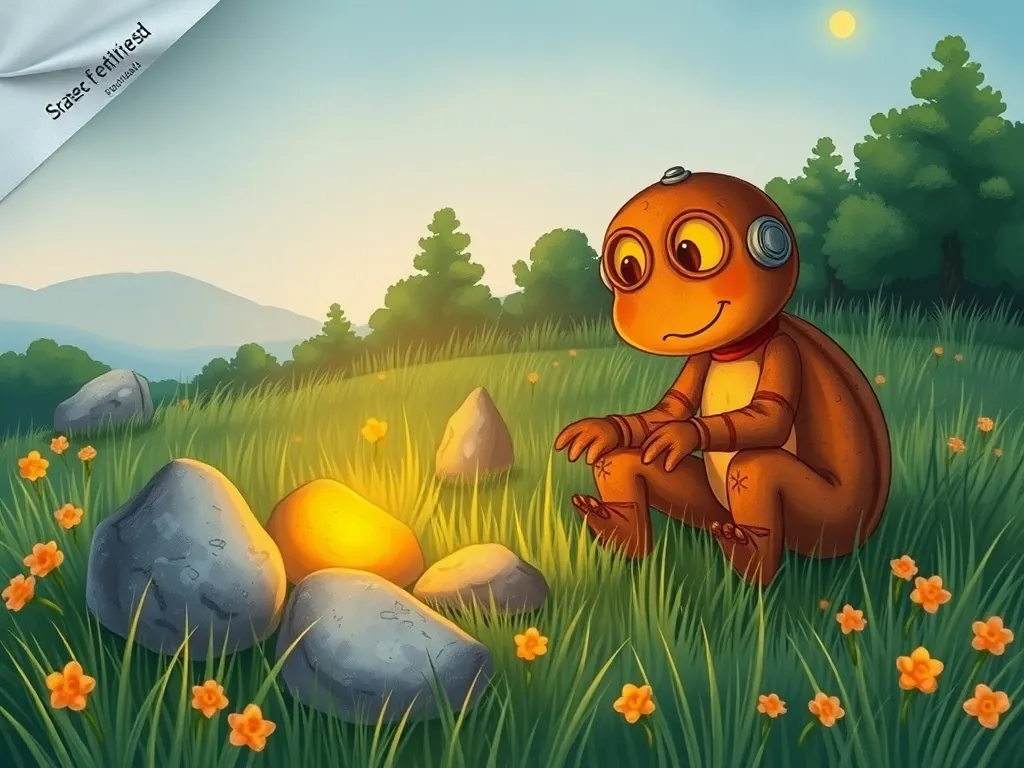
Rusty the fox finds glowing stones that shine brighter when his feelings grow strong. With help from a wise owl and new forest friends, he learns how each feeling can have its own useful color.

Leo wants to become a helpful knight, but tall places make his knees shake. When the king needs a glowing lantern from the tower room, Leo learns to ask for advice, breathe slowly, and take one careful step at a time.
Kindergarten age, around five to six years old, is an ideal time to introduce formal self-control concepts, though the foundations begin earlier. At this age, children's prefrontal cortex is developing rapidly, making them more capable of understanding cause and effect. Stories provide a safe, engaging way to explore these concepts without the pressure of real-life situations.
Read these stories regularly and discuss the characters' choices, asking your child what they might do in similar situations. After reading, role-play scenarios from the stories to practice self-control strategies. Refer back to story characters when real situations arise, helping your child connect the lessons to their own experiences.
Stories work because they engage children's imagination while providing safe distance from their own struggles. Kindergarteners can observe characters making mistakes and learning from them without feeling judged. The narrative format helps children remember strategies better than direct instruction alone, and relatable characters make abstract concepts concrete and understandable.