
Beach Tales2 minutes read
The Jellyfish Sting
Lily and her friends are enjoying a beach day when Lily feels a sharp sting in the water. Her friends stay calm, call a grown-up, and help the lifeguard take care of Lily the safe way.
Welcome to our collection of empathy stories thoughtfully crafted for middle readers ages 8 to 12. At this pivotal age, children are developing the cognitive and emotional capacity to truly understand perspectives beyond their own, making it the perfect time to nurture their empathetic abilities through engaging narratives. Our empathy stories go beyond simple moral lessons by presenting complex characters facing real challenges that require understanding, compassion, and the ability to see situations from multiple viewpoints. Each story in this collection has been carefully selected to help children recognize emotions in others, consider different life experiences, and develop the social awareness that forms the foundation of meaningful relationships.
What makes these stories particularly valuable for middle readers is their age-appropriate complexity. The characters navigate realistic social situations like dealing with bullies who have their own struggles, befriending someone from a different background, or understanding why a family member acts in unexpected ways. These narratives challenge children to think critically about human behavior and motivations rather than offering oversimplified answers. Teachers will find these stories excellent for classroom discussions about perspective-taking and social-emotional learning, while parents can use them as springboards for conversations about treating others with understanding and respect.
The stories feature diverse characters and settings, ensuring that children see themselves reflected while also learning about experiences different from their own. Whether read independently or shared together, these empathy stories provide middle readers with the tools to become more compassionate, thoughtful individuals who can navigate our increasingly interconnected world with sensitivity and understanding.

Emma and her friends join a supervised beach cleanup. As they sort safe litter from natural beach finds, they notice labels, postcards, and shells that spark questions about oceans, travel, and caring for shared places.
Lily and her friends are enjoying a beach day when Lily feels a sharp sting in the water. Her friends stay calm, call a grown-up, and help the lifeguard take care of Lily the safe way.
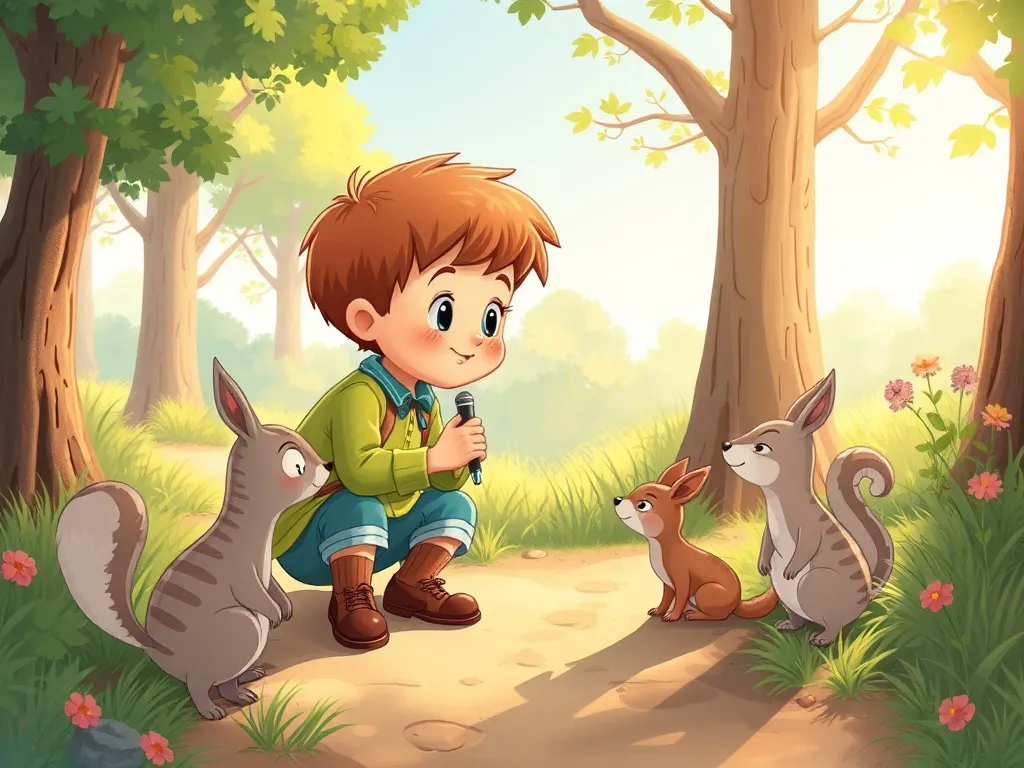
Alex finds a magical map to rainbow berries that might help Tommy Squirrel's sick grandmother. The grove lies beyond the familiar oak tree, so Alex and a small group of forest friends must solve each challenge together.

Lily from the village and Prince William follow clues across both sides of the castle wall. Missing bells, ribbons, and carrots lead them to a pony who needs help, not punishment.

Curious children discover a hidden castle library where books open doors to other times and places. Each visit gives them a chance to listen, ask careful questions, and bring one respectful detail back to their own world.

Sir Cedric wants his knighthood to mean more than strength. With his horse, Clover, and a patrol of kind knights, he helps villages, repairs paths, and treats living creatures with care.

Near a castle village, children spot an injured young dragon at the edge of the woods. They call the grown-ups, help from a safe distance, and discover that careful kindness can change how a whole village sees its dragon neighbors.

A quiet tower stands outside the castle wall until some children notice a woman waving from the balcony. With help from a castle librarian, they begin visiting each week to share stories, drawings, and time together.

Sophie enjoys the trapeze, but she knows new skills take time. When Max feels nervous before his first low-trapeze routine, Sophie helps him breathe, practice safely, and choose an ending he can do with confidence.
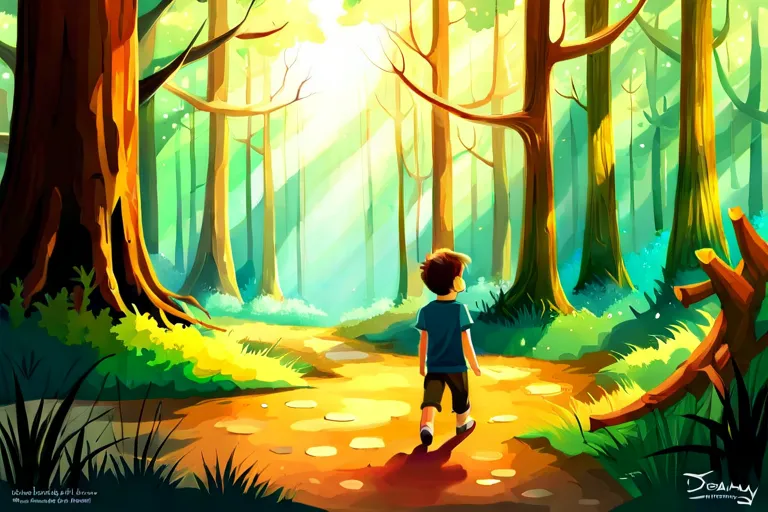
Sammy loves the woods behind his small-town home. When his family moves to the big city, he worries about starting a new school where he does not know anyone.
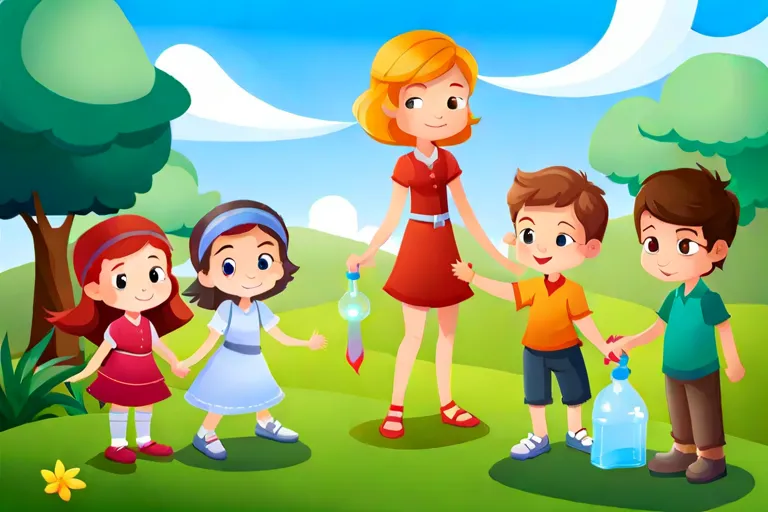
Lily, Max, Ava, and Sam love playing in their local park, but one day they find it covered in litter. With help from nearby grown-ups, they gather gloves, sort recycling, and turn a messy afternoon into a cleaner park habit.
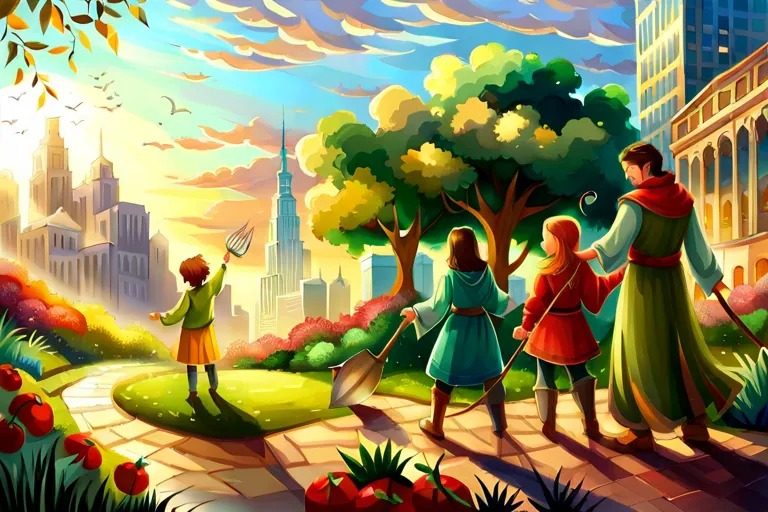
In the middle of a big city, a group of friends starts a neighborhood garden with shovels, rakes, and seeds. As the garden grows, they invite new helpers to keep the fruits and vegetables thriving.
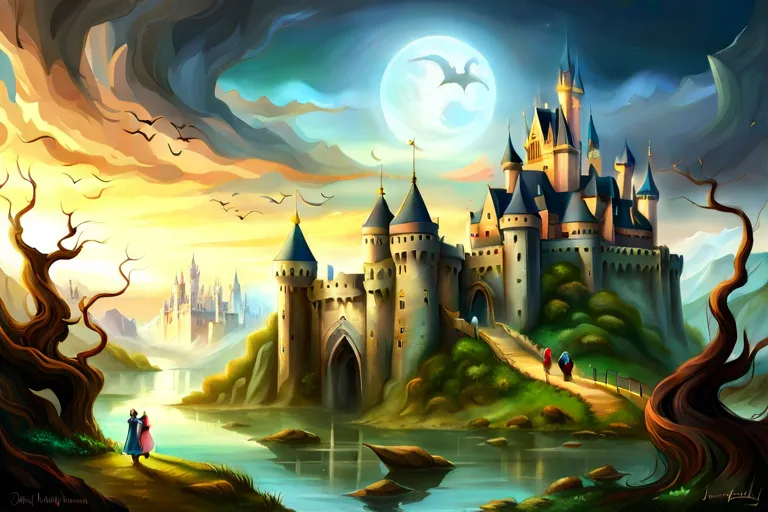
Once upon a time, in a faraway kingdom, there was an old castle that people said was haunted. A group of children visited with the castle caretaker and met Prince Casper, a quiet ghost who wanted someone to hear his story.
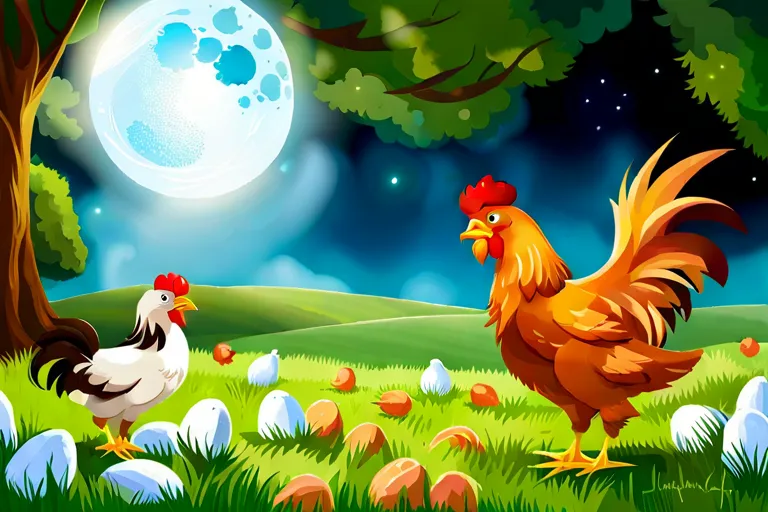
Farmer Joe's chickens have stopped laying eggs, and he does not know why. Luckily, his granddaughter Lily is coming to visit. Together, they learn about healthy eating habits for chickens and work to solve the problem.
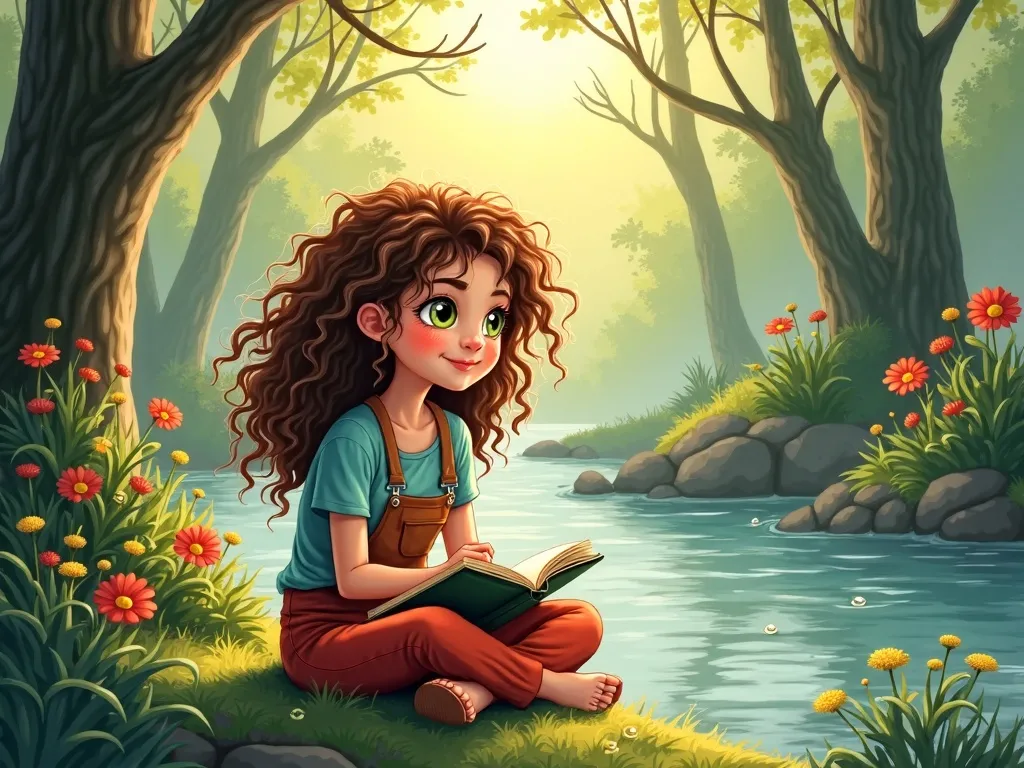
Luna brings her sketchbook into the forest and meets friends who make art in different ways. By sharing pencils, leaves, stones, and ideas, they turn one path into a gallery made by many hands.
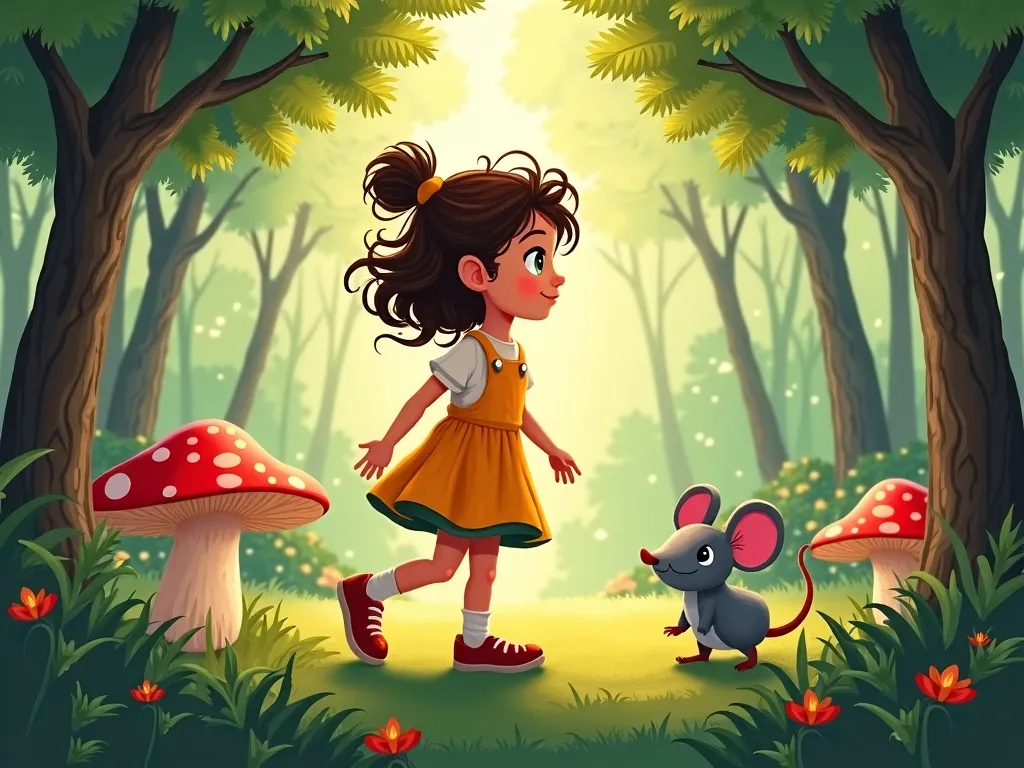
A young artist learns to appreciate the quiet beauty of nature when her bright paints mysteriously fade. With the help of a wise owl and an overlooked mouse, she learns to see beauty in all colors, not only the boldest ones.
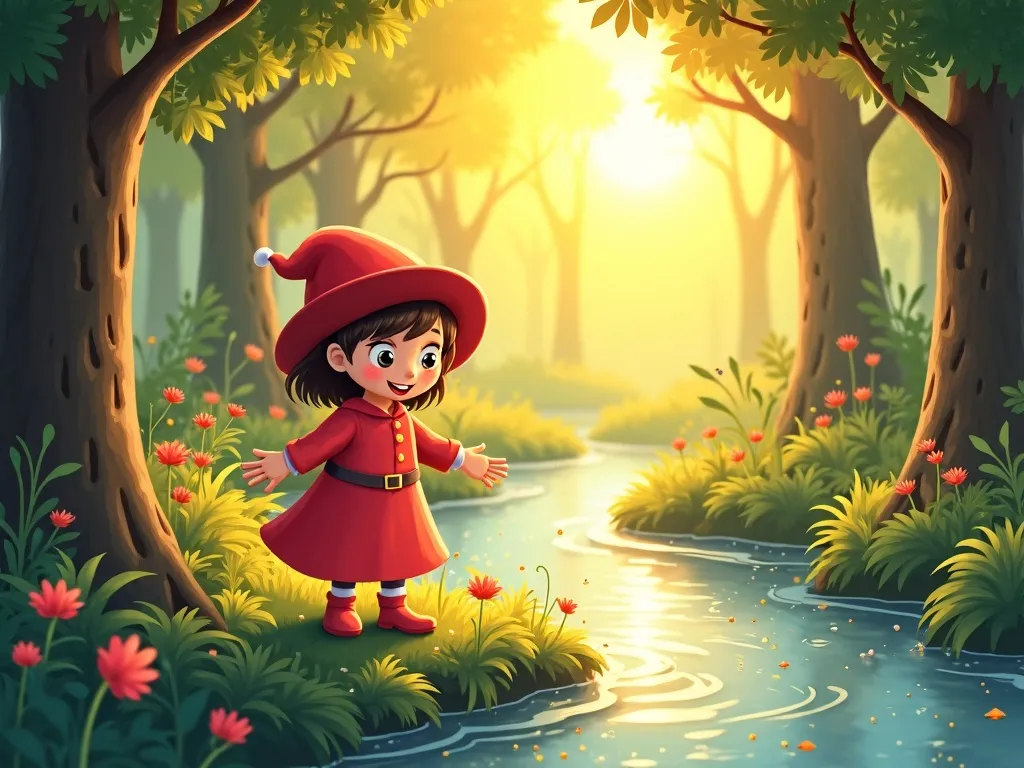
Lily loves singing beside the forest brook, but she forgets the morning check she promised to do. When the water's music grows quiet, she follows gentle clues, repairs the stones with care, and writes a song that helps her remember her responsibility.
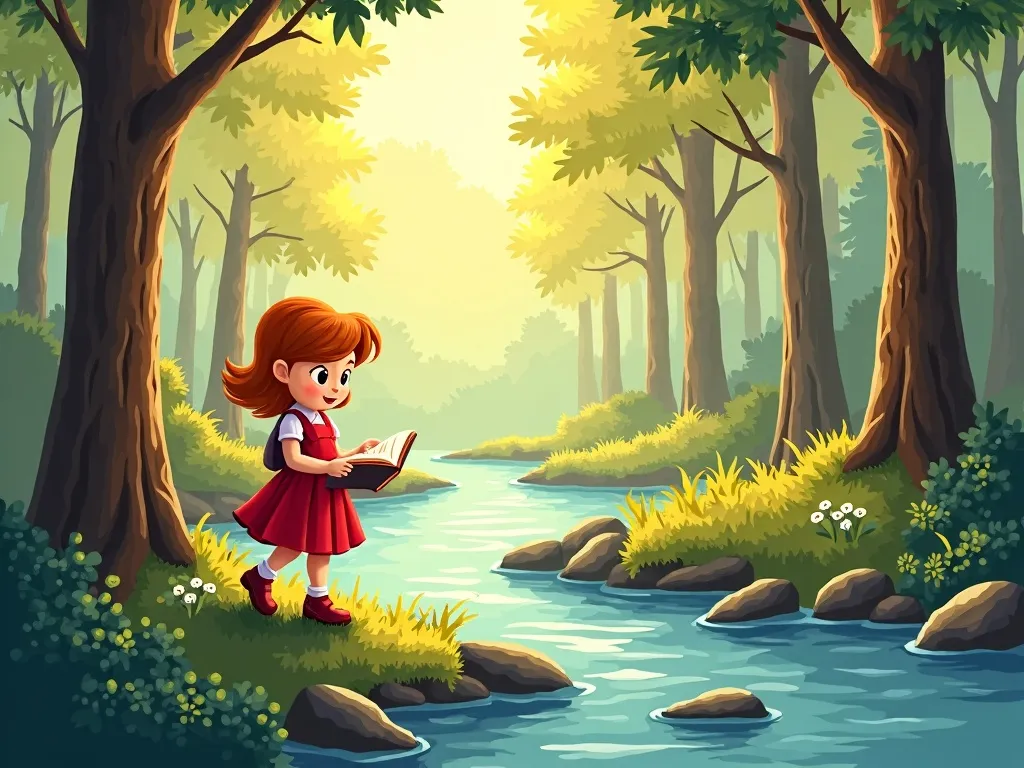
A young book-lover discovers a mysterious musical puzzle in the forest that can only be solved with cooperation and understanding of nature's harmony. Music, magic, and teamwork help every creature add a voice to nature's chorus.
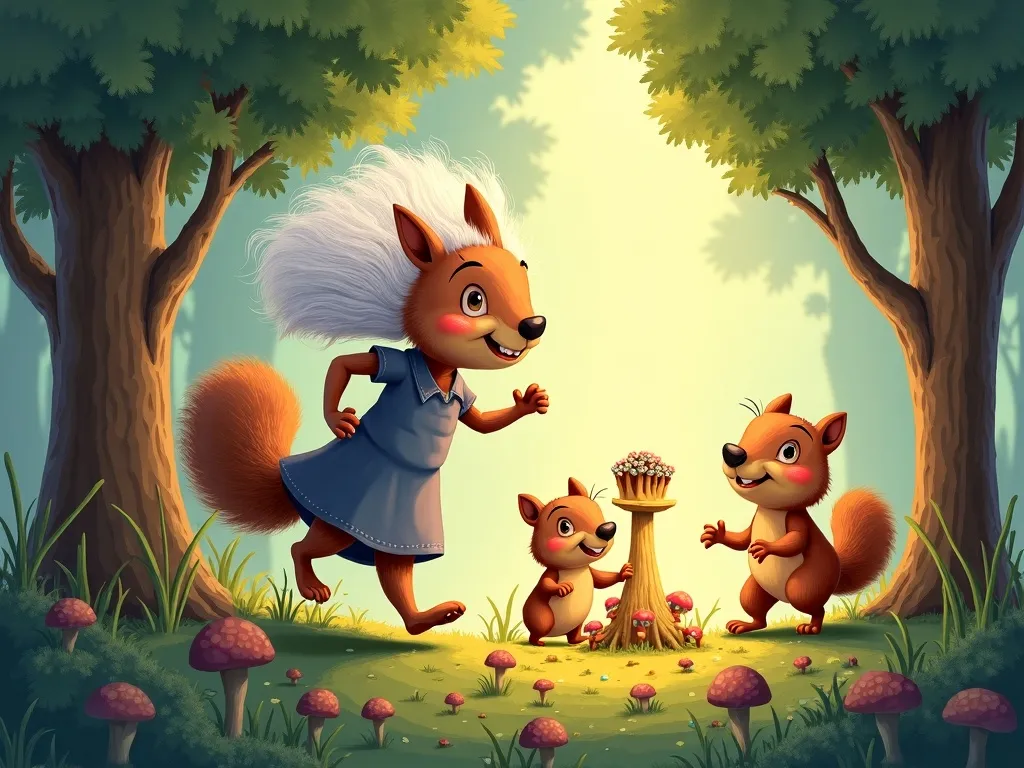
A young forest elf follows the whispers of a willow tree and meets creatures who need him to slow down, listen carefully, and notice more than his own ideas.
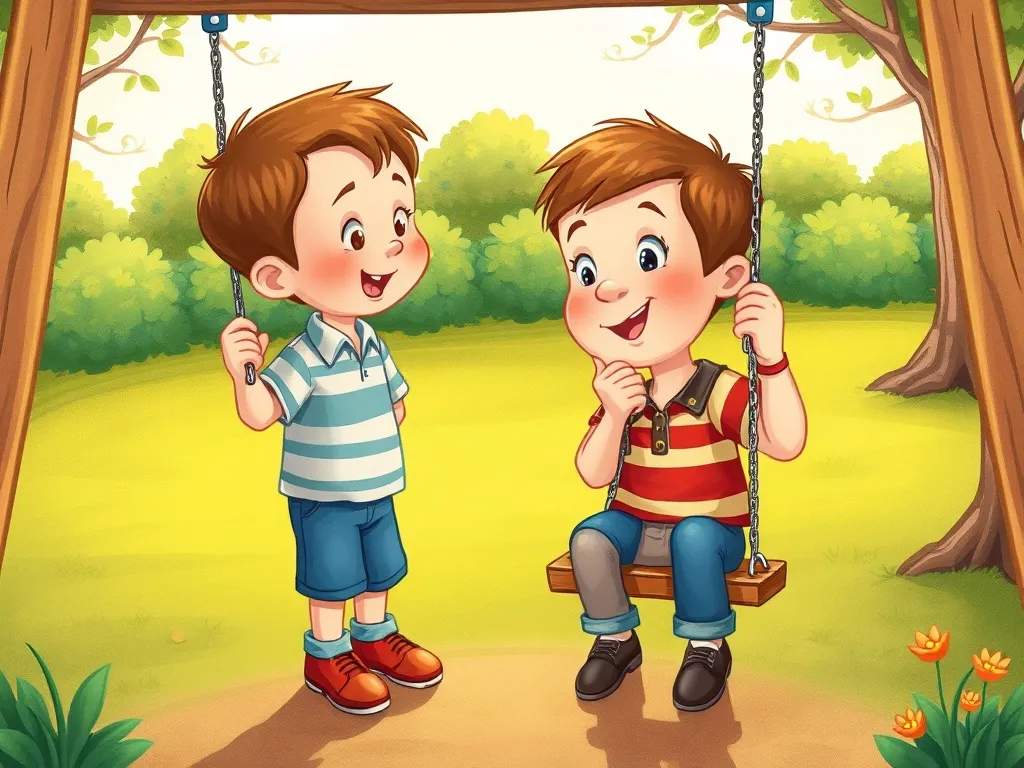
Tommy likes being the Playground Captain, but he learns that real leadership means making sure everyone feels welcome. After leaving Sarah out of a game, he finds the courage to apologize and make room for new ideas.
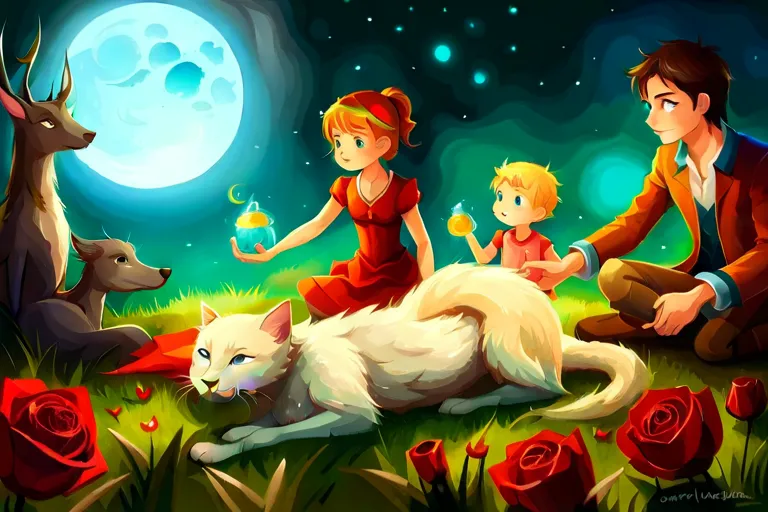
When pets begin disappearing from a friendly neighborhood, the children organize a Missing Pet Parade to bring everyone together. As they march through town, they follow clues, ask questions, and work as a team to find the animals.
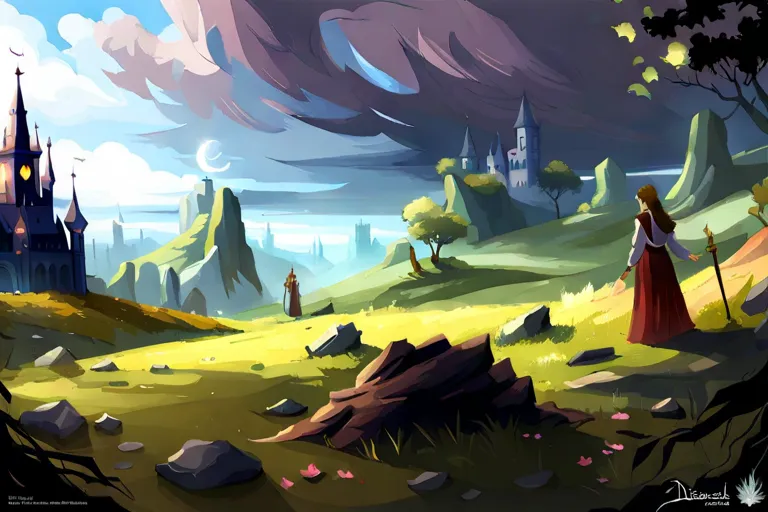
Children who love playing outside notice litter in their park, streets, and neighborhood paths. They form the Trash Cleanup Crew, learn about recycling, and invite neighbors to help make their community cleaner one small action at a time.
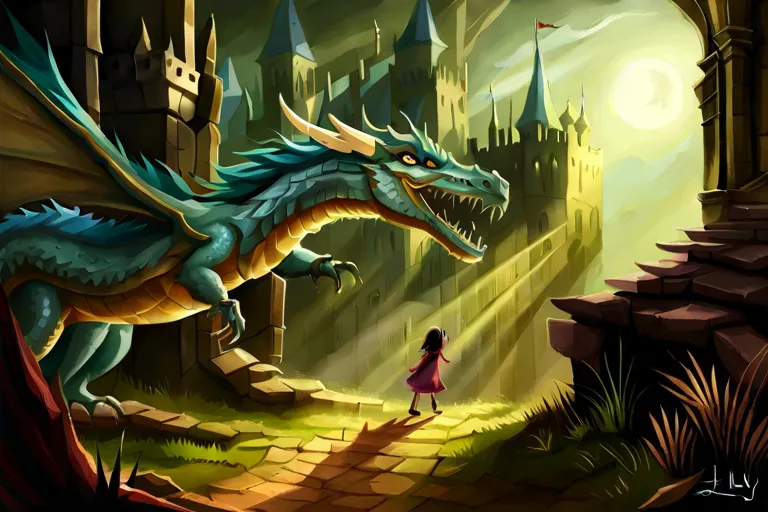
Jack and Lily are playing hide-and-seek in a castle maze when they discover a talking dragon who needs help finding Dragon Mountain. With Jack's map, Lily's patience, and a few careful introductions, they guide their new friend home and help the dragons understand one another.
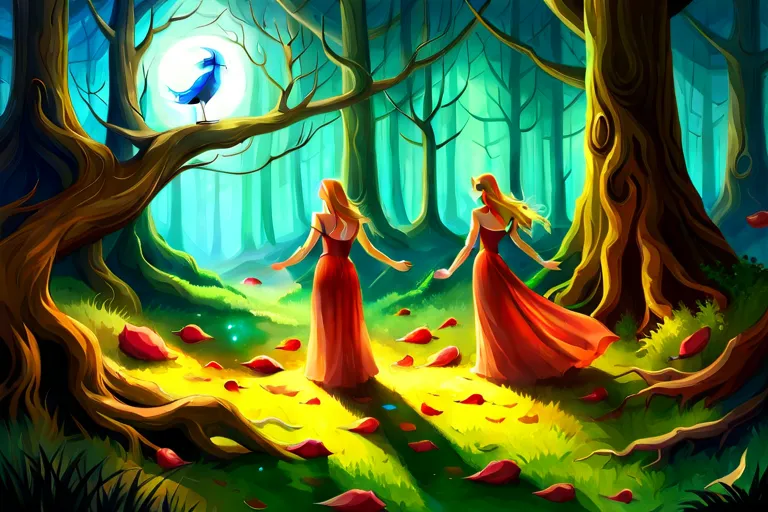
When forest animals learn that machines may clear part of their home, they gather allies, share each creature's strengths, and find a way to show the humans what lives among the trees. Their teamwork helps protect the forest and teaches everyone to care for shared places.
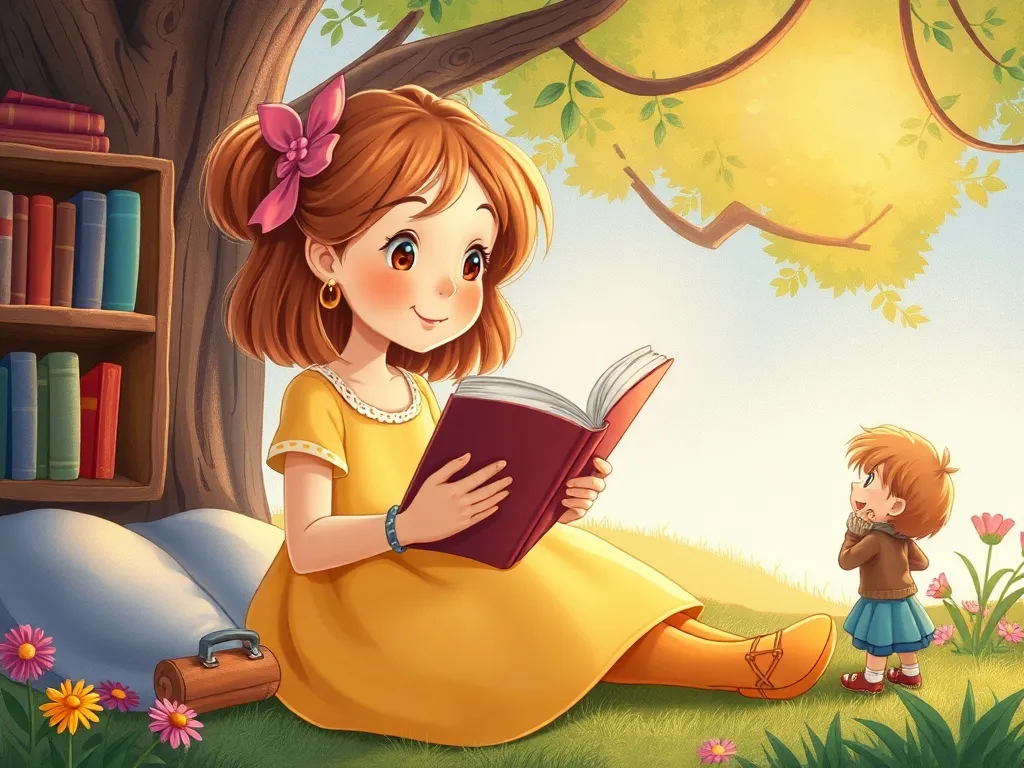
A shy bookworm discovers that her knowledge of rivers helps solve a magical playground mystery, leading to new friendships and adventures. The story combines fantasy elements with real emotional growth, showing how courage and sharing what we love can turn quiet moments into connection.

Once upon a time, in a great castle, there lived a noble family. They were kind and generous to all they met, but their youngest member felt left out. The child could not ride horses like their siblings or help with important tasks like their parents.

Jake learns that true bravery is not about being the loudest or strongest; it is about adapting to help others feel comfortable and included. Through his friendship with Oliver, a quiet boy who loves delicate things, Jake discovers that gentle strength can be as powerful as bold action, and that the best friends are those who learn each other's languages.
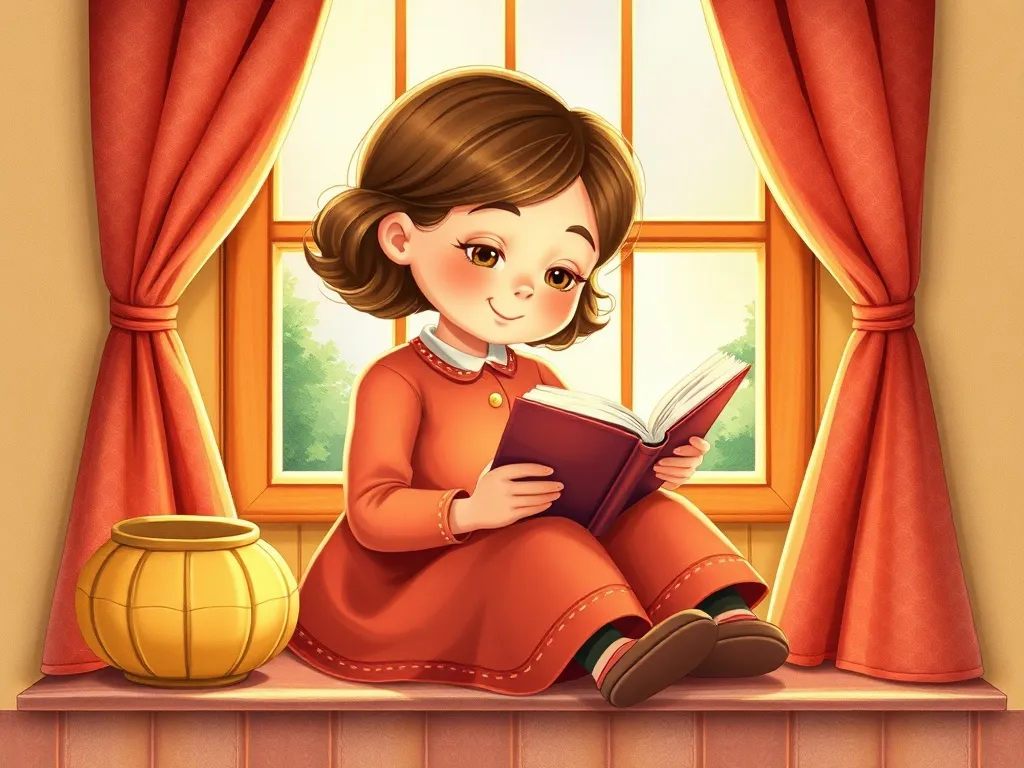
Lucy Wonderheart keeps many questions tucked inside until three magical encounters help her practice asking them aloud. Each small adventure builds her courage until she finally learns that the greatest treasures often hide behind the questions we feel nervous to ask.
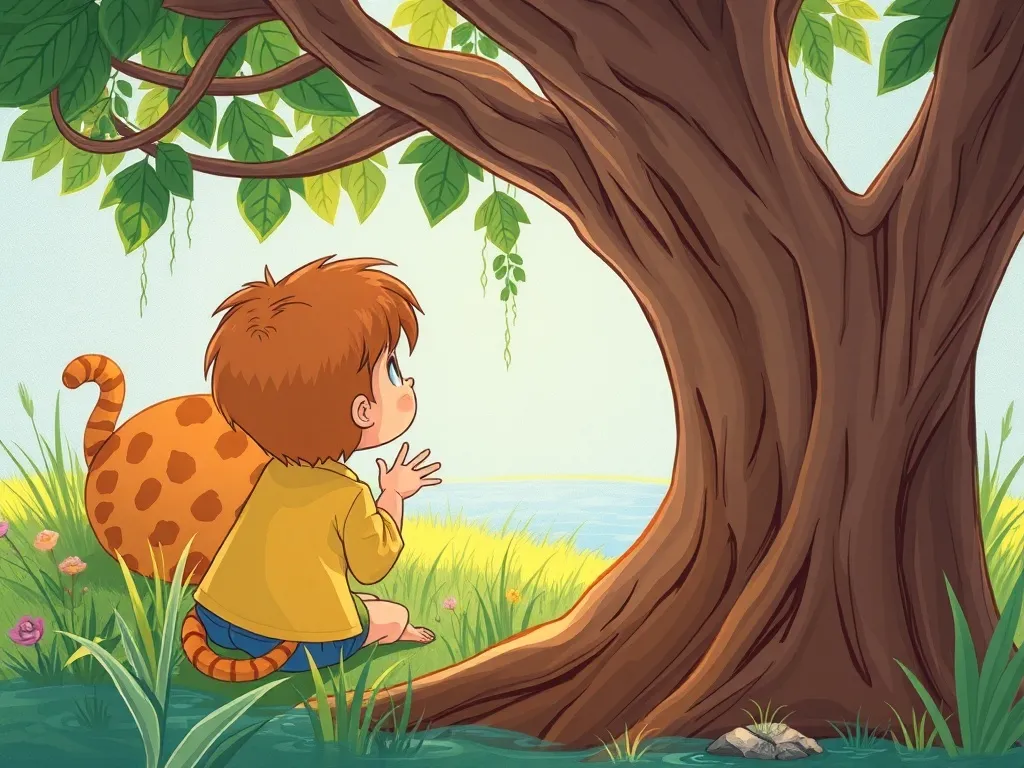
Oliver wants to understand the silver-blue swamp cats but feels nervous about asking questions. Luna and Sage show him how curiosity, care, and patient listening can bring two communities together.

Max and Mia were so excited to go to the city festival with their parents. There were food stalls, games, and music everywhere.
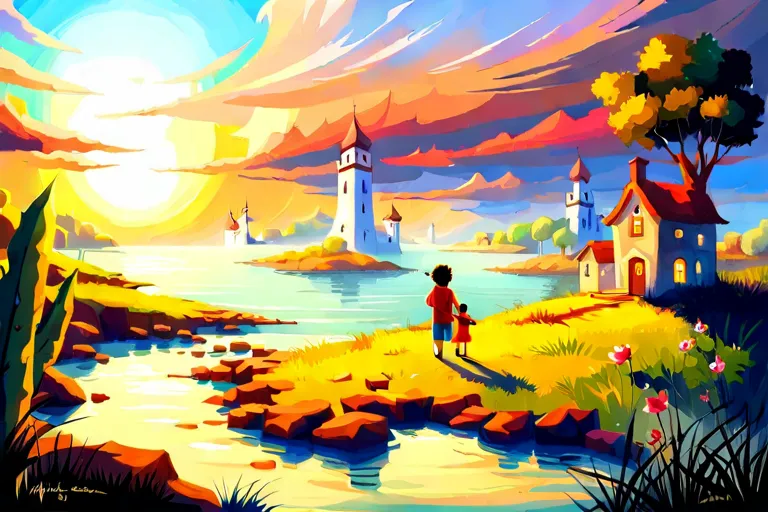
Max lives in a gray neighborhood and wants to bring color back to his community. With paintbrushes and imagination, he creates murals on blank walls and inspires neighbors to talk, plant gardens, and brighten their streets together.
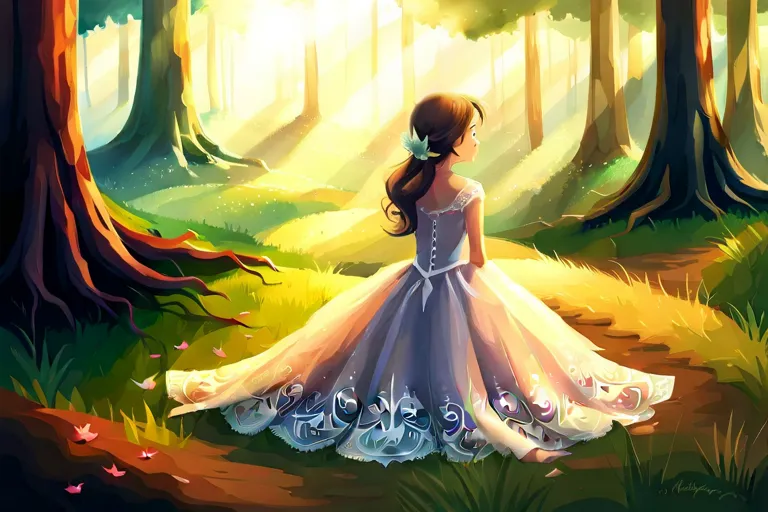
Lily loves to imagine. When a little bird tumbles from a branch, Lily runs to help and discovers a new kind of courage.

Luna carries her sketchbook into a hidden garden and meets Thaddeus, a gentle giant who tends flowers taller than trees. With his help, she plants her first rainbow seed and learns that making art can begin with muddy hands.
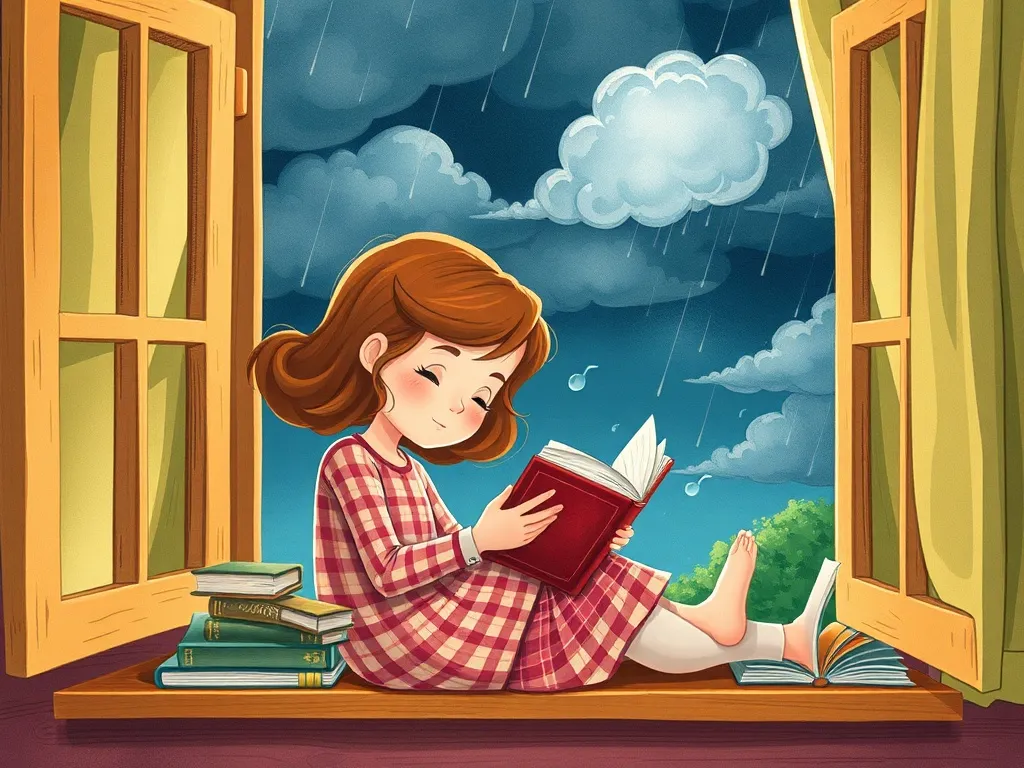
Emma loves quiet books, while Spark loves stormy skies. When their favorite ways to play clash, they build a shared storm-watching nook and discover how friendship can make room for different kinds of wonder.
While kindness stories focus on helpful actions and being nice to others, empathy stories specifically develop the ability to understand and share the feelings of others. These stories challenge middle readers to step into someone else's shoes, consider different perspectives, and recognize the complex emotions and motivations behind people's behavior. Empathy is the foundation that makes genuine kindness possible.
Absolutely! These stories are particularly beneficial for children who find social interactions challenging. By presenting relatable scenarios and showing characters working through perspective-taking, these narratives provide concrete examples of how to understand others' feelings and respond appropriately. Many parents and educators use these stories as gentle teaching tools for developing social-emotional skills.
Research shows that developing empathy is one of the most effective ways to prevent and reduce bullying. These stories help children understand how their actions affect others and recognize that everyone has their own struggles and feelings. By fostering perspective-taking skills, these narratives encourage children to treat others with greater compassion and consideration.