
Beach Tales3 minutes read
Beach Buddies Build
Carl the crab, Sammy the seagull, and Stella the starfish want to build a beach castle together. When their first plan gets messy, they pause, listen, and choose jobs that fit each friend.
Welcome to our collection of respect stories specially crafted for preschoolers ages 3 to 5. At this wonderful stage of development, young children are beginning to understand how their actions affect others and are ready to learn about treating people, animals, and their environment with care and consideration. Our respect stories use simple language, relatable characters, and engaging scenarios that help little ones grasp this important value in ways that resonate with their everyday experiences. Each story in this collection has been designed with the preschool mind in mind, featuring colorful imagery, repetitive phrases that aid comprehension, and situations your child might encounter at home, in preschool, or on the playground.
From learning to listen when others are speaking to understanding why we should be gentle with pets and take turns with toys, these stories introduce respect through concrete examples rather than abstract concepts. What makes these stories particularly valuable for this age group is their focus on emotional recognition and cause-and-effect relationships. Your preschooler will meet characters who learn that interrupting makes friends feel sad, that saying please and thank you makes others smile, and that taking care of belongings shows respect for what we have. Parents and teachers will appreciate how these stories naturally spark conversations about respectful behavior without feeling preachy or overwhelming.
The narratives are short enough to hold a preschooler's attention during circle time or bedtime, yet meaningful enough to reinforce positive social skills that will benefit children throughout their lives. Whether you're a parent looking to reinforce values at home, a preschool teacher building a respectful classroom community, or a caregiver seeking quality educational content, these stories provide the perfect foundation for teaching one of life's most essential lessons.

On her first beach trip, Lily meets other families through crafts, music, and a shared picnic table. With her parents nearby, she asks questions, tries new activities, and learns that respectful curiosity can make a beach day warmer.
Carl the crab, Sammy the seagull, and Stella the starfish want to build a beach castle together. When their first plan gets messy, they pause, listen, and choose jobs that fit each friend.

Ollie the otter follows the river to the place where fresh water meets the sea. With help from new estuary friends, he learns how fish, crabs, rocks, and eelgrass all share the same careful home.

Tilly the sea turtle explores near the shore and learns how beaches change at night. She watches trained turtle volunteers keep a safe distance from nests, guide people away from marked areas, and protect the beach with quiet care.

Sir Cedric notices that Castle Lanternwall works best when each group is heard. He spends a day learning from cooks, cleaners, musicians, dragons, and knights, then helps them face a storm together.

Princess Sofia loves the different voices and talents in her castle classroom. When older students tease her friends, she practices using a quiet but clear voice to stand beside them.

Prince Nico notices children standing in separate courtyard groups. He listens for what each child loves, then builds a party where everyone can try one another's games and skills.

Leo the lion, Ellie the elephant, Gigi the giraffe, and Mikey the monkey all love performing, but rehearsals turn noisy when each friend wants to be the star. A special fair show helps them discover how much stronger their acts become when they use their different talents together.

Niko comes from a family of trapeze artists, but he would rather design costumes than fly through the air. When his family prepares for a big show, Niko helps them see that color, care, and creativity can be as important to the circus as the highest leap.
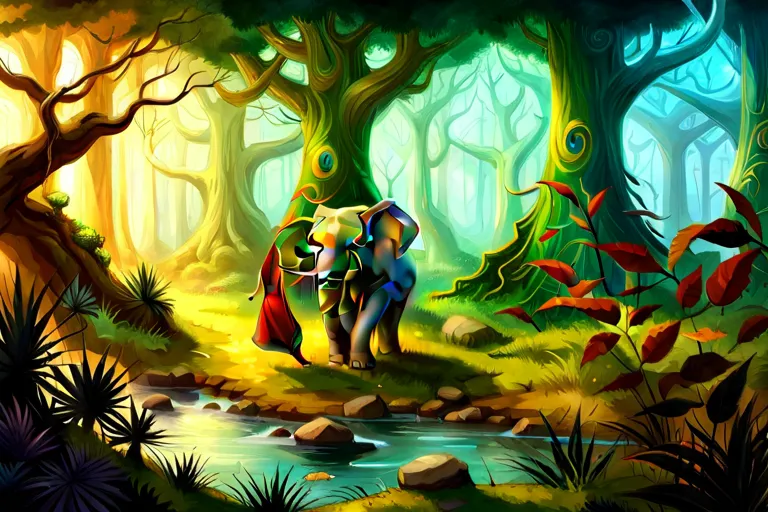
Ellie the elephant loves the jungle circus, but she keeps telling the other performers what to do. When rehearsals become messy and tense, Ollie the owl helps the animals notice each other's strengths.

A new family moves into an apartment building in the city. At first, some of the children feel shy because the newcomers speak another language and have different family traditions.

Sparkle loves making rainbows, while Thunder is still learning his weather magic. After a messy first meeting, they discover that rain and color can work beautifully together.

Bear, Rabbit, and Squirrel plan their first camping trip together. With careful choices and respect for the forest, they learn about wildlife, camp routines, and leaving nature as they found it.
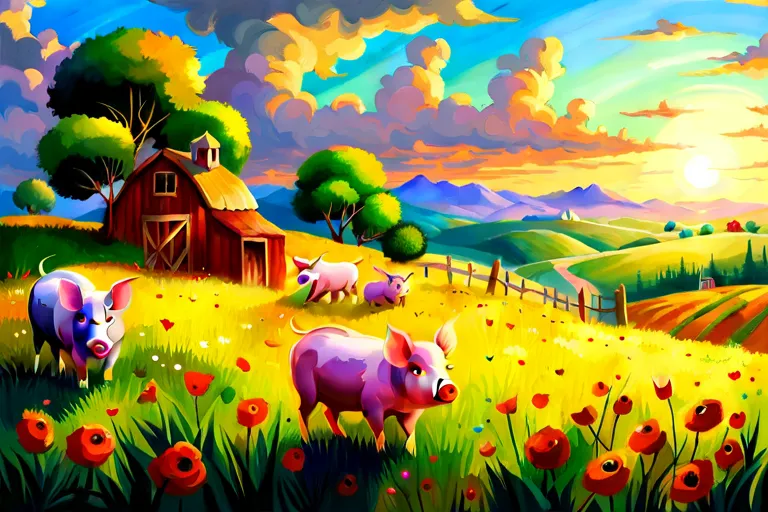
Four playful pigs love surprises until their games start upsetting their farm friends. After a serious talk and a broken teapot, the pigs learn to repair harm, ask before playing, and use their energy to help.

Curious farm animals visit farms in different places, meeting new friends who show them rice fields, wool shearing, music, food, and customs. When they return home, they bring back a better way to listen and learn from others.
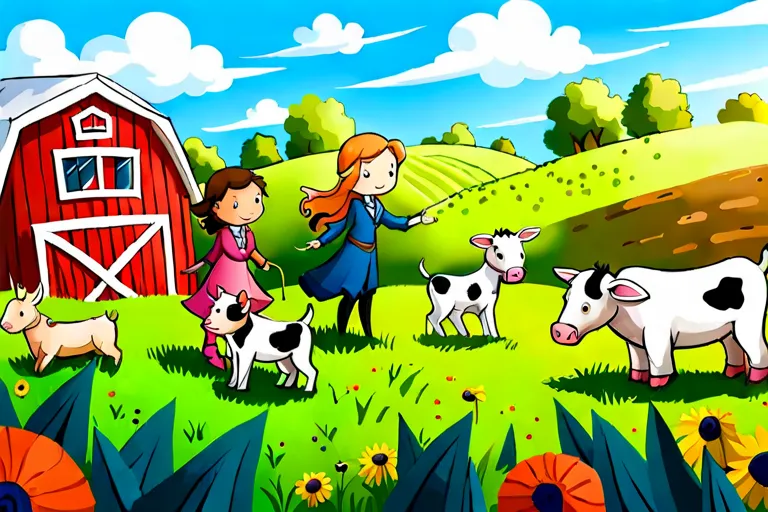
City kids visit a real farm for the first time and meet Bessie, a wise old cow who knows every field and crop. With Bessie's help, they discover how farm work brings food from the soil to the table.
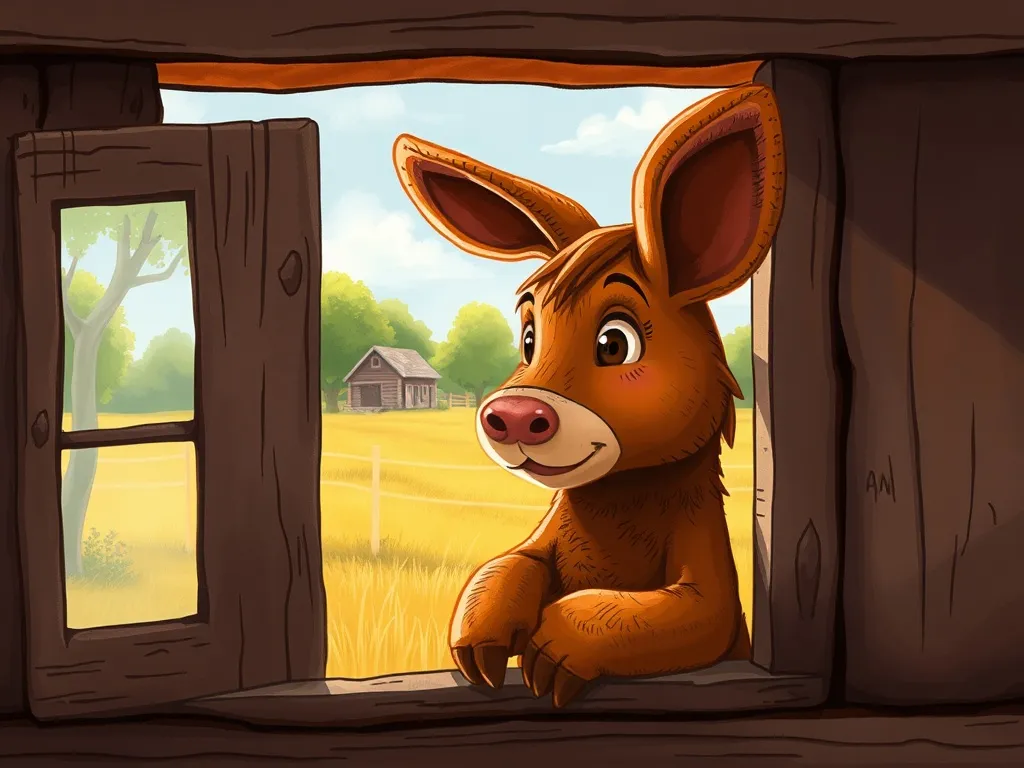
A farm-raised fox and a wandering peacock build an unlikely friendship. Courage, honesty, and taking time to truly know someone help them create a kinder farmyard.

Through three connected adventures, Thumper learns that his size and strength can be wonderful gifts when paired with patience and consideration for others. Each challenge helps him understand how to use his gifts more gently with his friends.

Henry the hedgehog and Clara the hermit crab learn that protective shells and spiky backs can still belong to gentle friends. With patience, apology, and a trail of beautiful shells, they help the beach creatures understand one another in a new way.
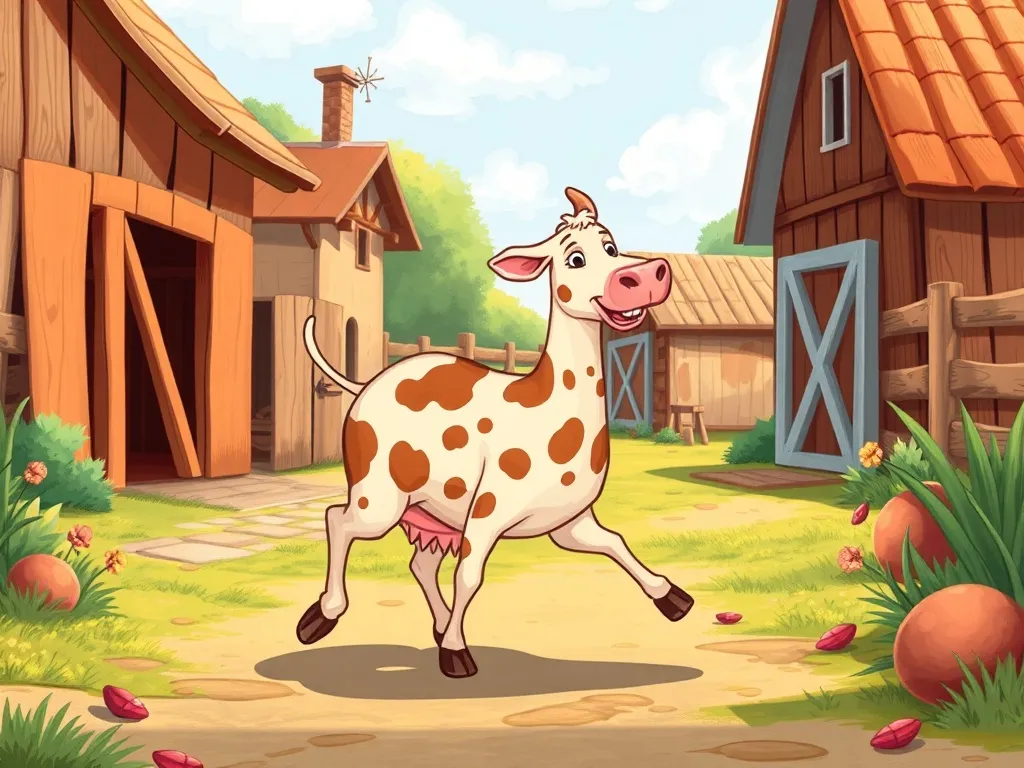
Penny the pig learns to slow down, listen, and treat the magical forest with care after she bends the fairy garden's crystal flowers. With help from Professor Hoot and the tiny garden fairies, she discovers that kindness is stronger than showing off.
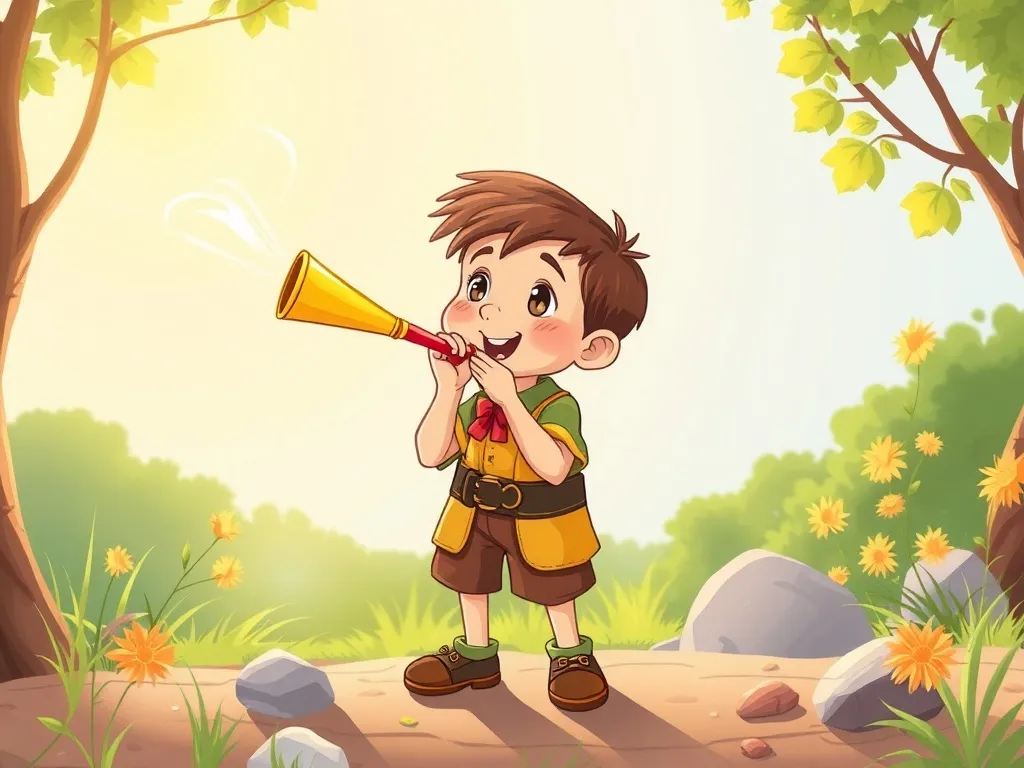
This unique tale blends traditional park experiences with magical responsibility, teaching children about accountability through enchanted elements. The story creates a special world where everyday spaces hold extraordinary magic, maintained through dedication and care.
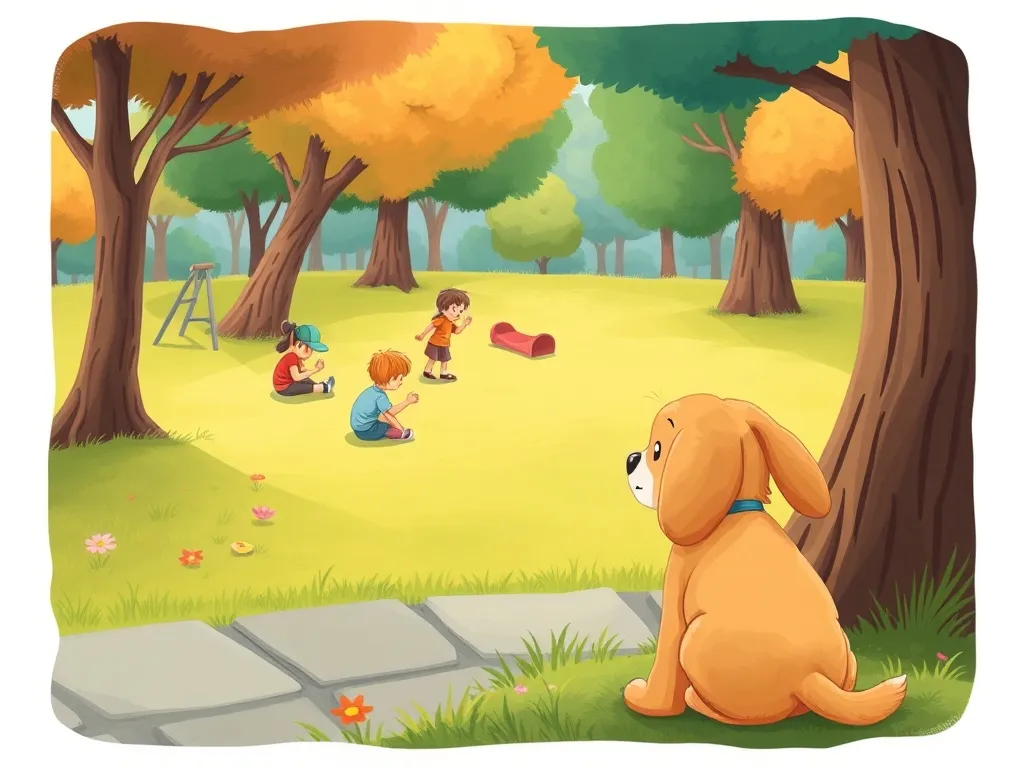
Scout, a playful puppy, wants new friends in Maple Grove Park. When he upsets Nutkin's careful acorn collection, he learns to notice what matters to others and repair a friendship with care.
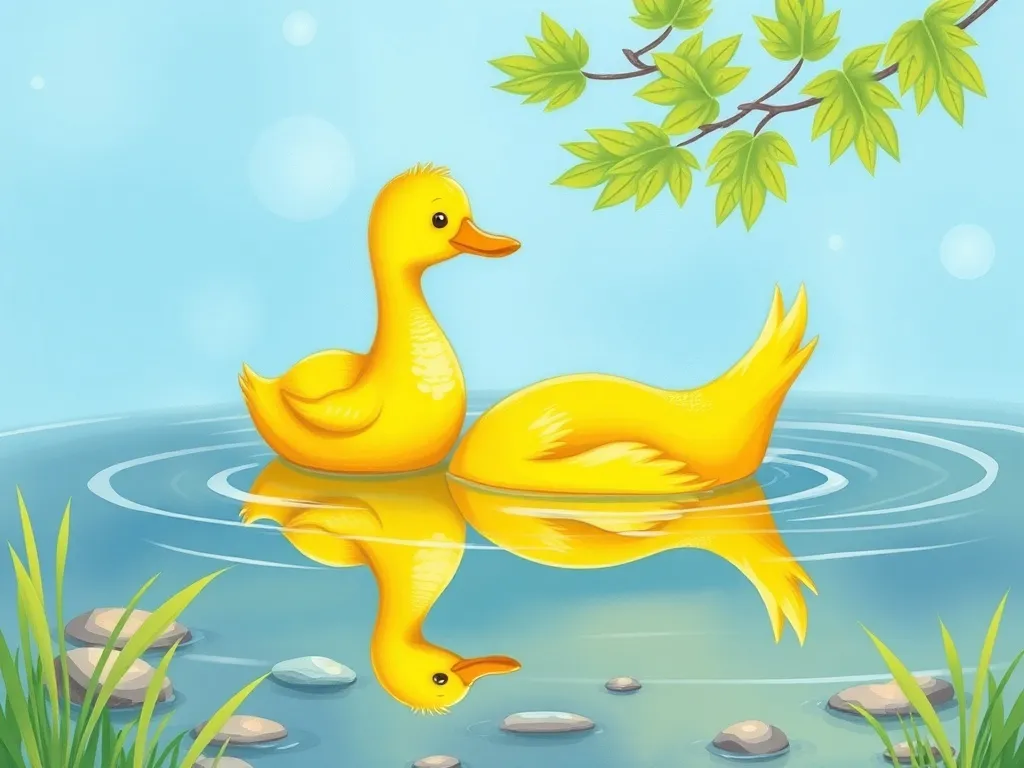
Waddles thinks pond friends must love water just as much as he does. Then he meets Shell, a turtle who prefers sunny land, and learns that friends can teach each other new ways to play.

Luna decorates tiny cakes until Thaddeus the giant asks for a birthday cake. With Mrs.
Preschoolers learn respect best through concrete examples rather than definitions. After reading these stories together, point out respectful actions in your daily life, like waiting your turn in line or using kind words. Practice role-playing scenarios from the stories to help your child connect the concept to their own behavior.
Yes, these stories are designed for the entire preschool age range from 3 to 5 years old. Younger preschoolers may need more discussion and repetition, while older ones might be ready to apply the lessons independently. You can revisit the same stories as your child grows and they'll gain deeper understanding each time.
Consistency helps reinforce important values, so reading these stories 2-3 times per week is ideal. You can also use them situationally when specific behaviors come up, like reading a story about listening before a playdate. Repetition helps preschoolers internalize the lessons and remember them when they need to make respectful choices.